
When an old dog suddenly stops eating, it can be alarming and emotionally stressful for any dog owner.
A sudden loss of appetite in senior dogs often signals an underlying physical, emotional, or medical issue that should never be ignored.
We explain reasons why an old dog may suddenly stop eating, what you can do at home, and when to contact your veterinarian.
Old Dog Stops Eating Suddenly: Why It Happens
An old dog suddenly stopping eating is most often caused by underlying illness, chronic pain, digestive problems, dental disease, emotional stress, or age-related organ changes that interfere with appetite and comfort.
As dogs age, their bodies become more sensitive to discomfort, inflammation, and internal imbalances, which can quickly affect their desire to eat.
Conditions affecting the mouth, stomach, liver, kidneys, or joints may all contribute to sudden appetite loss.
Emotional changes such as anxiety, confusion, or depression can also reduce interest in food. In many cases, multiple factors work together, making early evaluation essential.
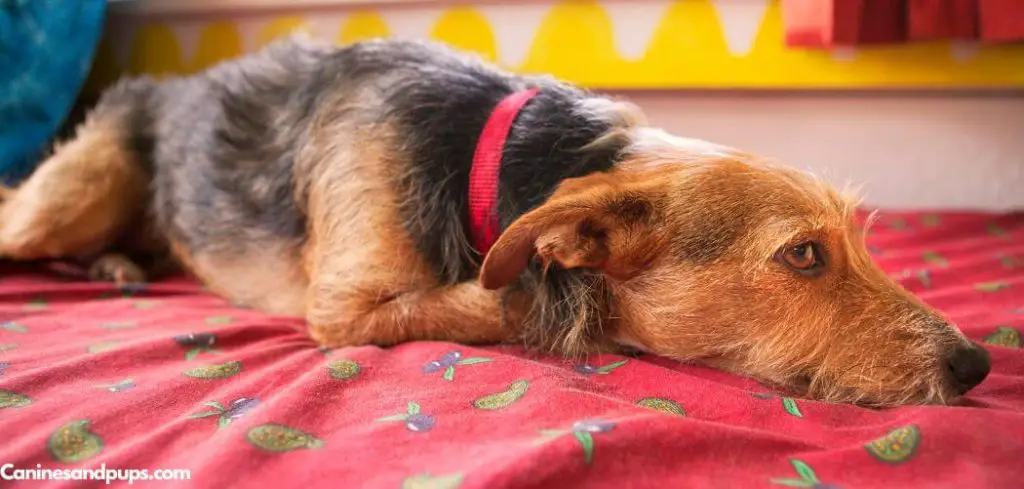
Old Dog Stops Eating Suddenly: Common Causes
Dental Disease and Oral Pain
Dental disease is one of the most common reasons an old dog stops eating suddenly. As dogs age, plaque buildup, gum infections, loose teeth, and tooth root abscesses become more likely. These conditions cause constant mouth pain that worsens when chewing.
A dog with dental pain may approach food but hesitate, drop kibble, chew on one side, or walk away after a few bites.
Some dogs begin favoring soft foods or refuse hard kibble altogether. Bad breath, drooling, swollen gums, or pawing at the mouth may also appear.
Because mouth pain makes eating uncomfortable, many dogs simply stop eating to avoid discomfort.
Left untreated, dental disease can spread bacteria into the bloodstream and affect the heart, liver, and kidneys.
Read more: Old Dog Picky Eater (Why it happens)
Chronic Pain and Arthritis
Arthritis and chronic joint pain are extremely common in senior dogs and often contribute to sudden appetite loss.
Pain makes daily activities tiring and uncomfortable, including walking to the food bowl, standing for meals, or maintaining proper posture while eating.
Dogs with joint pain may appear stiff, reluctant to move, slow to rise, or hesitant to bend their neck or back. Over time, constant discomfort can suppress appetite and reduce motivation to eat.
Chronic pain also increases stress hormones in the body, which directly interfere with digestion and hunger signals. When pain is unmanaged, appetite loss often becomes persistent.
Kidney Disease and Liver Disease
Age-related kidney and liver disease frequently cause sudden appetite loss in older dogs. These organs play critical roles in filtering toxins and regulating metabolism. When they begin to fail, waste products accumulate in the bloodstream.
This buildup causes nausea, weakness, mouth ulcers, and a metallic taste that makes food unappealing. Dogs may drink more water, urinate frequently, lose weight, or seem generally unwell.
In advanced cases, dogs may develop vomiting, bad breath, dehydration, and lethargy.
Appetite loss is often one of the earliest warning signs of organ dysfunction and should always be taken seriously.
Gastrointestinal Disorders and Digestive Upset
Digestive problems are another major reason senior dogs stop eating suddenly. Inflammatory bowel disease, gastritis, pancreatitis, intestinal infections, and food sensitivities can all disrupt normal digestion.
When the stomach or intestines are inflamed, dogs experience nausea, abdominal discomfort, bloating, and cramping. This makes eating feel unpleasant or even painful.
You may notice vomiting, diarrhea, excessive gas, lip-smacking, grass-eating, or restlessness. Some dogs become picky, sniff food and walk away, or refuse meals entirely.
Untreated gastrointestinal issues can quickly lead to dehydration, electrolyte imbalances, and worsening weakness.
Cognitive Dysfunction and Emotional Changes
Canine cognitive dysfunction, often compared to dementia in humans, commonly affects older dogs and can interfere with normal eating behavior. As brain function declines, dogs may become confused, anxious, or disoriented.
Affected dogs may forget mealtimes, fail to recognize food bowls, wander aimlessly, or show altered sleep patterns. Anxiety and depression may also develop, reducing interest in food.
Major life changes such as moving homes, losing a companion, new pets, or schedule changes can worsen emotional stress in senior dogs. Emotional distress often suppresses appetite, especially in sensitive or aging dogs.
Cancer and Systemic Illness
Cancer is unfortunately more common in older dogs and is a serious cause of sudden appetite loss. Tumors in the digestive tract, liver, spleen, lungs, or lymph nodes can disrupt metabolism and cause chronic inflammation.
Cancer causes fatigue, nausea, pain, and hormonal changes that reduce hunger. Dogs may lose weight rapidly, become weak, and show reduced interest in normal activities.
Other systemic illnesses such as heart disease, endocrine disorders, and autoimmune conditions can also interfere with appetite by limiting oxygen delivery, altering metabolism, or causing chronic inflammation.
Any unexplained, persistent appetite loss in a senior dog should be medically investigated.
Read more: Old Dog Vomiting and Diarrhea (Warning signs to watch)
Old Dog Stops Eating Suddenly: What to Do
If your old dog has stopped eating suddenly, start by creating a calm, low-stress feeding environment. Make sure your dog’s feeding area is quiet, familiar, and free from loud noises or competition with other pets.
Offer soft, easy-to-chew foods such as warmed canned dog food, moistened kibble, or veterinarian-approved bland diets. Warming food slightly can enhance smell and improve interest in eating.
Encourage gentle movement and comfort by providing soft bedding, easy access to food and water, and assistance with mobility if needed. Reducing physical strain can improve appetite.
Monitor your dog’s water intake closely. Even if food intake is low, hydration is essential. Offer fresh water frequently and consider ice cubes or broth if approved by your vet.
Keep a daily record of eating habits, energy level, bathroom habits, and behavior changes. This information will be extremely valuable for your veterinarian.
Avoid forcing food, offering excessive treats, or constantly changing diets without guidance, as this can worsen picky behavior and digestive upset.
When to Call or Visit Your Vet
Contact your veterinarian immediately if your old dog refuses food for more than 24 hours, especially if appetite loss appears suddenly.
Seek urgent care if appetite loss is accompanied by vomiting, diarrhea, weakness, collapse, labored breathing, fever, or dehydration. These signs may indicate serious systemic illness.
Call your vet if your dog is losing weight rapidly, showing signs of pain, hiding, or withdrawing socially. These behaviors often reflect significant medical problems.
Immediate veterinary care is needed if your dog has difficulty swallowing, drooling excessively, bleeding from the mouth, or severe bad breath, as this may indicate dental infection or tumors.
If your dog has known kidney disease, liver disease, diabetes, or heart disease, any appetite change should be evaluated promptly.
Early diagnosis dramatically improves treatment success in senior dogs.
Related: Old Dog Constant Diarrhea (Is it serious?)
Old Dog Stops Eating Suddenly: Treatment
Veterinary treatment for an older dog that suddenly stops eating focuses on rapid assessment and supportive care, since appetite loss in seniors often signals an underlying medical problem.
A veterinarian will perform a thorough physical exam and typically run blood tests, urinalysis, and possibly X-rays or ultrasound to check for organ disease (kidney, liver), infection, pancreatitis, dental pain, gastrointestinal issues, or cancer.
Treatment may include IV or subcutaneous fluids, anti-nausea medications, pain relief, and appetite stimulants to stabilize the dog while the cause is addressed.
Depending on findings, additional treatments such as antibiotics, stomach protectants, dietary therapy, dental care, or hospitalization may be required.
Immediate veterinary care is important, as sudden appetite loss in senior dogs can quickly lead to weakness and dehydration.
Key Takeaway
When an old dog stops eating suddenly, it is rarely “just old age.” In most cases, appetite loss reflects pain, illness, emotional distress, or internal organ changes that require attention.
While supportive care at home can help in mild cases, ongoing refusal to eat should always be evaluated by a veterinarian. Senior dogs depend on early intervention to maintain comfort, strength, and quality of life.
By paying close attention to changes in appetite and acting quickly, you give your aging companion the best chance at continued health and well-being.