
As dogs age, their bodies go through many visible and invisible changes. One of the most noticeable shifts often appears in the skin and coat. Skin problems are extremely common in senior dogs, and while some changes are mild, others can signal underlying health concerns that require prompt attention.
Dryness, itching, hair loss, lumps, discoloration, infections, and persistent scratching are not simply “normal aging.”
In this comprehensive guide, we will outline why skin issues become more common in senior dogs, the most frequent causes, warning signs to watch for, available treatments, and practical steps you can take to support your aging companion’s comfort and overall health.
Why Skin Problems Increase in Senior Dogs
A dog’s skin is its largest organ and serves as a protective barrier. As dogs age, that barrier becomes thinner and less resilient. Oil production may decrease, making the skin drier and more prone to irritation.
At the same time, immune function weakens. This makes older dogs more susceptible to bacterial and fungal infections. Hormonal changes can also disrupt normal hair growth cycles.
Old dog skin problems often appear gradually. You may first notice mild dryness or increased shedding before more visible symptoms develop.
Recognizing early signs helps prevent more serious complications.
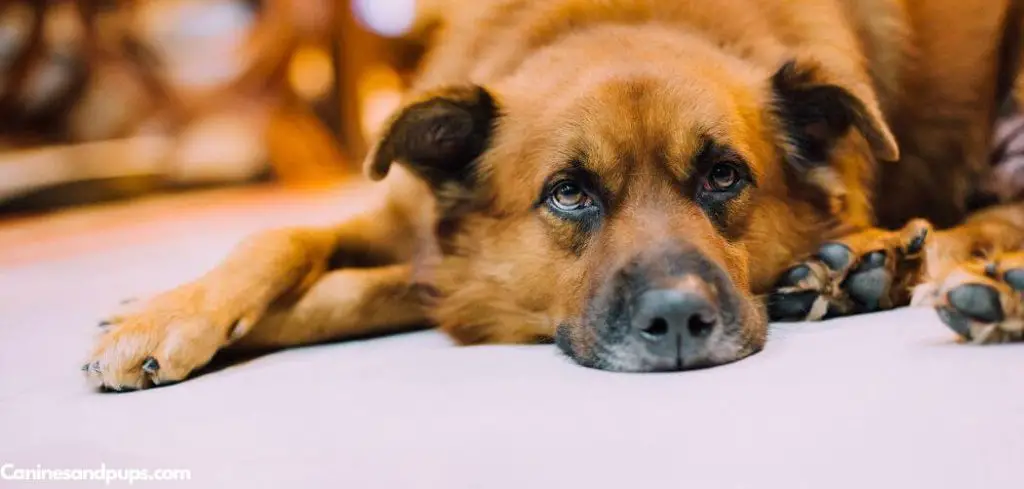
Common Symptoms of Old Dog Skin Problems
Skin conditions in senior dogs can present in many ways. Persistent itching is one of the most common signs. You may also notice flaking, redness, thinning hair, bald patches, scabs, thickened skin, or unusual odors.
Some dogs develop darkened patches or raised bumps. Others experience chronic ear infections alongside skin irritation.
Skin problems can also affect behavior. Dogs experiencing discomfort may become restless, irritable, or less active.
Paying attention to subtle changes makes early intervention possible.
Common Causes of Old Dog Skin Problems
Allergies and Chronic Inflammation
Allergies are one of the leading causes of old dog skin problems. Senior dogs can develop new sensitivities to environmental triggers such as pollen, dust mites, mold, or even cleaning products.
Food allergies may also develop later in life. Chronic exposure to allergens leads to inflammation, itching, and skin barrier breakdown.
Over time, excessive scratching damages the skin and allows bacteria or yeast to multiply. This creates a cycle of irritation and infection.
Allergic skin disease often requires long-term management rather than a simple cure. Identifying triggers through elimination diets or allergy testing can significantly improve comfort.
Related: Old dog losing hair (Common causes explained)
Hormonal Imbalances
Endocrine disorders are more common in senior dogs. Conditions such as hypothyroidism and Cushing’s disease frequently contribute to Senior dog skin problems.
Hypothyroidism slows metabolism and affects hair growth. Dogs may develop thinning fur, symmetrical hair loss, dry skin, and recurrent infections.
Cushing’s disease causes excess cortisol production, leading to fragile skin, thinning hair, and slow healing.
Blood testing is essential for diagnosis. Fortunately, many hormonal disorders are manageable with medication.
Bacterial and Yeast Infections
As immune defenses weaken with age, infections become more common. Old dog skin problems related to infection often include redness, odor, discharge, and thickened skin. Yeast infections may cause greasy patches and persistent itching.
Bacterial infections frequently develop secondary to allergies or scratching.
Veterinary diagnosis through skin testing ensures proper antibiotic or antifungal treatment. Prompt treatment prevents spreading and chronic discomfort.
Parasites
Fleas, mites, and other parasites remain a concern for older dogs. Even a single flea bite can trigger intense itching in sensitive dogs. Mange caused by mites may result in patchy hair loss and inflamed skin.
Skin problems linked to parasites often worsen quickly if untreated. Year-round parasite prevention is essential for senior dog health.
Dry Skin and Reduced Oil Production
Aging skin naturally produces less oil. This leads to dryness, flaking, and dull coat appearance.
Skin problems related to dryness may seem mild at first but can escalate if skin cracks or becomes irritated.
Environmental factors such as low humidity and frequent bathing can worsen dryness.
Moisturizing shampoos and omega fatty acid supplements often improve skin hydration.
Autoimmune Skin Disorders
Although less common, autoimmune diseases can appear in senior dogs.
These disorders cause the immune system to attack healthy skin cells, leading to sores, crusting, or ulceration.
Old dog skin problems of autoimmune origin require specialized testing and long-term management.
Early detection improves outcomes.
Skin Tumors and Growths
As dogs age, lumps and growths become more common. This may include benign lipomas, cysts, or malignant tumors such as mast cell tumors.
Any new lump should be evaluated by a veterinarian. Early diagnosis significantly improves treatment success.
Read more: Old dog lumps on skin (Why it happens)
Nutritional Deficiencies
Senior dogs may absorb nutrients less efficiently. Poor-quality diets or underlying digestive disorders can contribute to skin problems.
Protein, zinc, and essential fatty acids play critical roles in skin health. Balanced nutrition supports repair and resilience.
Chronic Stress
Stress affects the immune system and skin barrier. Senior dogs experiencing anxiety or cognitive decline may lick or chew excessively, causing secondary skin damage.
Skin problems sometimes reflect behavioral stress rather than primary dermatological disease. Addressing emotional health supports overall skin recovery.
When Should You Be Concerned?
Seek veterinary evaluation if:
Skin becomes red, swollen, or oozing.
Hair loss spreads rapidly.
Your dog seems lethargic.
There are persistent ear infections.
New lumps appear.
Itching interferes with sleep.
Sudden or severe Old Dog Skin Problems should never be ignored.
Diagnosis of Old Skin Conditions
Veterinary diagnosis begins with a thorough physical exam and detailed history.
Skin scrapings identify parasites. Cytology tests detect bacterial or yeast overgrowth. Blood tests assess hormonal health.
In some cases, biopsies may be required. Accurate diagnosis ensures targeted treatment.
Treatment Options for Old Dog Skin Problems
Treatment depends on the underlying cause. Allergies may require medication and dietary changes. Hormonal imbalances require long-term prescription management.
Infections are treated with antibiotics or antifungal medications. Parasite infestations require topical or oral treatments.
Supportive skin care, including medicated shampoos and omega supplements, enhances recovery. Early treatment prevents chronic issues.
How to Support Your Senior Dog’s Skin at Home
- Maintain a consistent grooming routine using gentle, moisturizing shampoos.
- Avoid over-bathing, which strips natural oils.
- Provide balanced nutrition rich in essential fatty acids.
- Keep bedding clean and dry to reduce irritation.
- Monitor for new lumps or changes regularly.
- Routine veterinary checkups help detect problems early.
The Emotional Impact on Dog Owners
Skin problems in older dogs can be frustrating and worrisome. Watching your dog scratch or lose hair can feel overwhelming.
Remember that many skin conditions are manageable with proper diagnosis and care. Your attentiveness plays a vital role in your dog’s comfort.
Related: Old dog smells bad (Here’s why)
Key Takeaway
Old dog skin problems are common but should never be dismissed as simple aging. Allergies, infections, hormonal disorders, parasites, and tumors all become more likely in senior dogs.
Careful observation, early veterinary evaluation, and consistent home care make a significant difference.
With proactive management and compassionate support, your senior dog can enjoy healthy skin, improved comfort, and a better quality of life throughout their golden years.