
There’s something that stops you in your tracks — your senior dog sitting perfectly still, staring into a corner, at a wall, or straight at you with an intensity that feels different from their usual gaze.
It’s one of those behaviors that’s easy to dismiss the first time it happens, but when it keeps happening, you start to wonder.
If your old dog sits and stares more than they used to, you’re right to pay attention.
This behavior can mean several different things, ranging from a sweet moment of connection to an early signal that something is changing in their health. Understanding what’s behind it can help you respond in the right way.
Table of Contents
Old Dog Sits and Stares: What It Means
Staring in dogs is a form of communication. Dogs don’t have the vocabulary we do, so they use their eyes, their posture, and their stillness to express what they can’t say. For senior dogs in particular, sitting and staring can carry a lot of meaning depending on the context.
An older dog’s world is shaped by their senses, their routine, and their relationship with you. As those things shift with age, staring can become more frequent and more varied in what it represents.
The key is learning to read the full picture — what they’re staring at, how their body looks when they do it, and whether anything else has changed alongside this behavior.
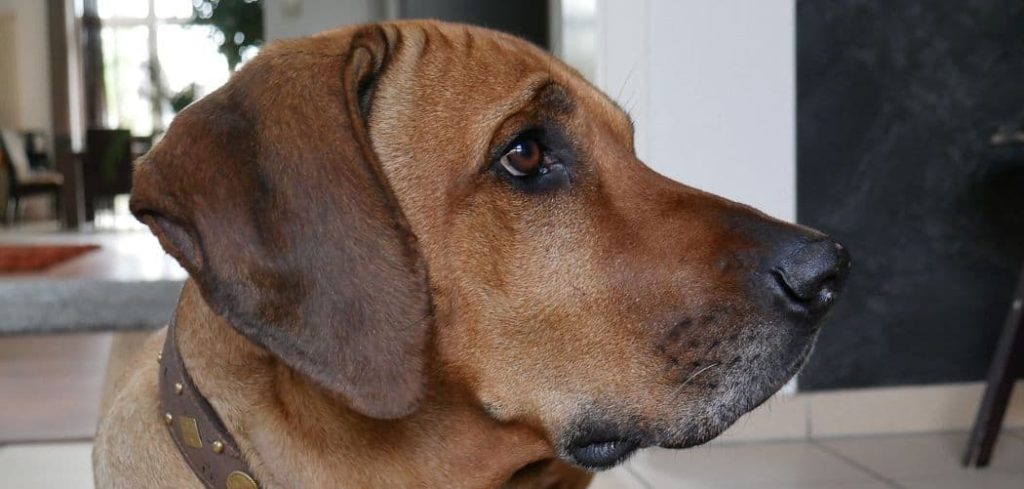
Common Causes of Staring in Senior Dogs
They Are Communicating With You
One of the most common reasons an old dog sits and stares directly at you is simply that they want something — or want to tell you something.
Dogs are remarkably skilled at using eye contact to get their owner’s attention. Your senior dog may be asking for food, water, a bathroom trip, or just your company.
Older dogs often become more communicative with their owners as they age, not less. If your dog is staring at you with an alert, expectant expression and a relaxed body, they are most likely trying to start a conversation.
It is worth running through the basics — when did they last eat, drink, or go outside?
Canine Cognitive Dysfunction Syndrome
One of the most significant reasons an older dog sits and stares — particularly at walls, corners, or into empty space — is canine cognitive dysfunction syndrome, often called dog dementia.
This condition affects a notable portion of dogs over the age of eleven and is caused by changes in the brain that parallel those seen in human Alzheimer’s disease.
A dog experiencing cognitive decline may appear to stare blankly, seem confused or disoriented, lose track of where they are in a familiar space, or get stuck in corners as though they cannot figure out how to turn around.
The staring often has a vacant quality to it — their eyes are open but they don’t seem fully present.
If you notice this kind of staring, especially when paired with disrupted sleep, changes in personality, or decreased interest in things they once loved, cognitive dysfunction is worth discussing with your vet as a priority.
Read more: Old Dog Syndrome (Signs, causes and treatment)
Vision Changes and Partial Blindness
Senior dogs frequently experience a gradual decline in their eyesight, and in some cases develop conditions like cataracts, glaucoma, or progressive retinal atrophy.
A dog who is losing their vision may sit and stare in ways that look unusual — appearing to fix their gaze on something that isn’t there, or staring in the direction of movement or sound they cannot quite make out.
You may also notice them bumping into furniture, being reluctant to move in low light, or startling more easily than before.
If your dog’s staring seems to be directed at things that aren’t there, or if their eyes look cloudy or different than usual, a vision check with your vet is a sensible next step.
Pain or Physical Discomfort
Dogs in pain often become still and quiet. When a senior dog is hurting — whether from arthritis, an internal issue, or another source of discomfort — they may sit and stare as a way of withdrawing from their environment.
The staring in these cases is less communicative and more vacant, a kind of inward focus that signals the dog is not fully engaged with the world around them.
Watch for other signs alongside the staring: reluctance to move, changes in posture, a tucked tail, decreased appetite, or flinching when touched in certain areas.
Any of these paired with frequent staring suggests your dog may be dealing with pain that deserves veterinary attention.
Hearing Loss
Age-related hearing loss is very common in senior dogs and can show up in ways that look like staring or zoning out.
A dog who can no longer hear as clearly may seem more disoriented or unresponsive, sitting still and staring because they have lost one of the key ways they used to make sense of the world around them.
You might notice they no longer respond to their name being called, or that they startle easily when approached from behind because they didn’t hear you coming.
If this sounds familiar, your vet can help assess your dog’s hearing and advise on how to adjust your communication and home environment to support them.
Focal Seizures
This is a less common but important cause to be aware of. Focal seizures — sometimes called partial seizures — affect only one part of the brain and can produce unusual staring episodes in dogs.
Unlike a full seizure, a focal seizure may look like nothing more than a dog sitting very still, staring blankly, with subtle twitching of the face or repetitive chewing motions.
These episodes typically last for a short time and the dog may seem confused or disoriented afterward.
If your dog’s staring episodes seem sudden, involuntary, and follow a recognizable pattern, or if they are accompanied by any unusual facial movements, contact your vet. Focal seizures are manageable with proper diagnosis and treatment.
Read more: Old Dog Seizures (Signs, causes and treatment)
Anxiety or Emotional Distress
Senior dogs can experience anxiety and emotional distress just as younger dogs do, and sometimes more acutely.
Changes in the household, the loss of a companion animal, shifts in your routine, or even the subtle disorientation that comes with aging can all contribute to a dog who seems withdrawn, watchful, and prone to sitting and staring.
This kind of staring often has an unsettled quality — the dog may seem on edge, may be panting lightly, or may move between staring at you and staring into space.
If your dog has been through a significant change recently and this behavior appeared around that time, emotional distress may well be the explanation.
What To Do If Your Old Dog Sits And Stares
The most helpful thing you can do is observe carefully and take note of the details. When does the staring happen — at a particular time of day, in a specific location, or triggered by something? How long does it last?
What does your dog’s body look like when they do it — tense or relaxed, alert or vacant? Has anything else changed in their behavior, appetite, or mobility?
Writing these observations down before a vet visit gives your veterinarian much more to work with and can significantly speed up getting to the right answer.
In the meantime, support your dog practically. Make sure their basic needs are met consistently — regular feeding times, bathroom breaks, gentle exercise, and plenty of quiet companionship. Senior dogs thrive on routine and find comfort in knowing what to expect.
If your dog stares at you often, lean into that connection. Responding warmly to their gaze — talking to them gently, sitting with them, giving them a slow stroke — reinforces the bond and reassures a dog who may be feeling less certain of themselves than they once did.
When To Call Your Vet
Schedule a veterinary appointment if your old dog’s staring is new or has become more frequent, if the staring has a blank or vacant quality rather than a communicative one, or if it is accompanied by any of the following.
Confusion or disorientation in familiar spaces. Getting stuck in corners or against walls.
Changes in sleep patterns, particularly nighttime restlessness. Reduced interest in food, play, or social interaction.
Signs of pain such as stiffness, reluctance to move, or sensitivity to touch. Episodes that seem involuntary, sudden, or follow a repeating pattern. Cloudy eyes or any visible change in their eyes.
Any sudden, dramatic change in behavior always warrants a prompt call to your vet.
The Bottom Line
An old dog sitting and staring is rarely doing nothing. They are communicating, processing, or simply navigating the changes that come with age in the best way they know how.
Most of the time, it is a behavior rooted in connection, confusion, or comfort-seeking — and all of those things are manageable with the right support.
What matters most is that you keep paying attention. You noticed the staring, you asked the question, and you’re here looking for answers. That kind of attentiveness is exactly what a senior dog needs from the person who loves them most.
Stay curious about what your dog is trying to tell you. Stay consistent with their care. And when something doesn’t feel right, trust yourself enough to make that vet call.


