
When you notice sudden neurological changes in your senior dog, you may fear the worst. An old dog showing signs of stroke can appear disoriented, weak, off-balance, or unable to stand. These symptoms often come on suddenly and can be extremely frightening to witness.
While strokes are less common in dogs than in humans, they do happen—especially in older dogs with underlying health conditions. The key is recognizing the warning signs quickly and seeking prompt veterinary care.
In this guide, we explain what a stroke looks like in senior dogs, what causes it, how it’s diagnosed, and what recovery may involve.
Table of Contents
What Is A Stroke In Dogs?
A stroke, also called a cerebrovascular accident (CVA), occurs when blood flow to part of the brain is interrupted. This can happen in two main ways:
An ischemic stroke occurs when a blood clot blocks a vessel supplying the brain.
A hemorrhagic stroke occurs when a blood vessel ruptures, causing bleeding within the brain.
In both cases, brain cells are deprived of oxygen and nutrients. Because the brain controls balance, coordination, and awareness, even small areas of damage can cause dramatic symptoms.
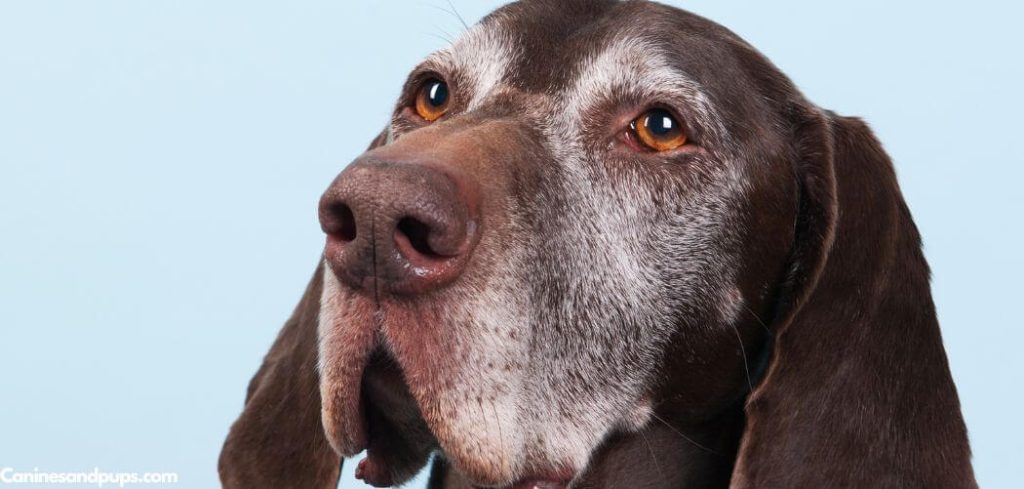
Old Dog Stroke: Why It Happens
A stroke in an old dog occurs when blood flow to part of the brain is disrupted, either by a blockage or bleeding, leading to sudden neurological symptoms. This interruption prevents the brain from receiving oxygen and nutrients, causing affected areas to stop functioning properly.
In senior dogs, strokes are often linked to underlying conditions such as heart disease, high blood pressure, or metabolic disorders.
Old Dog Stroke: Signs
Stroke symptoms in dogs typically appear suddenly and without warning. You may notice:
Sudden loss of balance or coordination
Falling, stumbling, or inability to stand
Head tilt (often to one side)
Circling in one direction
Rapid eye movements (flicking side to side)
Weakness on one side of the body
Disorientation or confusion
Sudden changes in behavior
Loss of vision or difficulty focusing
Old Dog Stroke: Common Causes
Blood Clots (Ischemic Stroke)
One of the primary causes of stroke is a blood clot that blocks blood flow to part of the brain.
In older dogs, this can be linked to underlying conditions such as heart disease or disorders that affect blood clotting.
When the blood supply is interrupted, the affected area of the brain cannot function normally, leading to sudden neurological symptoms.
Bleeding in the Brain (Hemorrhagic Stroke)
A hemorrhagic stroke occurs when a blood vessel in the brain ruptures, causing bleeding.
This type of stroke can result from trauma, high blood pressure, or weakened blood vessels.
The pressure from the bleeding disrupts brain function and can lead to rapid onset of symptoms.
High Blood Pressure
Chronic high blood pressure can damage blood vessels over time, increasing the risk of both clots and bleeding.
In older dogs, high blood pressure is often associated with other conditions such as kidney disease or hormonal disorders. This makes it an important underlying factor in stroke risk.
Heart Disease
Heart conditions can affect how blood flows through the body and increase the risk of clot formation.
Clots formed in the heart can travel to the brain, causing a stroke.
Senior dogs with heart disease are therefore at higher risk of sudden neurological events.
Metabolic or Hormonal Disorders
Conditions such as diabetes or hormonal imbalances can affect blood vessels and circulation.
These disorders may contribute to changes in blood pressure or clotting, increasing the likelihood of a stroke.
They often develop gradually but can lead to sudden complications.
Underlying Neurological Disease
In some cases, what appears to be a stroke may actually be another neurological condition, such as a brain tumor or inflammation.
These conditions can mimic stroke symptoms and require careful diagnosis to distinguish between them.
Read more: Old Dog Neurological Problems (Signs to watch out for)
Stroke vs Vestibular Disease (Important Difference)
One of the most important distinctions is between a stroke and vestibular disease, which is common in older dogs.
Vestibular disease can cause similar symptoms—such as head tilt, loss of balance, and rapid eye movements—but is often less severe and more likely to improve over time.
A stroke, on the other hand, may involve more pronounced weakness, asymmetry, or persistent deficits.
Because the symptoms overlap, a veterinary exam is essential to determine the cause.
Read more: Old Dog Vestibular Disease (Signs, causes and treatment)
What to Do If Your Dog Shows Signs Of Stroke
If you suspect your dog is having a stroke, act quickly but remain calm.
Keep your dog in a safe, quiet area where they cannot fall or injure themselves.
Avoid forcing movement. Support them gently if they need help staying comfortable.
Note the time symptoms started and what you observe, as this information is important for your veterinarian.
Read more: Old Dog Head Tilt (What it means)
When to Call or Visit Your Vet
Any sudden neurological change in an old dog should be treated as an emergency.
Contact your veterinarian immediately if your dog shows signs of stroke.
Seek urgent care if your dog cannot stand, is severely disoriented, or shows rapid worsening of symptoms.
Even if symptoms seem mild, prompt evaluation is essential to determine the cause and begin appropriate care.
Stroke in Old Dogs: Treatment
Veterinary treatment depends on the underlying cause. The veterinarian may perform blood tests, imaging, or neurological exams to confirm whether a stroke has occurred.
Treatment focuses on stabilizing your dog and managing underlying conditions such as high blood pressure or heart disease.
Supportive care, including fluids and medications, may help improve recovery and comfort.
In some cases, dogs can recover partially or fully with proper care.
Recovery
Recovery from a stroke in an older dog varies widely depending on the severity and underlying cause, but many dogs can improve with supportive care.
In the early stages, your veterinarian focuses on stabilizing the dog, managing symptoms such as disorientation, loss of balance, or weakness, and addressing any underlying conditions, such as high blood pressure or heart disease.
At home, recovery often involves providing a safe, quiet environment, assisting with walking, and ensuring easy access to food and water. Some dogs benefit from physical support, such as helping them stand or using non-slip surfaces to prevent falls.
Over time, many dogs regain coordination and strength, sometimes within days to weeks, although some may have lasting deficits.
Consistent monitoring and follow-up care are important to track progress and adjust support as needed.
Key Takeaway
Signs of stroke in an old dog include sudden loss of balance, head tilt, and disorientation, and they should always be treated as urgent.
While strokes can be serious, some dogs improve with timely veterinary care.
Quick action, careful observation, and professional evaluation are key to giving your dog the best possible outcome.


