
When an old dog starts shaking or trembling unexpectedly, it can be alarming. While occasional shivering may be harmless, frequent or persistent shaking in senior dogs often signals underlying medical problems that deserve close attention.
Understanding your dog’s body language—including shaking—can help you recognize what they’re experiencing and know when it’s time to seek veterinary care.
Old Dog Shaking: Why It Happens
Shaking in old dogs is most commonly linked to pain, neurological disorders, metabolic disease, anxiety, organ failure, low blood sugar, or age-related weakness that affects the nervous and muscular systems.
As dogs age, their ability to regulate body temperature, balance chemicals in the blood, and control muscle function declines.
Even mild illness or discomfort can trigger trembling. Emotional stress, chronic disease, and sensory decline may further worsen shaking episodes.
Because shaking is often the body’s response to internal imbalance, it should always be taken seriously in senior dogs.
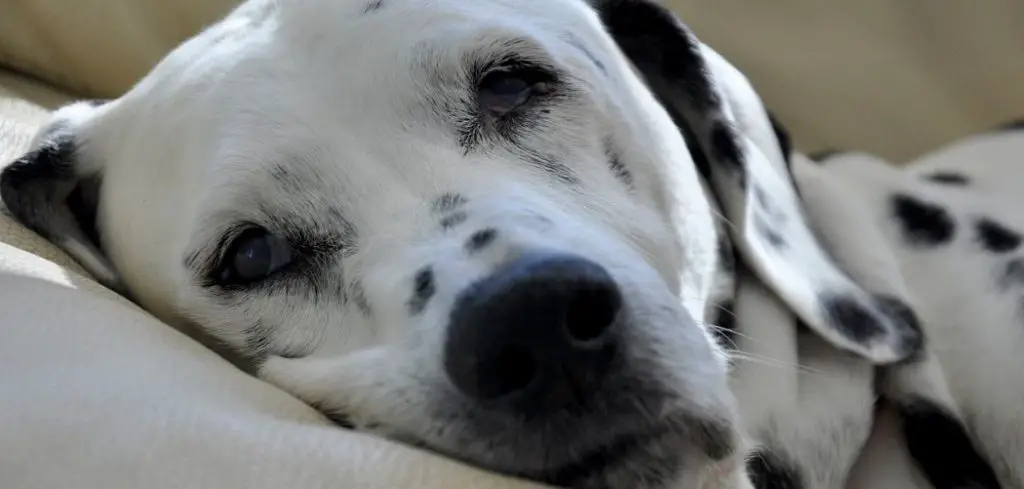
Old Dog Shaking: Signs
Shaking in older dogs can range from mild tremors to intense, whole-body trembling. Common signs include visible shivering, muscle twitching, or legs trembling while standing or walking.
Some senior dogs also show stiffness, weakness, difficulty rising, panting, restlessness, or anxiety alongside the shaking.
In more serious cases, shaking may be accompanied by loss of balance, confusion, vomiting, pale gums, or collapse, which suggests an underlying medical issue.
Old Dog Shaking: Common Causes
Chronic Pain and Arthritis
Arthritis and joint degeneration are among the most common causes of shaking in older dogs.
As cartilage wears down, bones rub against each other, creating inflammation and discomfort in the joints and spine.
When pain becomes persistent, muscles tense and tremble in response. Shaking may be most noticeable after rest, during cold weather, or when the dog tries to stand or walk. Some dogs shake subtly, while others develop visible trembling in the legs or body.
You may also notice stiffness, limping, difficulty climbing stairs, reluctance to move, or changes in posture. If pain is not managed, shaking can worsen over time and severely limit mobility.
Neurological Disorders
Age-related changes in the brain and spinal cord can interfere with normal nerve signals, leading to involuntary shaking.
Conditions such as canine cognitive dysfunction, degenerative myelopathy, brain tumors, and nerve inflammation are more common in senior dogs.
When nerve pathways malfunction, muscles may contract erratically, causing tremors, head bobbing, or full-body shaking. These episodes may come and go or gradually become more frequent.
Additional signs may include confusion, disorientation, circling, weakness, loss of coordination, seizures, or personality changes.
Neurological disease is serious and often progressive, making early diagnosis important.
Related: Old dog seizures (Causes explained)
Low Blood Sugar (Hypoglycemia)
Low blood sugar can occur in older dogs with diabetes, liver disease, poor appetite, infections, or certain cancers. When glucose levels drop, the brain and muscles do not receive enough energy.
As a result, the body releases stress hormones that trigger trembling and weakness. Shaking from hypoglycemia is often sudden and may be accompanied by lethargy, confusion, collapse, or seizures.
Small senior dogs and dogs with chronic illness are especially vulnerable. Untreated low blood sugar can quickly become life-threatening.
Kidney and Liver Disease
Chronic kidney and liver disease are common in aging dogs and often cause toxin buildup in the bloodstream. When these organs cannot filter waste properly, harmful substances affect the nervous system and muscles.
This toxic imbalance can lead to shaking, muscle weakness, nausea, appetite loss, and behavioral changes. Dogs may also drink and urinate more, lose weight, or develop bad breath.
As organ disease progresses, trembling may become more frequent and severe. These conditions require ongoing medical management to slow deterioration.
Anxiety and Cognitive Decline
Many senior dogs develop increased anxiety due to sensory loss, memory problems, or changes in routine. Canine cognitive dysfunction, similar to dementia in humans, can cause confusion and emotional instability.
When dogs feel fearful or disoriented, their body enters a stress response that triggers shaking. This is often seen during storms, at night, when separated from owners, or in unfamiliar environments.
Signs may include pacing, whining, clinginess, nighttime restlessness, house soiling, and altered sleep patterns. Emotional distress should not be dismissed, as it significantly affects quality of life.
Body Temperature Regulation Problems
Older dogs often struggle to regulate their body temperature effectively. Reduced muscle mass, poor circulation, and metabolic disorders can make them sensitive to cold.
When body temperature drops, muscles contract rapidly to generate heat, causing visible shivering. This may happen indoors, after bathing, during cool weather, or at night.
In some cases, shaking may also indicate fever caused by infection or inflammation. Fever-related trembling is often accompanied by lethargy, loss of appetite, and warmth around the ears and paws.
Old dog shaking when breathing
Shaking that occurs with each breath in an older dog often suggests respiratory distress, pain, or weakness.
Conditions such as heart disease, lung problems, fluid in the chest, or anemia can make breathing more difficult, causing the body to tremble with the effort.
This sign is especially concerning if breathing is fast, labored, or noisy and should be evaluated by a veterinarian immediately.
Old dog shaking while laying down
If a senior dog shakes while resting, it may indicate chronic pain, muscle weakness, nerve issues, or anxiety.
Arthritis and spinal problems commonly worsen when a dog lies still, leading to trembling or shivering.
Persistent shaking at rest is not normal in older dogs and often points to an underlying medical issue.
Old dog back legs shaking while laying down
Shaking in the back legs while lying down is frequently related to muscle weakness, arthritis, spinal disease, or nerve compression.
Age-related muscle loss and joint degeneration can make it difficult for senior dogs to fully relax, causing trembling even at rest.
If back-leg shaking worsens, affects mobility, or is accompanied by difficulty standing, veterinary assessment is important.
Old dog shaking while sleeping
Mild twitching during sleep can be normal and related to dreaming, but repeated or intense shaking may suggest pain, neurological changes, or metabolic problems.
Older dogs are more prone to sleep-related tremors caused by discomfort or reduced nerve control, especially if the shaking wakes them.
Old dog shaking after waking up
Shaking after waking is often associated with stiffness, joint pain, or muscle weakness, particularly in dogs with arthritis.
It may also occur if blood sugar levels are low or if the dog feels disoriented upon waking. If the shaking lasts more than a few moments or worsens over time, a veterinary exam is advised.
Read more: Old Dog Just Standing, Staring and Shaking (What it means)
Is a Dog Shaking An Emergency?
A dog shaking can be an emergency, depending on how sudden, severe, and persistent the shaking is and whether other symptoms are present.
Shaking caused by fear, cold, or mild stress may be temporary and not urgent. However, shaking becomes an emergency if it starts suddenly, is intense or uncontrollable, or is accompanied by vomiting, diarrhea, collapse, trouble breathing, seizures, severe pain, pale gums, confusion, or weakness.
If you are unsure of the cause or the shaking does not stop quickly, it is safest to seek veterinary care immediately.
When to Call or Visit Your Veterinarian
Seek immediate veterinary care if shaking is severe, sudden, or accompanied by collapse, seizures, vomiting, or loss of consciousness.
Contact your vet promptly if trembling lasts more than a day, worsens over time, or interferes with walking, eating, or sleeping.
Urgent evaluation is needed if shaking occurs alongside pale gums, rapid breathing, confusion, extreme weakness, or behavioral changes.
Senior dogs with known chronic disease should be evaluated whenever new shaking appears, as it may indicate disease progression.
Any unexplained shaking in an older dog should be taken seriously and professionally assessed.
Read more: Old panting excessively and shaking (Should you worry?)
Old Dog Shaking: Treatment
Treatment for shaking in an older dog focuses on identifying and managing the underlying cause, as shaking itself is a symptom, not a disease.
A veterinarian may begin with pain relief if arthritis or injury is suspected, along with anti-inflammatory or joint-support medications.
If shaking is linked to anxiety or stress, calming strategies or prescribed anxiolytics may help.
Medical causes such as infection, metabolic disorders, neurological issues, low blood sugar, or toxin exposure require targeted treatment, which can include IV fluids, antibiotics, glucose support, or hospitalization.
Because senior dogs can decline quickly, persistent, worsening, or sudden shaking should always be treated as urgent and evaluated by a vet immediately.
Old Dog Shaking FAQs
Why is my older dog shaking at night?
Shaking at night in senior dogs is commonly linked to pain, anxiety, cognitive decline, or discomfort that becomes more noticeable when the house is quiet.
Arthritis, spinal issues, or nerve pain often worsen during rest, leading to trembling. Nighttime shaking can also be associated with canine cognitive dysfunction, where confusion and restlessness increase after dark.
Why is my old dog shaking and not eating?
When shaking is paired with a loss of appetite, it often signals significant pain or an underlying illness. Conditions such as infections, kidney or liver disease, pancreatitis, or gastrointestinal problems can cause both trembling and refusal to eat.
This combination is concerning in older dogs and should be evaluated by a veterinarian as soon as possible.
Why is my old dog shaking and panting?
Shaking combined with panting frequently signals pain, stress, overheating, or internal illness. In senior dogs, this combination can also be linked to heart disease, hormonal disorders, or discomfort from arthritis. If panting and shaking occur without obvious triggers like heat or excitement, veterinary attention is recommended.
Key Takeaway
Shaking in an old dog is often a sign of pain, neurological decline, metabolic imbalance, organ disease, anxiety, or temperature regulation problems.
While occasional trembling may be mild, persistent or worsening shaking usually points to a medical issue that needs attention.
Keeping your dog warm, calm, and well-observed can help in the short term, but veterinary evaluation is essential for proper treatment. Early diagnosis improves comfort, slows disease progression, and protects your dog’s quality of life.
If your senior dog starts shaking unexpectedly, trust your instincts and seek professional guidance.