
When an old dog suddenly starts running away or wandering off, it can be both frightening and confusing.
This behavior is especially concerning in senior dogs because it is often a sign of disorientation, anxiety, or an underlying medical issue rather than simple curiosity.
Table of Contents
Old Dog Running Away: Why It Happens
An old dog running away is usually linked to confusion, cognitive decline, anxiety, or sensory changes rather than intentional escape behavior.
When dogs age, their awareness of surroundings can shift, and they may wander due to disorientation, discomfort, or an instinctive response to internal changes.
In many cases, this behavior is not about “wanting to leave” but about losing their sense of direction or security.
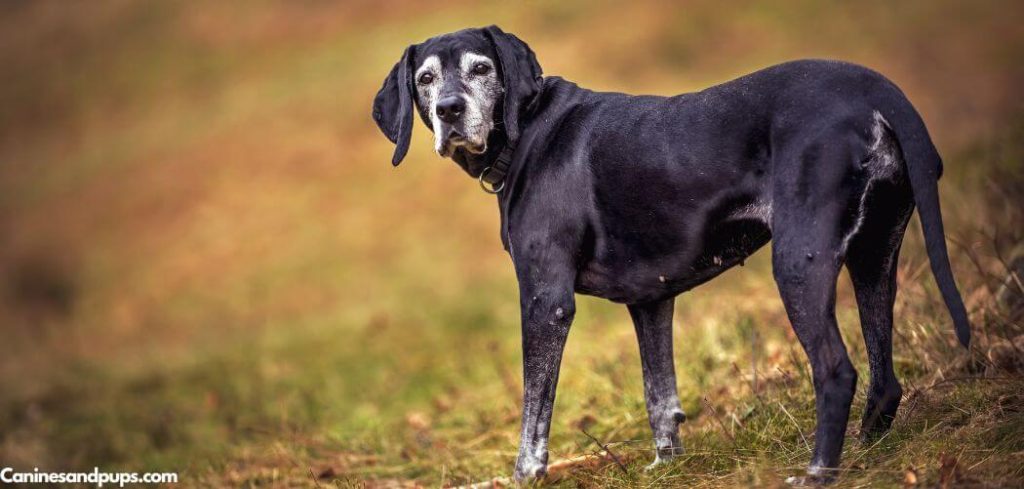
Old Dog Running Away Behavior
If your old dog is running away or wandering off, you may notice other related behaviors.
Wandering aimlessly or pacing
Getting lost in familiar areas
Not responding when called
Increased restlessness, especially at night
Confusion or disorientation
Changes in sleep patterns
Clinginess or, alternatively, withdrawal
Slower reactions or delayed responses
Old Dog Running Away: Common Causes
Cognitive Dysfunction
One of the most common reasons an old dog runs away is cognitive decline. This condition affects memory, awareness, and the ability to recognize familiar environments.
Dogs with cognitive dysfunction may forget where they are or how to return home, even in spaces they’ve known for years. What looks like running away is often wandering driven by confusion rather than intent.
This behavior can become more noticeable over time, especially at night or during quiet periods, when there are fewer cues to help the dog stay oriented.
Related: Old Dog Syndrome (Signs, causes and treatment)
Vision or Hearing Decline
As dogs age, their vision and hearing often deteriorate. This can make it harder for them to recognize their surroundings or respond to familiar cues.
A dog that cannot see clearly or hear your voice may unintentionally wander farther than intended. Once disoriented, they may continue moving rather than returning, appearing as if they are running away.
This can be especially risky outdoors, where unfamiliar environments increase confusion and reduce their ability to navigate safely.
Related: Old Dog Going Blind and Deaf (Why it happens)
Anxiety or Stress
Older dogs can become more anxious due to changes in routine, environment, or health. Even small disruptions—like a new pet, moving furniture, or changes in household activity—can trigger stress.
Some dogs respond to anxiety by pacing or trying to escape their environment. Running away may be an attempt to cope with internal discomfort or seek a quieter, more familiar space.
Separation anxiety can also reappear in older dogs, especially if cognitive decline is present.
Pain or Physical Discomfort
Chronic pain from conditions like arthritis or internal illness can make it difficult for a dog to rest comfortably. Instead of settling down, they may wander or move around restlessly.
In some cases, this movement can escalate into attempts to leave the area, especially if the dog associates a particular space with discomfort.
Because dogs often hide pain, wandering behavior may be one of the first noticeable signs that something is wrong.
Hormonal or Medical Conditions
Certain medical conditions can alter behavior and energy levels. For example, thyroid imbalances or neurological disorders can affect how a dog thinks and reacts.
These changes may lead to unusual behavior, including increased activity, restlessness, or wandering.
In older dogs, underlying health issues can develop gradually, making behavioral changes an early warning sign.
Instinctive Behavior or Habit
Even in older age, some dogs retain strong instincts to explore or roam, especially if they were previously allowed to wander freely.
However, unlike younger dogs, senior dogs are less able to navigate safely or return home once they leave. What may start as instinctive behavior can quickly become dangerous due to reduced awareness and physical ability.
Old Dog Running Away: What to Do
If your old dog is running away, start by observing when and where it happens. Look for patterns, such as nighttime wandering or triggers like noise or activity.
Limit unsupervised access to areas where your dog could leave the home. Keeping doors and gates secure is essential.
Provide mental and physical comfort through gentle interaction, enrichment, and a calm environment. Reducing stress can help decrease wandering behavior.
If your dog seems confused or disoriented, offer reassurance and guide them gently rather than forcing them, which can increase anxiety.
When to Call or Visit Your Vet
If your dog suddenly starts running away or wandering, it’s important to consult your veterinarian. Behavioral changes in senior dogs are often linked to underlying medical issues.
Seek immediate advice if the behavior is accompanied by confusion, loss of balance, vision changes, or unusual activity levels.
If wandering becomes frequent or your dog gets lost easily, a veterinary evaluation can help identify conditions like cognitive dysfunction or neurological problems.
Early intervention can make a significant difference in managing the behavior and keeping your dog safe.
Old Dog Running Away: Veterinary Assessment
Veterinary treatment depends on the underlying cause of the behavior. If cognitive dysfunction is diagnosed, your vet may recommend medications, supplements, and environmental adjustments to support brain health.
For anxiety-related issues, calming aids or behavioral strategies may be suggested.
If pain or medical conditions are contributing, appropriate treatment such as pain management or targeted therapy will be provided.
Addressing the root cause is key to improving your dog’s behavior and overall well-being.
How to Prevent Your Old Dog From Running Away
Preventing wandering starts with creating a safe and secure environment.
Ensure your yard is properly enclosed and check for gaps or weak points in fencing. Supervise outdoor time whenever possible, especially if your dog has shown signs of wandering.
Keep your dog on a leash during walks, even if they were previously reliable off-leash. Aging can change behavior unpredictably.
Maintain a consistent daily routine. Predictability helps reduce confusion and anxiety, making your dog feel more secure.
Consider using identification tags or a microchip if your dog doesn’t already have one. This greatly increases the chances of a safe return if they do wander.
Key Takeaway
An old dog running away is rarely about disobedience—it’s usually a sign of confusion, anxiety, or underlying health changes. This behavior should always be taken seriously, especially in senior dogs.
By creating a safe environment, observing changes, and seeking veterinary guidance when needed, you can help protect your dog and improve their quality of life.
Your awareness and care play a crucial role in keeping your aging dog safe and secure.


