
It can be surprising — and sometimes confusing — to see your senior dog suddenly sprinting through the house, darting from room to room, or acting like a puppy again.
If your old dog is running around like crazy, you might wonder whether it’s a harmless burst of energy or a sign that something is wrong.
Occasional zoomies can absolutely be normal, even in older dogs. However, when these episodes are new, frequent, intense, or paired with other unusual behaviors, they may signal discomfort, anxiety, or neurological changes.
Table of Contents
Old Dog Running Around Like Crazy: Why It Happens
An old dog running around like crazy can be normal excitement, but it may also be linked to cognitive changes, anxiety, discomfort, or bursts of excess energy. Senior dogs don’t usually become hyper without a reason, so understanding the context of these episodes is important.
An old dog running around like crazy typically happens due to excitement (zoomies), cognitive dysfunction, anxiety, pain-related agitation, or even neurological issues.
In some cases, dogs may suddenly run due to confusion or restlessness, especially at night.
While occasional bursts of energy are harmless, repeated or unusual episodes should be evaluated more closely.
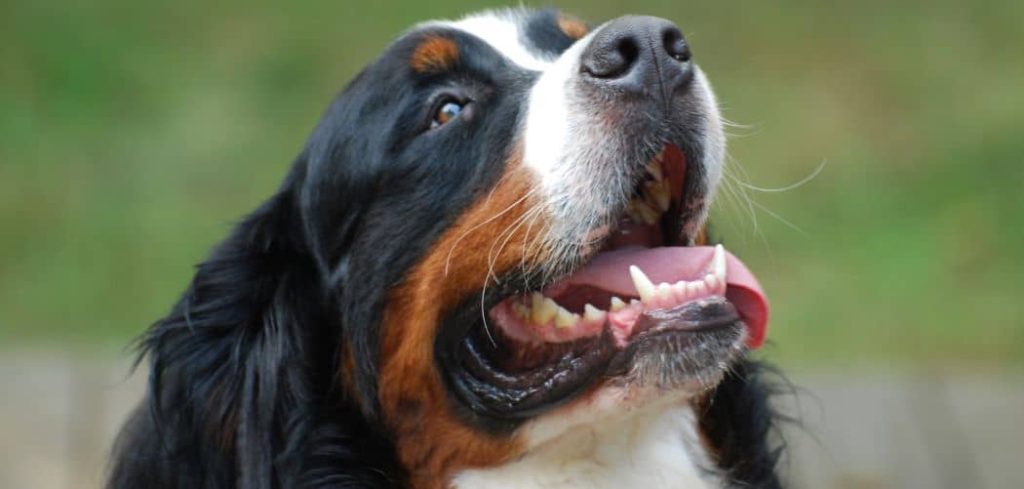
Are Zoomies Normal In Senior Dogs?
The “zoomies,” also known as Frenetic Random Activity Periods (FRAPs), are short bursts of high-energy running often seen in puppies and young dogs.
Even older dogs can experience occasional zoomies, especially after a bath, during playtime, or when greeting their favorite person. These episodes are usually brief, joyful, and followed by calm behavior.
If your senior dog has always occasionally dashed around in excitement and appears relaxed afterward, it may simply be personality-driven behavior.
However, if your old dog running around like crazy seems sudden, prolonged, or accompanied by confusion, distress, or physical symptoms, deeper causes should be considered.
Why Behavioral Changes Matter In Senior Dogs
As dogs age, their nervous systems, endocrine systems, and musculoskeletal structures undergo changes.
Subtle health problems may first appear as behavioral shifts rather than obvious physical illness. A dog that suddenly begins pacing, running frantically, or appearing overstimulated may actually be responding to discomfort or confusion.
In senior dogs, dramatic bursts of energy that seem out of character often warrant closer observation.
Old Dog Running Around Like Crazy: Symptoms
If your old dog is running around like crazy, you may notice:
- Sudden bursts of sprinting or “zoomies”
- Running in circles or erratic patterns
- Difficulty stopping or settling down
- Panting or heavy breathing after episodes
- Appearing confused or overstimulated
- Barking or vocalizing during episodes
- Increased restlessness, especially at night
- Changes in behavior or routine
- Signs of discomfort after activity
Old Dog Running Around Like Crazy: Common Causes
Excitement or Emotional Release
Not all high-energy episodes are problematic. Sometimes senior dogs experience genuine excitement that triggers brief running spurts.
Greeting a loved one after a long absence, anticipating a walk, or reacting to a favorite toy can spark joyful bursts of movement.
In these cases, body language is relaxed and playful. The dog may wag their tail, bow playfully, and settle down quickly after the episode ends.
If behavior returns to normal immediately, it is typically harmless.
Anxiety
Anxiety can manifest as sudden bursts of frantic movement. Senior dogs may develop anxiety due to cognitive decline, sensory loss, or environmental changes.
An old dog running around like crazy during thunderstorms, fireworks, or separation may be experiencing stress rather than excitement.
Anxiety-driven episodes often include pacing, panting, whining, or seeking reassurance.
Over time, untreated anxiety can escalate, leading to more frequent episodes.
Read more: Old Dog Circling and Pacing (Signs to watch for)
Cognitive Dysfunction Syndrome
Cognitive dysfunction syndrome, similar to dementia in humans, affects many senior dogs.
As memory and awareness decline, dogs may become disoriented. Some respond by pacing or running in circles.
Episodes may occur at night or in unfamiliar lighting conditions. The dog may appear confused rather than joyful.
Additional signs include staring at walls, altered sleep cycles, house-training accidents, or decreased interaction.
Cognitive dysfunction-related running often appears purposeless and repetitive.
Pain
Pain can sometimes trigger sudden bursts of movement. Arthritis, spinal disease, or abdominal discomfort may cause dogs to move frantically in an attempt to relieve sensation.
For example, gastrointestinal upset or gas may prompt sudden running episodes followed by attempts to lie down repeatedly.
If your old dog running around like crazy seems restless or unable to settle comfortably afterward, discomfort may be the cause.
Hormonal Imbalances
Endocrine disorders such as Cushing’s disease or hyperthyroidism (rare in dogs but possible) can affect energy levels and behavior.
Hormonal changes may cause restlessness, increased thirst, or sudden behavioral shifts.
Blood testing is required to diagnose endocrine-related causes.
Neurological Disorders
Brain tumors, partial seizures, or other neurological conditions can produce abnormal bursts of activity.
In some cases, focal seizures may cause sudden running, circling, or repetitive movement.
Neurological episodes are often accompanied by altered awareness, staring, or unresponsiveness during or after the event.
If episodes appear sudden, intense, and unrelated to stimuli, veterinary evaluation is urgent.
Sensory Decline and Confusion
Vision or hearing loss can disorient senior dogs. In dim lighting, shadows may appear threatening, triggering sudden movement.
An old dog running around like crazy at night may be responding to confusion or misinterpreted stimuli.
Gastrointestinal Upset
Occasionally, digestive discomfort causes sudden bursts of frantic movement. Dogs experiencing mild abdominal cramping may run briefly before attempting to lie down or eliminate.
Old Dog Running Around Like Crazy: What to Do
If your old dog is running around like crazy, start by observing the context. Determine whether the behavior appears playful, anxious, or disoriented.
Ensure your dog has a safe environment to prevent injury during these episodes. Remove obstacles and provide non-slip surfaces if possible.
Maintain a consistent daily routine to reduce anxiety and confusion. Predictability helps senior dogs feel more secure.
Provide regular, gentle exercise and mental stimulation to prevent excess energy buildup.
If the behavior seems stress-related, try to identify and reduce triggers while offering calm reassurance.
When to Call or Visit Your Vet
If your old dog running around like crazy behavior is frequent, intense, or out of character, it’s important to consult your veterinarian.
Seek veterinary care if the episodes are accompanied by confusion, disorientation, or difficulty settling down.
If your dog shows signs of pain, stiffness, or limping after running, this should also be evaluated.
Sudden changes in behavior—especially in senior dogs—should never be ignored, as they often indicate underlying issues.
Read more: Old Dog Acting Confused And Restless (What it means)
Old Dog Running Around Like Crazy: Treatment
Veterinary treatment for an old dog running around like crazy depends on the underlying cause.
If cognitive dysfunction is diagnosed, your vet may recommend medications or supplements to support brain health.
Anxiety-related behaviors may be managed with calming strategies or medications.
Pain-related causes can be treated with appropriate pain management.
Neurological or metabolic conditions may require further diagnostic testing and targeted treatment.
The goal is to address the root cause and help your dog feel calm, comfortable, and stable.
Key Takeaway
An old dog running around like crazy can sometimes be harmless—but it can also signal deeper issues like anxiety, confusion, or discomfort.
Pay attention to patterns, triggers, and accompanying symptoms.
With the right observation and veterinary support when needed, you can ensure your dog stays safe, comfortable, and well cared for in their senior years.


