
Few situations are more alarming for a dog owner than realizing their senior dog has stopped eating and drinking. When an old dog refuses food and water, it is rarely a minor issue. Appetite and hydration are essential for survival, and in aging dogs, even short periods without intake can lead to rapid decline.
While some dogs may occasionally skip a meal, refusing both food and water is a serious warning sign that something is wrong.
We explain why older dogs stop eating and drinking, the most common medical causes, when it becomes an emergency, and how to support your aging companion.
Table of Contents
Old Dog Refuses Food And Water: Why It Happens
An old dog refusing food and water is usually a sign of illness, pain, severe nausea, or advanced age-related decline rather than simple pickiness. Unlike younger dogs, senior dogs rarely stop both eating and drinking without a significant reason, and dehydration can develop quickly.
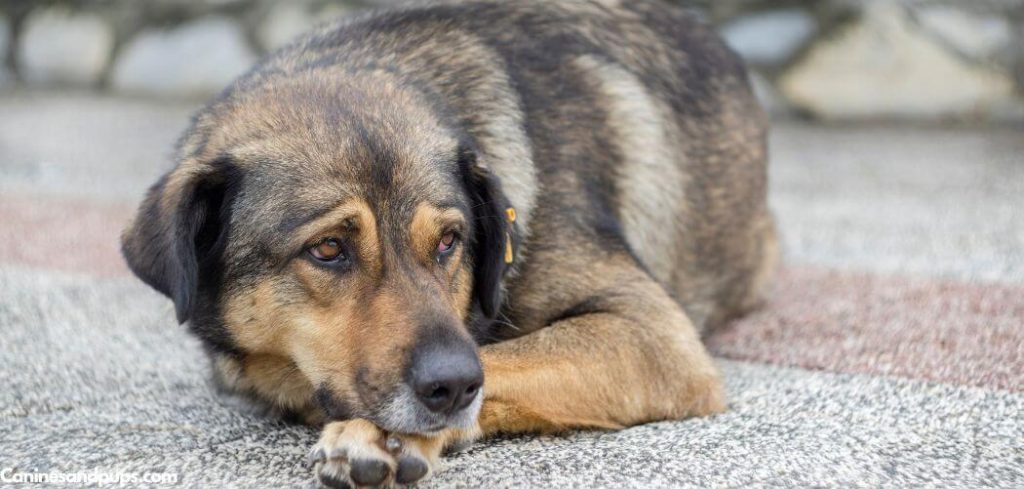
Why This Is More Concerning In Senior Dogs
A younger, otherwise healthy dog may tolerate a brief reduction in appetite with minimal consequences. Senior dogs, however, are more fragile.
Aging bodies lose muscle mass and metabolic flexibility. Chronic illnesses such as kidney disease, heart disease, or arthritis are more common. Hydration levels can drop quickly, especially if vomiting or diarrhea is also present.
When an old dog refuses food and water, dehydration, electrolyte imbalance, and weakness can develop within a day. That’s why prompt attention is critical.
Old Dog Refuses Food And Water: Common Causes
Advanced Kidney Disease
Chronic kidney disease is one of the most common age-related illnesses in dogs. In its early stages, increased thirst and urination are typical. As the disease progresses, toxins build up in the bloodstream.
This toxin accumulation causes severe nausea, weakness, and lethargy. Dogs may lose interest in food due to constant nausea. Eventually, they may also refuse water despite becoming dehydrated.
Additional signs may include weight loss, vomiting, bad breath with a chemical or ammonia-like odor, and decreased energy.
Once appetite and water intake decline significantly, kidney disease may be in an advanced stage requiring urgent care.
Liver Failure
The liver plays a critical role in detoxification and digestion. When liver function declines, toxins accumulate and interfere with brain and digestive processes.
An old dog refuses food and water due to liver failure may appear disoriented, weak, or depressed. Vomiting, diarrhea, and yellowing of the eyes or gums may also occur.
Liver disease can develop gradually, and loss of appetite may be one of the earliest noticeable symptoms.
Severe Gastrointestinal Disease
Conditions such as pancreatitis, intestinal blockage, or severe inflammatory bowel disease can cause intense abdominal pain and nausea.
When eating or drinking triggers discomfort or vomiting, dogs may begin refusing both.
In cases of obstruction, dogs may repeatedly attempt to vomit and appear distressed. This is a medical emergency that requires immediate veterinary intervention.
Read more: Old Dog Picky Eater (Why it happens)
Advanced Cancer
Cancer risk increases significantly with age. Tumors affecting internal organs can suppress appetite due to metabolic changes and systemic inflammation.
As cancer progresses, weakness and nausea may lead to complete refusal of food and water. Weight loss, lethargy, and behavioral withdrawal often accompany these changes.
In some cases, appetite stimulants may help temporarily, but underlying disease progression must be considered.
Severe Pain
Chronic pain from arthritis, spinal disease, dental infection, or internal illness can significantly suppress appetite.
If standing to eat or bending to drink causes discomfort, your dog may avoid both activities.
Pain-related appetite loss may be accompanied by stiffness, reluctance to move, or changes in posture.
Infection
Severe infections can cause systemic inflammation, fever, and weakness. Appetite suppression is common when the body is fighting an infection.
An old dog that refuses food and water due to infection may appear lethargic, warm to the touch, or uninterested in its surroundings. Immediate diagnosis and antibiotic treatment are essential.
Neurological Disease
Brain tumors, strokes, or advanced cognitive dysfunction can interfere with normal behavior. Dogs may appear confused or forget routines.
Some may approach their bowl but fail to eat, while others show no interest at all.
Neurological decline often presents alongside disorientation, pacing, or altered sleep cycles.
Toxin Exposure
Accidental ingestion of toxins can cause severe nausea, vomiting, and weakness.
Senior dogs may be more sensitive to toxic substances due to decreased organ function. If toxin exposure is suspected, emergency veterinary care is critical.
End-Stage Decline
In some cases, when an old dog refuses food and water, it may reflect natural end-of-life progression.
As the body begins shutting down, appetite and thirst diminish naturally.
This stage is often accompanied by profound lethargy, prolonged sleeping, and minimal engagement.
Old Dog Refuses Food And Water: What to Do
If your old dog refuses food and water, start by observing how long the behavior has lasted. Even 24 hours without water can be serious, especially in older dogs.
Offer small amounts of fresh, clean water frequently. Sometimes changing the bowl location or offering water by hand can encourage drinking.
You can try offering highly palatable, soft foods with strong smells to stimulate appetite. Warming food slightly can make it more appealing.
Keep your dog comfortable and stress-free. A calm environment can help reduce nausea or anxiety that may be contributing to the issue.
Avoid forcing food or water, as this can create negative associations or lead to choking if your dog is weak or unwell.
When It Becomes An Emergency
Seek immediate veterinary care if your senior dog:
Has not eaten or drunk anything for 24 hours
Shows signs of dehydration (dry gums, sunken eyes)
Is vomiting or diarrhea
Appears extremely weak or unable to stand
Has pale, yellow, or blue gums
Is breathing abnormally
Because dehydration can worsen quickly, early intervention is essential.
Diagnosis
A thorough physical examination is the first step. Your veterinarian will assess hydration, oral health, abdominal comfort, and neurological function.
Blood tests evaluate kidney and liver function, electrolyte balance, infection markers, and metabolic health.
Imaging, such as X-rays or ultrasound, may be used to detect tumors or obstruction.
Old Dog Refuses Food And Water: Treatment
Veterinary treatment for an old dog refusing food and water depends on the underlying cause.
Your vet may start with diagnostic tests such as blood work, imaging, or physical exams to identify the issue.
Treatment may include fluids to correct dehydration, medications to control nausea or pain, and targeted therapies for conditions like kidney disease or infections.
In some cases, appetite stimulants or assisted feeding methods may be recommended.
If the condition is related to end-of-life changes, your vet may discuss supportive or palliative care options to ensure your dog’s comfort.
Supporting Your Senior Dog While Seeking Care
If your old dog refuses food and water, do not force-feed without veterinary guidance. Offer small amounts of fresh water and monitor closely.
Keep your dog in a quiet, comfortable environment while arranging a medical evaluation.
Quality Of Life Considerations
When refusal persists and the underlying disease is advanced, it may be time to discuss quality of life with your veterinarian.
Evaluating comfort, pain levels, and overall well-being helps guide compassionate decision-making.
Choosing comfort over prolonged suffering is an act of love, though it can be emotionally difficult.
Read more: Old Dog Behavior Before Death (What to expect)
Key Takeaway
An old dog refusing food and water is never a symptom to ignore. While some causes are treatable, others may signal serious or advanced illness.
Prompt veterinary evaluation provides clarity and ensures your senior dog receives appropriate care.
Whether recovery is possible or supportive care is needed, acting quickly ensures your aging companion is treated with compassion, dignity, and comfort throughout their golden years.


