
It can be terrifying to realize your senior dog has stopped eating and drinking. When an old dog quits eating and drinking, it is rarely a minor issue.
Appetite and hydration are basic survival functions, and when both stop at the same time, it usually signals a serious underlying problem.
While some older dogs may occasionally skip a meal, refusing both food and water is far more concerning.
Table of Contents
Old Dog Quit Eating and Drinking: Why It Happens
When an old dog stops eating and drinking, it usually indicates a serious underlying issue rather than normal aging. Common causes include advanced organ disease (such as kidney or liver failure), cancer, severe dental pain, infections, or gastrointestinal problems that cause nausea.
Pain, weakness, and cognitive decline can also reduce interest in food and water.
In many cases, this behavior appears in the late stages of illness, when the body is no longer able to maintain normal function. Because hydration and nutrition are essential, this is a critical sign that the dog’s health has significantly declined.
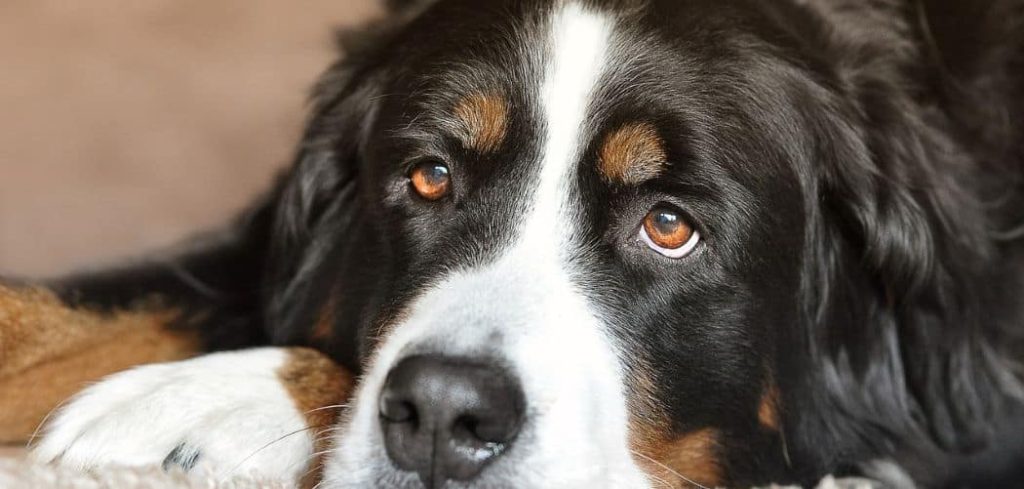
Why It’s More Serious In Senior Dogs
As dogs age, their bodies lose the ability to compensate for stress as effectively as they once did. Muscle mass declines, immune function weakens, and chronic conditions become more common.
When a young, healthy dog skips food for a short time, they often recover quickly. But when an old dog quits eating and drinking, dehydration and electrolyte imbalances can develop rapidly.
Even 24 hours without water can lead to serious complications in a senior dog, especially if underlying organ disease is present.
Old Dog Quit Eating And Drinking: Common Causes
Advanced Kidney Disease
Chronic kidney disease is extremely common in older dogs. As kidney function declines, waste products accumulate in the bloodstream. These toxins cause nausea, weakness, and a general feeling of malaise.
Dogs with advanced kidney failure often stop eating because they feel persistently nauseous. As the condition worsens, they may also refuse water, even though dehydration makes them feel worse.
Other signs may include increased thirst earlier in the disease, weight loss, vomiting, bad breath with a chemical odor, and lethargy.
Once appetite and water intake decline significantly, the disease may be in an advanced stage requiring immediate veterinary intervention.
Related: Old dog not eating and sleeping a lot (What it means)
Liver Failure
The liver plays a crucial role in metabolism, digestion, and detoxification. When liver function becomes severely impaired, toxins build up in the bloodstream, affecting the brain and digestive system.
An old dog that quits eating and drinking due to liver failure may appear confused, weak, or disoriented.
Vomiting and diarrhea are common. In some cases, yellowing of the gums or eyes may develop.
Because the liver impacts multiple body systems, loss of appetite and thirst may reflect systemic decline.
Severe Gastrointestinal Disease
Conditions such as pancreatitis, intestinal blockage, or advanced inflammatory bowel disease can cause intense nausea and abdominal pain.
When eating leads to discomfort or vomiting, dogs may begin refusing food. If nausea becomes severe, they may also avoid drinking water.
An old dog quit eating and drinking due to gastrointestinal obstruction may show signs of abdominal pain, bloating, or repeated vomiting. This situation is a medical emergency.
Advanced Cancer
Cancer becomes more common with age. Tumors affecting the digestive tract, liver, kidneys, or other organs can suppress appetite significantly.
As cancer progresses, metabolic demands change, and systemic inflammation increases. Dogs may lose interest in both food and water.
Weight loss, weakness, and behavioral withdrawal often accompany appetite decline in advanced cancer cases.
Severe Pain
Chronic pain from arthritis, spinal disease, or internal illness can reduce appetite. If pain becomes overwhelming, dogs may stop eating and drinking entirely.
Pain-related appetite loss is often accompanied by reluctance to move, whining, restlessness, or changes in posture.
Managing pain effectively can sometimes restore appetite if the underlying condition is treatable.
Infection
Severe infections can cause systemic inflammation that leads to lethargy, fever, and appetite suppression.
An old dog quit eating and drinking due to infection may appear weak, depressed, or feverish.
Rapid veterinary intervention with antibiotics and supportive care is often necessary.
Neurological Disease
Brain tumors, strokes, or advanced cognitive dysfunction can interfere with normal behavior, including eating and drinking.
Dogs may seem confused about where their food bowl is or forget how to eat.
Neurological decline often presents alongside disorientation, pacing, or altered sleep patterns.
End-Stage Decline
In some cases, when an old dog quits eating and drinking, it may reflect the natural end of life. As the body begins shutting down, appetite and thirst naturally diminish.
This stage is often accompanied by profound weakness, minimal interest in surroundings, and prolonged sleeping.
Discussing the quality of life with your veterinarian becomes crucial at this point.
Related: Old dog behavior before death (What to expect)
Warning Signs that Require Immediate Veterinary Care
Seek urgent medical attention if your senior dog:
Has not eaten or drunk anything for 24 hours
Is vomiting or having diarrhea
Appears extremely weak or unable to stand
Shows signs of dehydration (dry gums, sunken eyes)
Is breathing abnormally
Has pale or yellow gums
Time is critical, especially in older dogs.
Old Dog Quit Eating And Drinking: Treatment
A thorough examination is essential. Blood tests evaluate kidney and liver function, electrolyte balance, and infection markers.
Imaging such as X-rays or ultrasound may be used to detect tumors, obstruction, or organ abnormalities.
Neurological evaluation may be required if brain disease is suspected.
Treatment depends entirely on the underlying cause. Kidney disease may require fluid therapy and dietary management. Liver failure requires targeted medical support.
Infections are treated with antibiotics. Gastrointestinal obstruction may require surgery.
In some cases, appetite stimulants or anti-nausea medication can help restore eating and drinking.
Supporting Your Dog While Seeking Help
If your dog has stopped eating and drinking, do not force-feed without veterinary guidance. Offer small amounts of water frequently and monitor closely.
Keep your dog in a quiet, comfortable environment while arranging veterinary care.
Quality Of Life Considerations
When an old dog quits eating and drinking and the underlying disease is advanced, difficult decisions may need to be made.
Discussing prognosis, pain management, and quality of life with your veterinarian ensures compassionate care.
The goal is always comfort and dignity.
Key Takeaway
An old dog not eating or drinking is never something to ignore. While some causes are treatable, others may reflect serious or advanced illness.
Immediate veterinary evaluation is essential to determine whether recovery is possible or supportive end-of-life care is appropriate.
By acting quickly and compassionately, you can ensure your senior companion receives the care, comfort, and dignity they deserve during this vulnerable stage of life.


