
An old dog lose weight rapidly can be alarming, especially when it seems to happen over just a few weeks.
Sudden weight loss in senior dogs is rarely normal aging and often signals an underlying health issue that needs attention.
Old Dog Quickly Losing Weight: Why It Happens
An old dog quickly loses weight when the body is no longer absorbing nutrients properly, burning energy too fast, or fighting internal disease.
In senior dogs, weight loss often develops quietly as organs age, metabolism changes, or chronic illness progresses.
Because older dogs can appear “okay” at first, weight loss may be the earliest visible sign something serious is happening internally.
The faster the weight drops, the more important it is to identify the cause early.
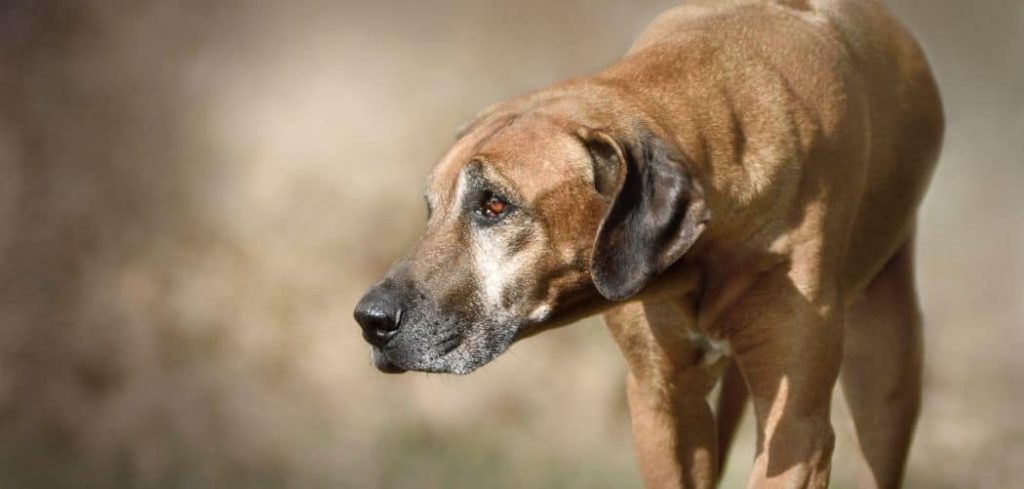
Old Dog Quickly Losing Weight: Symptoms
Signs of an older dog quickly losing weight include:
Noticeable weight loss over a short period
Visible ribs, spine, or hip bones
Loss of muscle mass and overall body condition
Reduced appetite or changes in eating habits
Lethargy or decreased energy levels
Possible vomiting, diarrhea, or increased thirst
Old Dog Quickly Losing Weight: Common Causes
Kidney Disease
Kidney disease is one of the leading causes of rapid weight loss in senior dogs.
As kidney function declines, toxins build up in the bloodstream, causing nausea, appetite loss, and muscle breakdown. Even when a dog continues to eat, the body may not efficiently use nutrients, leading to visible weight loss.
Other signs often include increased thirst and urination, bad breath with a chemical smell, vomiting, or overall weakness.
Read more: Old Dog Not Eating (Here’s why and when to worry)
Cancer
Cancer commonly causes unexplained and fast weight loss in older dogs. Tumors can alter metabolism, suppress appetite, and consume large amounts of energy.
Some cancers also cause pain or nausea that reduces food intake without obvious signs early on.
Weight loss related to cancer is often accompanied by lethargy, new lumps, persistent coughing, vomiting, diarrhea, or behavioral changes.
Dental Disease or Oral Pain
Severe dental disease can quietly drive weight loss. Infected teeth, gum disease, or oral tumors make chewing painful, so dogs may eat less or chew inefficiently.
Owners often don’t notice the reduction because the dog still approaches the food bowl.
Signs may include bad breath, drooling, dropping food, pawing at the mouth, or favoring soft foods.
Gastrointestinal Disorders
Digestive disorders can prevent proper nutrient absorption. Conditions such as inflammatory bowel disease, chronic pancreatitis, or intestinal infections interfere with digestion, causing weight loss even when appetite appears normal.
Loose stools, vomiting, gassiness, or mucus in the stool may occur, but in some dogs weight loss is the most noticeable symptom.
Read more: Old Dog Eating but Losing Weight (What it means)
Diabetes Mellitus
Diabetes can cause rapid weight loss despite normal or increased appetite.
When insulin isn’t functioning properly, glucose can’t enter cells for energy. The body then breaks down fat and muscle instead, leading to noticeable thinning.
Increased thirst, frequent urination, lethargy, and sometimes sweet-smelling breath often accompany weight loss in diabetic dogs.
Hormonal Disorders
Hormonal disorders can accelerate metabolism. Although less common in dogs than cats, hormonal imbalances can cause the body to burn calories faster than normal, resulting in weight loss, restlessness, and muscle wasting.
Dogs may seem hungrier, more anxious, or more active while still losing weight.
Old Dog Quickly Losing Weight: What to Do
Start by monitoring food intake carefully. Measure meals, note appetite changes, and track weight weekly if possible. Even small drops add up quickly in senior dogs.
Avoid making major diet changes without guidance, but ensure your dog is eating a high-quality, age-appropriate food that’s easy to digest. Softening food or offering smaller, more frequent meals may help short term.
Keep a close eye on energy levels, drinking habits, and bathroom patterns. These details provide valuable clues for your veterinarian and can speed up diagnosis.
When to Call or Visit Your Vet
Contact your veterinarian promptly if weight loss occurs over a short period or continues despite normal eating.
Seek urgent care if weight loss is paired with vomiting, diarrhea, increased thirst, labored breathing, weakness, pain, or behavior changes.
Rapid weight loss in an old dog is almost always medically significant, and early evaluation improves treatment options and comfort.
Old Dog Quickly Losing Weight: Treatment
Treatment focuses on identifying the cause through physical exams, bloodwork, and possibly imaging. Common causes include organ disease, digestive disorders, infections, or metabolic conditions.
Treatment will depend on the diagnosis and may include medications, dietary changes, or supportive care such as fluids and nutritional support. In some cases, appetite stimulants or easily digestible, high-calorie diets are recommended.
Early intervention is critical, as rapid weight loss can weaken your dog quickly. Regular monitoring helps ensure treatment is effective and your dog regains strength.
Key Takeaway
Rapid weight loss in an old dog is not a normal part of aging and should never be ignored. It is often the body’s first visible sign of kidney disease, cancer, digestive disorders, or metabolic illness.
By acting early, monitoring changes closely, and involving your veterinarian as soon as weight loss is noticed, you give your senior dog the best chance at comfort, stability, and a better quality of life.