
If you’ve noticed your old dog’s nose turning pink, you’re not alone. Many senior dog owners become concerned when a once-black nose lightens in color. While some nose color changes are completely harmless, others may signal underlying health conditions that require attention.
In this detailed guide, we outline the most common causes of an old dog’s pink nose, how to determine whether it’s normal or concerning, and what steps to take if additional symptoms appear.
Table of Contents
Old Dog Pink Nose: Why It Happens
A pink nose in an old dog is usually caused by pigment loss, aging-related skin changes, environmental factors, or underlying health conditions. When dogs age, melanin production can decrease, leading to a gradual lightening of the nose. Seasonal changes, minor irritation, autoimmune conditions, or even sun exposure can also contribute to this shift in color.
In many cases, a pink nose is simply a cosmetic change, but if it appears suddenly or comes with other symptoms, it may indicate something more significant affecting your dog’s skin or immune system.
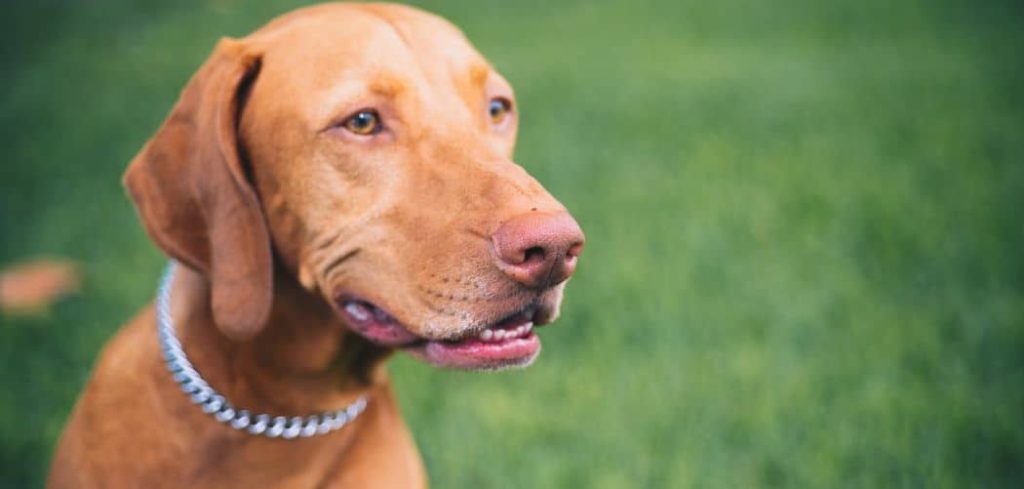
Is It Normal For An Old Dog’s Nose To Change Color?
Yes, in many cases, nose color changes are a normal part of aging. Just like humans develop gray hair, dogs can experience pigment changes over time.
The cells responsible for producing melanin — the pigment that gives the nose its dark color — may slow down as your dog ages.
This gradual pigment loss can cause a black or dark brown nose to fade to a lighter brown or pink shade. The change often happens slowly and symmetrically. If your dog’s nose texture remains smooth and moist, and there are no sores or swelling, the change may simply reflect aging.
However, not all pink noses are harmless. The key is evaluating the overall appearance and your dog’s general health.
Old Dog Pink Nose: Signs
If your old dog has a pink nose, you may notice the following:
- Change in nose color from black or dark brown to pink
- Uneven or patchy pigmentation
- Dryness, flaking, or crusting on the nose
- Cracks or rough texture
- Increased licking or rubbing of the nose
- Sensitivity to touch
- Sores or scabs in more serious cases
Old Dog Pink Nose: Common Causes
Natural Age-Related Pigment Loss
As dogs enter their senior years, melanin production can decrease. This process is similar to graying fur and is often gradual. The nose may transition from deep black to brown, then to pink over months or years.
In these cases, the nose usually remains smooth, cool, and moist. There is no cracking, ulceration, or discomfort.
The change is purely cosmetic and does not affect your dog’s sense of smell or overall well-being.
Age-related pigment loss is especially common in certain breeds predisposed to lighter nose pigmentation as they mature. If the color shift occurs evenly without other symptoms, it is often benign.
Seasonal “Snow Nose”
Some dogs experience seasonal nose color changes known as “snow nose” or winter nose. During colder months, reduced sunlight can influence melanin production, causing the nose to lighten temporarily.
In senior dogs, seasonal pigment changes may become more noticeable because pigment-producing cells are already less active. The nose may appear pink in winter and darken again during sunnier months.
Snow nose does not cause discomfort, cracking, or sores. The texture of the nose remains healthy, and appetite, energy, and behavior are unchanged.
Related: Old dog dry nose (Why it happens)
Vitiligo
Vitiligo is an autoimmune condition that affects pigment-producing cells. In dogs, it can cause the nose, lips, or areas of skin to gradually lose color and turn pink or pale.
Unlike simple aging, vitiligo may also affect fur color, causing white patches in previously pigmented areas. The change is usually cosmetic and not painful.
Although vitiligo itself is not harmful, it results from immune system activity. Monitoring for additional immune-related symptoms is important in senior dogs.
Autoimmune Skin Disorders
Certain autoimmune diseases can cause pigment loss along with inflammation. Conditions such as discoid lupus erythematosus can lead to a pink nose accompanied by sores, crusting, or ulcers.
In these cases, the nose may appear dry, cracked, or scaly. Dogs may show sensitivity to sunlight, and lesions may worsen with UV exposure.
Unlike simple pigment changes, autoimmune disorders typically cause discomfort or visible skin damage. Early diagnosis allows for treatment that can control inflammation and prevent progression.
Allergic Reactions
Allergies can cause inflammation and temporary pigment changes. Contact allergies from plastic food bowls, environmental irritants, or cleaning products may trigger redness or lightening of the nose.
If inflammation persists, pigment cells may be temporarily disrupted. You may notice redness, swelling, or itching around the nose and muzzle.
Switching to stainless steel or ceramic bowls and minimizing irritant exposure can often resolve contact-related issues.
Sun Exposure and Sunburn
Dogs with light-colored noses are more susceptible to sunburn. Prolonged sun exposure can damage pigment cells and cause redness or peeling.
In older dogs, thinning skin increases sensitivity to ultraviolet rays. Repeated sun damage may lead to permanent pigment changes.
If your old dog pink nose appears dry, cracked, or sore after outdoor exposure, sunburn should be considered. Pet-safe sun protection and limiting midday sun exposure can help prevent further damage.
Hormonal Imbalances
Hormonal disorders such as hypothyroidism can impact skin health and pigmentation. In addition to nose color changes, dogs with hormonal imbalances may experience hair thinning, weight gain, lethargy, or skin infections.
Because hormones influence skin cell turnover and pigment production, chronic imbalance can subtly alter nose coloration over time. Blood testing is required for diagnosis.
Skin Infections
Bacterial or fungal infections can sometimes affect the nose. In these cases, pigment loss may occur alongside redness, swelling, discharge, or crusting.
Senior dogs are more prone to infections due to weakened immune defenses. An infected nose often appears irritated rather than simply lighter in color.
Prompt treatment with topical or oral medication prevents complications.
When A Pink Nose Is A Concern
While many causes of an old dog’s pink nose are harmless, certain warning signs indicate a need for veterinary evaluation.
If the nose becomes cracked, ulcerated, swollen, or painful, this suggests inflammation or autoimmune involvement. Bleeding, discharge, or thick scabs are also concerning.
Additionally, if pigment loss occurs rapidly or is accompanied by behavioral changes, lethargy, appetite loss, or weight changes, a deeper medical issue may be present.
Old Dog Pink Nose: Diagnosis
A veterinary exam begins with a full physical assessment. The veterinarian examines the nose texture, the surrounding skin, and the overall health.
If autoimmune disease is suspected, skin biopsies or blood tests may be recommended. Hormonal testing helps rule out thyroid disorders.
In cases of infection, cytology or culture testing may identify bacterial or fungal organisms.
Because pigment changes alone do not always reveal the cause, diagnostic testing ensures appropriate treatment.
Old Dog Pink Nose: Treatment
Treatment for a pink nose in an old dog depends on the underlying cause.
If the change is due to normal aging or seasonal variation, no treatment is usually required beyond monitoring and basic care.
For dryness or hyperkeratosis, your vet may recommend medicated balms or ointments to soften and protect the nose.
If allergies are involved, treatment may include antihistamines, dietary adjustments, or identifying and removing environmental triggers.
Autoimmune conditions require more specialized care, often involving medications that regulate the immune system and reduce inflammation.
If infection or injury is present, topical or oral medications may be prescribed to promote healing and prevent complications.
Supporting Nose Health In Senior Dogs
Maintaining your dog’s overall health supports skin integrity. Balanced nutrition, regular veterinary checkups, and prompt attention to new symptoms are essential.
Limit prolonged sun exposure, especially for dogs with light-colored noses. Avoid harsh chemicals near your dog’s feeding area.
Monitor for texture changes rather than focusing solely on color. A healthy nose should remain smooth, free of sores, and comfortable.
Key Takeaway
An old dog’s pink nose is often a normal part of aging or seasonal variation. However, pigment loss can sometimes signal autoimmune disease, infection, hormonal imbalance, or sun damage.
The most important factor is not just the color change, but the overall condition of the nose and your dog’s general health. If the pink nose appears suddenly, becomes irritated, or is accompanied by other symptoms, schedule a veterinary evaluation.
With proper monitoring and care, most causes of nose color change can be managed effectively, allowing your senior dog to remain comfortable and healthy throughout their golden years.


