
Finding pink bumps on your old dog’s skin can instantly trigger worry. Skin changes are common as dogs age, but not every bump is harmless.
Some pink growths are benign and slow-growing, while others may signal infection, allergic reactions, or even cancer.
In this comprehensive guide, we outline the most common causes of pink bumps on an old dog’s skin, how to tell the difference between harmless and serious growths, and when veterinary care is essential.
Table of Contents
Old Dog Pink Bumps On Skin: Why It Happens
Pink bumps on an old dog’s skin are usually caused by inflammation, infections, benign growths, or tumors rather than simple irritation.
Some bumps may be temporary and harmless, while others may require medical attention—especially if they change in size, shape, or behavior.
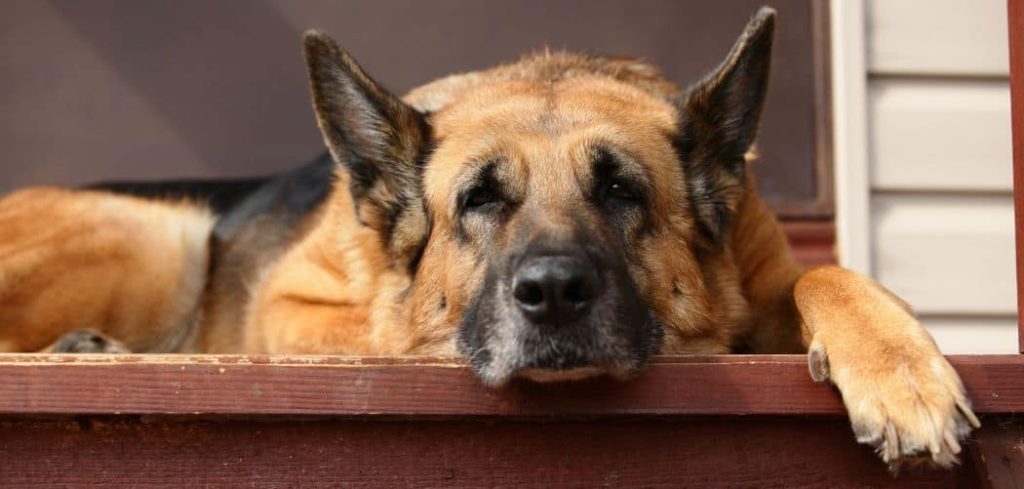
Why Skin Changes Are Common In Senior Dogs
As dogs age, their skin naturally becomes thinner, less elastic, and more prone to changes. Collagen production slows down, immune function weakens, and long-term exposure to environmental factors such as sun, allergens, and minor trauma accumulates over time.
This combination makes older dogs more likely to develop lumps, bumps, cysts, and growths. Some may appear suddenly, while others develop gradually over months.
The key factor is not just the presence of a pink bump, but how it behaves. Is it growing quickly? Does it bleed or ulcerate? Is your dog licking or scratching at it? These details help determine whether the bump is likely benign or something more concerning.
Old Dog Pink Bumps On Skin: Signs
Depending on the cause, you may notice additional signs along with the bumps.
- Small or large pink/red bumps on the skin
- Smooth, raised, or irregular surface
- Itching or scratching
- Licking or chewing at the area
- Hair loss around the bump
- Scabbing, crusting, or discharge
- Rapid growth or change in size
- Bleeding or ulceration (in severe cases)
Old Dog Pink Bumps On Skin: Common Causes
Lipomas
Lipomas are one of the most common benign tumors seen in senior dogs. Although they are typically soft and located beneath the skin, some may appear slightly pink if the overlying skin stretches.
A lipoma is composed of fat cells that form a soft, movable mass under the skin. They tend to grow slowly and are usually painless.
Many older dogs develop multiple lipomas over time, particularly in areas such as the chest, abdomen, or limbs.
While lipomas themselves are not dangerous, large ones can interfere with movement if they press against joints or muscles. Monitoring small lipomas for changes in size, texture, or firmness is required. Rapid growth or hardening warrants further evaluation to rule out more aggressive tumors.
Related: Old Dog Skin Problems (Signs, causes and treatment)
Sebaceous Cysts
Sebaceous cysts occur when oil glands in the skin become blocked. As sebum accumulates beneath the surface, a small raised bump forms. These cysts often appear pink or flesh-colored and may feel firm to the touch.
Over time, a cyst may rupture, releasing a thick, white or gray material. While generally benign, ruptured cysts can become inflamed or infected, causing redness, swelling, and discomfort.
Senior dogs are more prone to cyst formation because their skin glands may not function as efficiently as they once did. Treatment is often unnecessary unless the cyst becomes irritated, infected, or rapidly enlarges.
Skin Tags and Warts
Older dogs frequently develop small, pink, fleshy growths that resemble tiny flaps of skin. These may be skin tags or viral papillomas. Skin tags are typically soft, small, and harmless. They may dangle slightly from the surface of the skin and are often found in areas of friction such as the armpits or groin.
Warts, on the other hand, may have a rougher or cauliflower-like appearance. While many are benign, changes in color, size, or texture should be assessed by a veterinarian.
Although these growths are usually not painful, they can become irritated if repeatedly rubbed or scratched.
Related: Old dog warts bleeding (Causes and treatment)
Mast Cell Tumors
Mast cell tumors are among the most common malignant skin tumors in dogs, particularly in older individuals. These tumors can vary significantly in appearance, which is why they are sometimes called “the great pretender.”
A mast cell tumor may look like a small pink bump, a raised red mass, or even resemble a simple insect bite.
What makes them unique is that they can fluctuate in size due to the release of histamine and other inflammatory chemicals.
Some mast cell tumors remain localized and treatable with surgery, while others behave aggressively. Because their appearance is unpredictable, any new pink bump that grows quickly, changes in size, or becomes ulcerated should be evaluated with a fine needle aspiration test. Early detection significantly improves treatment outcomes.
Histiocytomas
Histiocytomas are benign tumors that arise from immune cells in the skin. Although more common in young dogs, they can occasionally appear in seniors. These growths often present as small, round, pink, hairless bumps.
They may grow rapidly over a few weeks and sometimes ulcerate before shrinking on their own. While generally harmless, histiocytomas can resemble more serious tumors, making veterinary evaluation important.
Because older dogs are at higher risk for malignant growths, any sudden pink bump should not automatically be assumed to be benign.
Infections
Bacterial infections beneath the skin can cause swollen, pink or red bumps that may feel warm or painful. These abscesses often result from minor wounds, insect bites, or foreign bodies embedded in the skin.
In older dogs, slower immune responses may allow infections to develop more easily. Abscesses can enlarge quickly and may eventually rupture, draining pus.
Prompt treatment with antibiotics and sometimes drainage is necessary to prevent deeper infection or systemic illness.
Allergic Reactions
Allergies can cause raised pink bumps or hives on the skin. In some cases, the bumps appear suddenly and may be accompanied by itching, redness, or swelling.
Senior dogs can develop new allergies even if they previously had no skin issues. Environmental allergens, flea bites, food sensitivities, or contact irritants may trigger inflammation.
Unlike tumors, allergic bumps often appear in clusters and may resolve once the allergen is removed or treated.
Squamous Cell Carcinoma
Squamous cell carcinoma is a type of skin cancer more commonly seen in older dogs. These tumors often develop in areas with less fur or increased sun exposure, such as the nose, ears, or belly.
They may begin as small pink or red bumps that gradually become crusted, ulcerated, or scaly. Unlike benign growths, they tend to invade surrounding tissue.
Early diagnosis and surgical removal offer the best prognosis, highlighting the importance of veterinary evaluation for persistent or changing bumps.
Warning Signs That Suggest A Serious Problem
While many pink bumps are harmless, certain characteristics warrant immediate attention. Rapid growth, bleeding, ulceration, firmness, or fixation to deeper tissue are concerning signs.
Behavioral changes such as lethargy, loss of appetite, or unexplained weight loss alongside a new skin growth may also signal systemic illness.
If your old dog is licking or scratching excessively at a bump, it may indicate discomfort or irritation that needs treatment.
Diagnosis of Skin Bumps In Senior Dogs
The first step in evaluating old dog pink bumps on skin is a thorough physical examination. Your veterinarian may perform a fine needle aspiration, which involves extracting cells from the bump using a small needle for microscopic evaluation.
In some cases, a biopsy may be recommended to determine whether the growth is benign or malignant. Imaging studies might be necessary if cancer is suspected to assess potential spread.
Because visual appearance alone cannot reliably distinguish benign from malignant tumors, diagnostic testing is crucial.
Old Dog Pink Bumps On Skin: Treatment
Treatment depends entirely on the diagnosis. Benign lipomas or skin tags may simply be monitored unless they interfere with movement or become irritated.
Infected cysts or abscesses require antibiotics and sometimes surgical drainage. Allergic reactions respond to antihistamines, steroids, or elimination of triggers.
Cancerous tumors often require surgical removal and, in some cases, additional therapies such as chemotherapy or radiation.
Early detection dramatically improves treatment success, particularly for malignant growths.
Monitoring Your Senior Dog’s Skin
Regularly checking your old dog’s skin can help you catch changes early. Run your hands gently over your dog’s body during grooming sessions. Take note of any new lumps, changes in size, or alterations in color.
Keeping a simple journal with dates and descriptions can help track growth patterns over time. Photographs can also be helpful when discussing changes with your veterinarian.
Key Takeaway
Pink bumps on an old dog’s skin are common, but they should never be ignored. While many growths are harmless signs of aging, others may indicate infection, inflammation, or cancer.
The most important step is early evaluation. When in doubt, schedule a veterinary appointment to assess any new or changing bump.
Acting immediately can provide peace of mind and ensure your senior dog stays healthy, comfortable, and protected throughout their golden years.


