
Noticing small red or pink bumps on your senior dog’s skin can be surprising — especially if they resemble pimples. While acne is commonly associated with young dogs or adolescents, old dog pimples can and do occur.
In senior dogs, these skin changes often point to underlying irritation, infection, hormonal shifts, or immune-related issues.
In this detailed guide, we outline the most common causes of old dog pimples, how they appear, and when veterinary care is necessary.
Table of Contents
Old Dog Pimples: Why It Happens
Pimples on an old dog are usually linked to skin infections, clogged pores, allergies, or age-related changes in the skin. With aging, a dog’s skin becomes thinner, less resilient, and more prone to irritation and infection. Hormonal imbalances, weakened immunity, parasites, and even tumors can also play a role.
Old dog pimples often develop because the skin’s natural defenses are not as strong as they used to be, making it easier for bacteria or yeast to cause inflammation.
In some cases, what looks like a simple pimple may actually be something more complex, which is why monitoring changes closely is important.
What Do Pimples On an Old Dog Look Like?
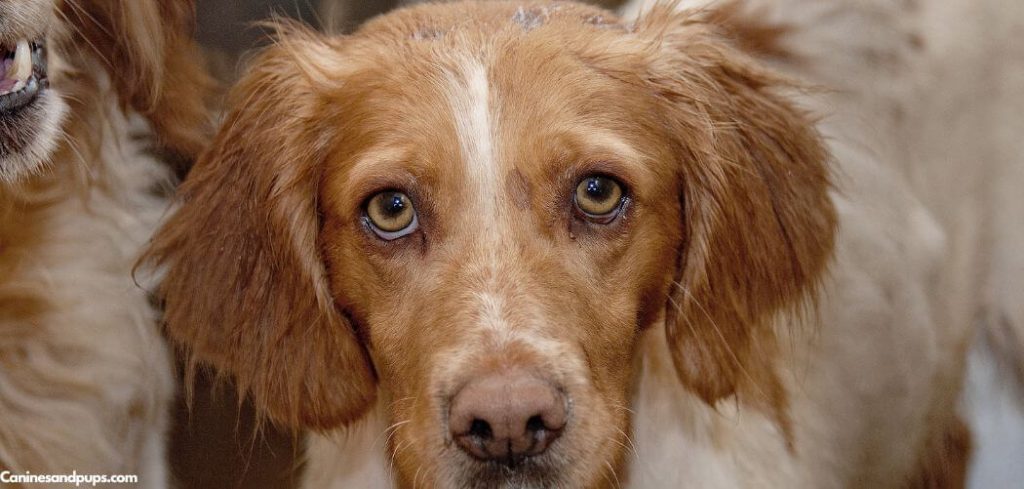
Old dog pimples often appear as small, raised red or pink bumps on the skin. They may have a white center filled with pus, similar to a human pimple. In some cases, they crust over or rupture, leaving behind scabs or small hairless patches.
These bumps may occur on the chin, muzzle, belly, groin, armpits, or back. Some dogs show mild redness only, while others develop clusters of inflamed spots that cause itching or discomfort.
Unlike large tumors or growths, pimples are usually superficial and associated with hair follicles.
However, because older dogs are at increased risk for both infections and tumors, it’s important not to assume that every bump is harmless.
Why Senior Dogs Develop Skin Changes More Easily
As dogs age, their skin undergoes structural changes. The outer layer becomes thinner and less elastic. Oil gland function may decline or become inconsistent. The immune system also becomes less efficient at fighting off bacteria and yeast that normally live on the skin’s surface.
These factors make senior dogs more susceptible to clogged follicles, infections, and inflammatory skin conditions. Minor irritations that a young dog might recover from quickly can linger or worsen in an older dog.
Additionally, chronic medical conditions such as diabetes or hormonal disorders can weaken the skin’s protective barrier, increasing the likelihood of breakouts.
Related: Old dog lumps and bumps (Causes and treatment)
Old Dog Pimples: Common Causes
Bacterial Folliculitis
One of the most common causes of old dog pimples is bacterial folliculitis. This condition occurs when bacteria infect hair follicles, causing inflammation and pus-filled bumps.
In senior dogs, folliculitis often develops secondary to another underlying issue, such as allergies, hormonal imbalance, or minor skin trauma.
The infection causes small red bumps that may develop white centers. As the condition progresses, crusting, hair loss, and scabbing can occur.
Because aging skin heals more slowly, bacterial infections may persist longer and require oral antibiotics rather than just topical treatment. Left untreated, folliculitis can spread across larger areas of the body.
Allergic Dermatitis
Allergies can cause inflammation that mimics acne-like breakouts. Environmental allergens, flea bites, or food sensitivities can trigger immune responses in the skin.
When the skin becomes inflamed, follicles clog more easily and bacteria multiply rapidly. The result can be small pimples or pustules, often accompanied by redness, itching, or excessive licking.
In older dogs, new allergies can develop even if no prior history exists. Chronic allergic inflammation weakens the skin barrier, making recurrent pimples more likely. Identifying and managing the underlying allergen is key to preventing repeat flare-ups.
Sebaceous Gland Disorders
Sebaceous glands produce oil that keeps the skin lubricated. In senior dogs, these glands may become overactive or blocked. When oil accumulates beneath the skin, small raised bumps can form.
Sometimes these appear as pimple-like lesions, while other times they resemble small cysts. If bacteria enter the clogged gland, secondary infection can occur, making the lesion red and inflamed.
Age-related changes in oil production can contribute to recurrent breakouts, especially in areas prone to friction.
Hormonal Imbalances
Hormonal disorders become more common in aging dogs. Conditions such as hypothyroidism or Cushing’s disease can significantly impact skin health.
Hormonal imbalances may alter skin thickness, hair growth cycles, and oil production. This creates an environment where bacteria and yeast can thrive.
The result may include acne-like bumps, thinning hair, hyperpigmentation, or recurrent skin infections.
Because these disorders affect the entire body, pimples may be only one of several signs. Lethargy, weight changes, or increased thirst may also be present. Blood testing is typically required for diagnosis.
Parasites
External parasites such as mites can cause inflammation that resembles pimples. Mite infestations irritate hair follicles and trigger localized immune responses.
In senior dogs with weakened immune systems, mite overgrowth may occur more easily. Pimples may be accompanied by redness, hair thinning, and mild to moderate itching.
Skin scrapings performed by a veterinarian help confirm parasitic involvement.
Fungal or Yeast Infections
Yeast organisms normally live on the skin in small amounts. However, when the skin’s balance is disrupted, yeast can overgrow and cause inflammation.
Yeast infections may present with red bumps, greasy skin, and a musty odor. In some cases, lesions resemble pimples or small pustules.
Senior dogs with endocrine disorders are particularly prone to recurrent yeast infections.
Skin Tumors That Look Like Pimples
Although true pimples are usually small and superficial, some skin tumors may initially resemble acne. Certain mast cell tumors or other small growths can appear as pink or red bumps.
Unlike typical pimples, tumors often do not resolve on their own and may gradually enlarge or change in appearance. Any bump that grows rapidly, bleeds, or fails to heal should be examined promptly.
Because older dogs are at higher risk for cancer, veterinary evaluation is especially important when new bumps appear.
Related: Old dog warts bleeding (Causes and treatment)
When Old Dog Pimples Are A Concern
A single small bump that resolves within a few days may not be serious. However, persistent, spreading, or recurring pimples require attention.
Warning signs include swelling, discharge, bleeding, foul odor, lethargy, appetite changes, or signs of pain. If the bumps continue appearing in the same location, it may indicate an underlying systemic issue rather than simple surface irritation.
Old Dog Pimples: Diagnosis and Treatment
Diagnosing the cause of old dog pimples involves more than visual inspection. A veterinarian may perform skin cytology to examine cells under a microscope. This helps identify bacteria, yeast, or inflammatory patterns.
Skin scrapings check for parasites, while blood tests evaluate hormonal or metabolic disorders. In cases where tumors are suspected, a fine needle aspiration or biopsy may be performed.
Because multiple conditions can look similar, diagnostic testing ensures accurate and effective treatment.
Treatment depends entirely on the underlying cause. Bacterial folliculitis often requires antibiotics and medicated shampoos. Allergies may need antihistamines, anti-inflammatory medication, or dietary adjustments.
Hormonal disorders require specific long-term management plans. Parasitic infections respond to targeted medications.
In cases involving tumors, surgical removal or further oncology evaluation may be necessary.
Supporting Healthy Skin In Senior Dogs
Regular grooming helps detect early skin changes. Gentle bathing with veterinarian-approved products can maintain skin balance. Avoid harsh shampoos that strip natural oils.
Balanced nutrition also supports immune health and skin integrity. Omega-3 fatty acids may improve coat quality and reduce inflammation under veterinary guidance.
Routine veterinary checkups allow early detection of systemic issues that may affect the skin.
Bottom Line
Pimples on an old dog may seem minor, but they often reflect deeper changes in aging skin or overall health. While many cases involve manageable infections or irritation, others may signal hormonal disorders or more serious conditions.
The key is careful monitoring and early evaluation. If your senior dog develops persistent or unusual bumps, schedule a veterinary visit.
Early diagnosis ensures proper treatment and helps keep your loyal companion comfortable throughout their golden years.


