
A persistent cough in an old dog can be alarming. While an occasional cough may be harmless, a cough that lingers for days or weeks often signals an underlying health issue that needs attention.
In this guide, we outline the most common causes of an old dog persistent cough, how to tell the difference between mild and serious problems, and when it’s time to call your veterinarian.
Table of Contents
Old Dog Persistent Cough: Why It Happens
A persistent cough in an old dog is usually caused by irritation or disease affecting the airways, lungs, or heart rather than a simple throat issue. As dogs age, structures in the chest—including the heart, lungs, and airways—become more vulnerable to chronic conditions.
A cough is the body’s way of trying to clear irritation or fluid, but when it continues over time, it often means there is an ongoing underlying problem such as inflammation, infection, or fluid buildup.
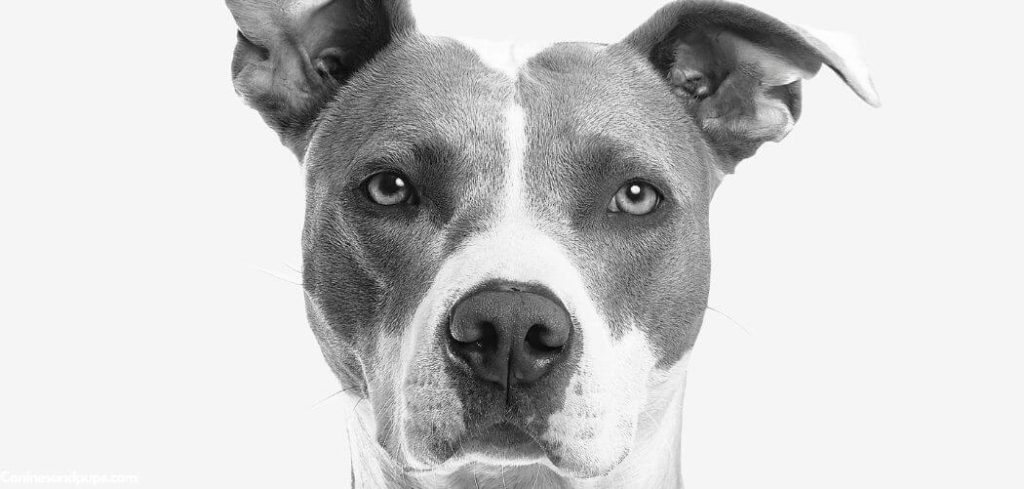
Why A Persistent Cough In An Old Dog Is Different
As dogs age, their immune systems weaken, their tissues lose elasticity, and chronic diseases become more common. A young dog might cough briefly due to irritation or mild infection and recover quickly. But in a senior dog, a persistent cough often points to a deeper, progressive condition.
Older dogs are particularly prone to heart disease, chronic bronchitis, airway collapse, and lung masses.
A cough that lasts longer than a week, worsens over time, or appears alongside other symptoms such as fatigue or breathing difficulty requires prompt evaluation.
The key is understanding what type of cough your dog has and what other changes you’re noticing.
Old Dog Persistent Cough: Symptoms
A chronic cough is often accompanied by other signs that help identify the cause.
Repeated coughing (dry, hacking, or moist)
Coughing at night or when lying down
Coughing after exercise or excitement
Gagging or retching after coughing
Labored or rapid breathing
Reduced stamina or exercise intolerance
Lethargy
Loss of appetite (in advanced cases)
Old Dog Persistent Cough: Common Causes
Heart Disease
One of the most common and serious causes of a persistent cough in older dogs is heart disease (Especially Congestive Heart Failure).
When the heart cannot pump efficiently, fluid can build up in or around the lungs. This fluid irritates the airways and triggers a cough, especially when your dog is lying down or resting.
Over time, the cough may become more frequent and may be accompanied by fatigue, rapid breathing, or reduced activity. This type of cough often worsens gradually and requires medical management.
Read more: Old Dog Heart Murmur Life Expectancy
Chronic Bronchitis
Chronic bronchitis is a long-term inflammation of the airways that leads to a persistent, dry cough.
The airways become irritated and produce excess mucus, making breathing less efficient.
Dogs with chronic bronchitis often have a daily cough that may worsen with exercise or excitement. While not always life-threatening, it requires ongoing management to prevent progression.
Tracheal Collapse
In some dogs—especially small breeds—the trachea (windpipe) can weaken and partially collapse.
This causes a characteristic dry, “honking” cough that may be triggered by excitement, pulling on a leash, or pressure on the neck.
In older dogs, this condition can worsen over time and lead to frequent coughing episodes.
Respiratory Infections
Bacterial or viral infections can cause inflammation in the airways and lungs, leading to coughing.
While infections are often temporary, older dogs may take longer to recover due to weaker immune systems.
If untreated, infections can develop into more serious conditions such as pneumonia.
Lung Disease or Tumors
Chronic lung disease or tumors can cause persistent coughing by affecting lung function or irritating surrounding tissues.
These conditions may develop gradually and are often accompanied by weight loss, lethargy, or breathing changes.
In senior dogs, tumors are an important consideration when coughing persists without clear explanation.
Allergies
Exposure to smoke, dust, pollen, or chemicals can irritate the airways and trigger coughing.
Older dogs may become more sensitive to environmental irritants over time.
This type of cough may vary depending on exposure and is often less severe than disease-related coughing, but still important to monitor.
Aspiration or Swallowing Issues
Older dogs may have difficulty swallowing properly, leading to food or liquid entering the airway.
This can cause coughing during or after eating and may increase the risk of aspiration pneumonia.
These issues are often linked to age-related muscle or neurological changes.
Read more: Old Dog Fluid Around Lungs (Signs to watch for)
What to Do If Your Old Dog Has a Persistent Cough
Start by observing the pattern of the cough—when it occurs, how often, and what it sounds like (dry, wet, or honking).
Note any triggers such as exercise, eating, or lying down.
Avoid exposing your dog to smoke, dust, or strong chemicals that could worsen irritation.
Keep your dog calm and avoid overexertion if coughing increases with activity.
Do not give human medications or cough remedies without veterinary guidance.
When to Call or Visit Your Vet
Call your veterinarian if your old dog’s cough lasts longer than 5–7 days, worsens over time, or is accompanied by breathing changes or behavioral shifts.
Seek immediate care if your dog has difficulty breathing, is lethargic, or coughs continuously.
If coughing is accompanied by reduced activity, appetite changes, or weight loss, a veterinary evaluation is essential.
Persistent coughing in older dogs is often linked to chronic conditions that require diagnosis and management.
Old Dog Persistent Cough: Treatment
Veterinary treatment depends on identifying the cause of the cough. Your vet may perform chest X-rays, blood tests, or heart evaluations to determine whether the issue is respiratory or cardiac.
Treatment may include medications to reduce inflammation, manage heart disease, or control infection.
In chronic conditions, long-term management is often necessary to keep symptoms under control.
Home Care And Support
While medical treatment addresses the root cause, supportive care at home plays a major role in managing an old dog persistent cough.
Using a harness instead of a collar reduces airway pressure. Maintaining a healthy weight minimizes respiratory strain. Avoiding smoke and strong scents can significantly reduce airway irritation.
Keeping your dog calm during coughing fits and ensuring a comfortable, stress-free environment can also help reduce flare-ups.
Key Takeaway
An old dog’s persistent cough is never something to dismiss as “just aging.” While some causes are manageable and mild, others can signal serious heart or lung disease.
The sooner you identify the cause, the better the chances of protecting your dog’s comfort and quality of life. If your senior dog’s cough is lingering or worsening, schedule a veterinary evaluation.
Acting early can make all the difference in helping your loyal companion breathe easier again.


