
When an older dog suddenly starts panting at night, it can be unsettling for any dog owner.
What may seem like simple restlessness can sometimes signal discomfort, pain, or an underlying health issue that deserves attention.
We explain the most common causes of nighttime panting in old dogs, what you can do at home, and when to involve your veterinarian.
Table of Contents
Old Dog Panting at Night — Why It Happens
An old dog panting at night is most often linked to pain, anxiety, temperature sensitivity, breathing problems, heart disease, or internal discomfort that becomes more noticeable during rest.
As dogs age, their ability to regulate body temperature, manage pain, and cope with stress naturally declines.
When external distractions fade at night, physical discomfort, breathing difficulties, or emotional distress can become more pronounced.
Changes in circulation, hormone balance, and organ function may also contribute. In many cases, nighttime panting reflects an underlying issue that deserves careful observation.
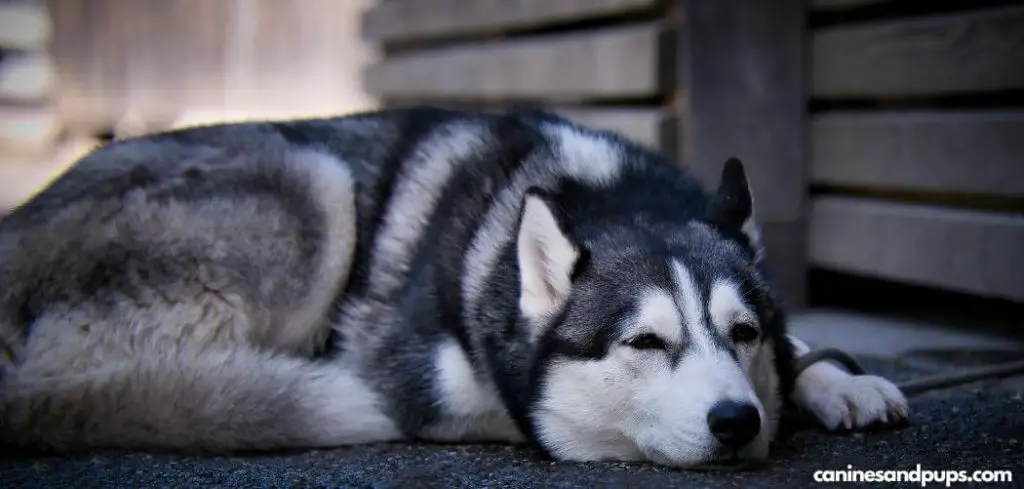
Old Dog Panting at Night: Common Causes
Chronic Pain and Arthritis
One of the most common reasons an older dog pants at night is chronic pain, especially from arthritis, joint degeneration, or spinal disease.
During the day, movement and activity may help mask discomfort, but when your dog lies down to rest, stiffness and inflammation often become more noticeable.
Pain triggers the release of stress hormones, which can increase breathing rate and cause panting even when your dog is not hot.
You may notice your dog shifting positions frequently, struggling to lie down, or hesitating to stand up. Some dogs may whimper softly or seem restless.
Untreated chronic pain can significantly reduce quality of life and lead to muscle loss, sleep deprivation, and behavioral changes.
Nighttime panting caused by pain often signals that pain management may need adjustment.
Related: Old dog panting excessively (Here’s why)
Heart Disease and Reduced Circulation
Heart disease is common in senior dogs and can quietly worsen over time. When the heart struggles to pump efficiently, oxygen delivery to tissues decreases, causing the body to work harder to compensate.
At night, when your dog lies flat, fluid may shift within the lungs or chest cavity, making breathing more difficult.
This can trigger panting, shallow breathing, or frequent position changes. Some dogs may prefer sleeping upright or with their head elevated.
Additional signs may include coughing, exercise intolerance, weakness, and pale gums.
Nighttime panting associated with heart disease is serious and often indicates disease progression that requires veterinary care.
Canine Cognitive Dysfunction (Dog Dementia)
Canine cognitive dysfunction is similar to Alzheimer’s disease in humans and affects many senior dogs. It causes changes in memory, awareness, and sleep patterns.
Dogs with cognitive decline may become confused at night, pace aimlessly, pant excessively, or appear anxious without an obvious cause. They may stare at walls, get stuck in corners, or seem unable to settle down.
This mental confusion can disrupt the normal sleep-wake cycle, leading to nighttime restlessness and panting. While dementia is not curable, early intervention can slow progression and improve comfort.
Anxiety
Older dogs are more prone to anxiety due to sensory decline, cognitive changes, and past experiences. Reduced vision and hearing can make nighttime environments feel unfamiliar and unsafe.
Some dogs develop separation anxiety, noise sensitivity, or generalized anxiety that becomes worse in quiet, dark conditions. Panting is a common physical response to emotional distress.
You may notice pacing, trembling, excessive licking, whining, or seeking constant reassurance. Anxiety-related panting can significantly interfere with sleep and overall well-being if left unaddressed.
Respiratory Disease and Airway Problems
Chronic respiratory conditions become more common with age and can contribute to nighttime panting. These include tracheal collapse, chronic bronchitis, laryngeal paralysis, and lung disease.
When your dog lies down, airway resistance may increase, making breathing more difficult.
Reduced oxygen levels trigger faster breathing and panting as the body attempts to compensate.
Signs may include coughing, noisy breathing, exercise intolerance, gagging, or blue-tinged gums in severe cases. Respiratory-related panting is medically significant and often requires long-term management.
Hormonal and Metabolic Disorders
Several endocrine disorders in older dogs can cause increased panting, especially at night. Conditions such as Cushing’s disease, diabetes, and thyroid disorders affect metabolism, fluid balance, and stress hormone levels.
Cushing’s disease, in particular, increases cortisol production, leading to excessive panting, increased thirst, muscle weakness, and abdominal enlargement. These symptoms may become more noticeable during rest.
Metabolic imbalances can place strain on multiple organs and worsen over time. Persistent panting related to hormonal disorders should never be ignored.
Related: Old dog making weird breathing noise (Possible causes)
Old Dog Panting at Night: What to Do
Start by closely observing your dog’s behavior, breathing pattern, and sleeping habits. Take note of when the panting begins, how long it lasts, and whether other symptoms appear. This information is valuable for your veterinarian.
Make your dog’s sleeping area as comfortable as possible. Provide a supportive orthopedic bed, keep the room cool and well-ventilated, and ensure easy access to water. Avoid placing the bed in drafty or noisy areas.
Maintain a consistent evening routine. Gentle walks, calm interaction, and predictable bedtime habits can reduce anxiety and promote relaxation. Avoid stimulating activities close to bedtime.
If your dog has known joint pain, discuss pain management options with your veterinarian. Never give human pain medications, as many are toxic to dogs. Prescription pain relief and supplements may improve nighttime comfort.
Support emotional well-being by offering reassurance without reinforcing anxiety. Soft lighting, calming music, or pheromone diffusers may help some dogs feel more secure at night.
When to Call or Visit Your Veterinarian
Contact your veterinarian promptly if nighttime panting is new, sudden, or worsening. Rapid changes in breathing patterns often signal underlying disease.
Seek immediate care if panting is accompanied by labored breathing, blue or pale gums, collapse, coughing up fluid, or extreme weakness. These may indicate heart or lung emergencies.
Schedule a veterinary visit if your dog shows persistent restlessness, confusion, loss of appetite, weight loss, or behavioral changes. These signs may point to cognitive or systemic illness.
If panting interferes with sleep for several nights in a row, professional evaluation is recommended. Chronic sleep disruption can harm both physical and mental health.
Any combination of panting with vomiting, diarrhea, fever, swelling, or severe pain warrants urgent veterinary assessment.
Related: Old Dog Seizures (Causes and what to do)
Key Takeaway
Nighttime panting in an old dog is often a sign of pain, heart disease, anxiety, cognitive decline, respiratory problems, or metabolic imbalance. While occasional panting may be harmless, persistent or worsening symptoms should never be ignored.
By providing comfort, maintaining routine, and seeking timely veterinary care, you can greatly improve your senior dog’s quality of life.
Paying attention to subtle nighttime changes may help catch serious health issues early and ensure your dog remains comfortable, safe, and well-supported in their later years.