
Watching your old dog struggle to sleep at night can be heartbreaking and exhausting for both of you.
When a senior dog becomes restless, paces, whines, or wakes frequently after dark, it often signals that something deeper may be affecting their comfort or health.
Table of Contents
Old Dog Not Sleeping at Night: Why It Happens
An old dog not sleeping at night is usually caused by a combination of physical discomfort, cognitive changes, and underlying medical conditions that interfere with normal rest patterns.
As dogs age, pain from arthritis, changes in brain function, hormonal imbalances, and organ disease can disrupt their sleep-wake cycle.
Anxiety, sensory decline, and increased nighttime urination may also play a role. In many cases, several of these factors occur at once, making nighttime rest increasingly difficult for senior dogs.
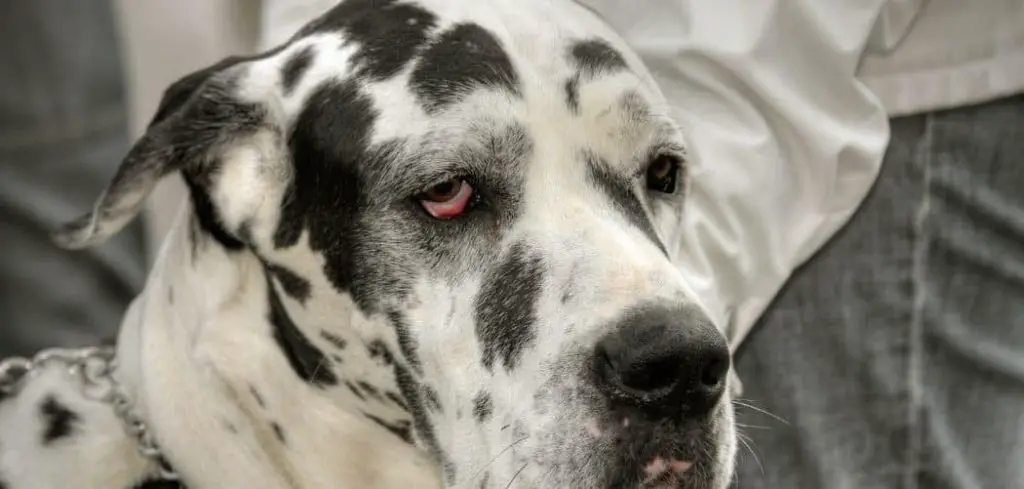
Old Dog Not Sleeping at Night: Common Causes
Canine Cognitive Dysfunction (Dog Dementia)
Canine cognitive dysfunction is one of the most common causes of nighttime restlessness in senior dogs. This condition is similar to Alzheimer’s disease in humans and affects memory, awareness, and normal behavior patterns.
Dogs with cognitive decline often become confused after dark. They may forget where they are, pace aimlessly, stare at walls, or seem disoriented in familiar spaces.
Their internal clock becomes disrupted, leading to sleeping more during the day and remaining awake at night.
As the brain ages, chemical changes interfere with normal sleep regulation. This causes fragmented sleep, frequent waking, and nighttime vocalization.
Without treatment, these symptoms often worsen over time and can severely impact quality of life.
Read more: Old Dog Wanders at Night (Understanding senior confusion)
Arthritis and Chronic Joint Pain
Joint pain is extremely common in older dogs and is a major reason they struggle to sleep comfortably.
Arthritis causes inflammation, stiffness, and reduced mobility, which become more noticeable when a dog lies down for long periods.
At night, joints cool and stiffen, making it painful to change positions. Your dog may repeatedly stand up, reposition, or pace in an attempt to find comfort. Some dogs whimper, lick their joints, or avoid lying down altogether.
Chronic pain also prevents deep, restorative sleep. Even if your dog appears to rest, they may never fully relax due to ongoing discomfort. Over time, this leads to fatigue, irritability, and worsening mobility.
Kidney Disease and Increased Urination
Chronic kidney disease is common in senior dogs and often affects sleep due to frequent urination.
As kidneys lose function, they cannot properly concentrate urine, causing dogs to drink and urinate more.
At night, this leads to repeated urges to go outside. Your dog may wake you frequently, pace near the door, or have accidents indoors. The discomfort of a full bladder can also prevent them from settling.
Kidney disease may also cause nausea, weakness, and restlessness, further disrupting sleep. Without treatment, nighttime symptoms usually become more severe.
Heart Disease and Breathing Difficulties
Heart disease can interfere with sleep by affecting oxygen delivery and fluid balance in the body. As the heart weakens, fluid may build up in the lungs, making breathing more difficult when lying down.
Dogs with heart problems may cough at night, breathe rapidly, or sit upright to breathe more easily.
They often change positions frequently or avoid lying flat. This constant effort to breathe prevents proper rest.
Poor circulation can also cause fatigue and discomfort, leading to increased nighttime movement. Heart disease is progressive and requires ongoing veterinary management.
Stress
Older dogs often become more anxious as their hearing, vision, and awareness decline. Sounds, shadows, or unfamiliar sensations at night may feel threatening or confusing.
Some dogs develop separation anxiety as they age, becoming distressed when left alone in another room. Others may feel insecure in darkness and seek constant reassurance.
Nighttime anxiety leads to pacing, whining, barking, or seeking attention. Over time, chronic stress worsens sleep quality and may contribute to other health problems.
Digestive Upset and Internal Discomfort
Gastrointestinal problems such as acid reflux, gastritis, constipation, or bloating can cause nighttime discomfort. These issues often worsen when a dog lies down.
Your dog may wake up due to nausea, stomach pain, or the urge to vomit. They may swallow repeatedly, lick their lips, or appear restless.
Digestive problems are especially common in older dogs with sensitive stomachs, food intolerances, or chronic organ disease. Without proper treatment, sleep disruption often continues.
Read more: Old Dog Panting at Night (Is it something serious?)
Old Dog Not Sleeping at Night: What to Do
Start by creating a comfortable, supportive sleeping environment. Provide a thick orthopedic bed that cushions joints and supports aging muscles. Keep the sleeping area warm, quiet, and free from drafts.
Maintain a consistent daily routine. Regular feeding, walks, and bedtime schedules help regulate your dog’s internal clock. Gentle evening exercise can help reduce restlessness while avoiding overexertion.
Monitor your dog’s comfort closely. If you notice stiffness, limping, or reluctance to lie down, discuss pain management options with your veterinarian. Never give human pain medication without approval.
Offer calm reassurance at night without reinforcing anxiety. Sit quietly with your dog, speak softly, and avoid overstimulation. Nightlights may help dogs with vision loss feel more secure.
Support overall health with proper nutrition, hydration, and age-appropriate supplements if recommended by your vet. Managing underlying disease often leads to better sleep naturally.
When to Call or Visit Your Veterinarian
Contact your veterinarian if nighttime restlessness appears suddenly or worsens rapidly. Sudden changes may indicate serious medical problems.
Seek immediate care if your dog shows labored breathing, persistent coughing, collapse, severe weakness, or signs of extreme pain.
Make an appointment if sleep problems are accompanied by weight loss, vomiting, diarrhea, increased thirst, frequent urination, or behavioral changes.
Consult your vet if your dog seems confused, disoriented, or forgetful, as this may indicate cognitive dysfunction that benefits from early treatment.
If home comfort measures do not improve sleep within a few weeks, professional evaluation is necessary to identify hidden health issues.
Related: Old dog seizures (Causes and what to do)
Key Takeaway
An old dog not sleeping at night is often a sign that physical discomfort, cognitive changes, or chronic illness is affecting their well-being. While aging naturally brings changes, persistent restlessness should never be ignored.
With proper veterinary care, pain management, emotional support, and environmental adjustments, many senior dogs can regain peaceful, restorative sleep.
Paying close attention to nighttime behavior helps you protect your dog’s comfort, dignity, and quality of life in their golden years.