
When an older dog suddenly stops urinating or produces very little urine, it can be extremely alarming.
Even if your dog seems calm or otherwise normal, not peeing can become dangerous in a short time, this symptom should never be ignored.
How Often Should Your Dog Pee?
Most healthy adult dogs need to urinate every 6–10 hours, which usually means 3–5 times per day.
Puppies and senior dogs have less bladder control and typically need to pee every 4–6 hours or more often.
Factors like water intake, diet (dry vs. wet food), activity level, weather, and medical conditions can all affect how often a dog urinates.
If your dog suddenly starts peeing much more or much less than usual, or goes 12 hours or longer without urinating, it’s important to have them checked by a veterinarian.
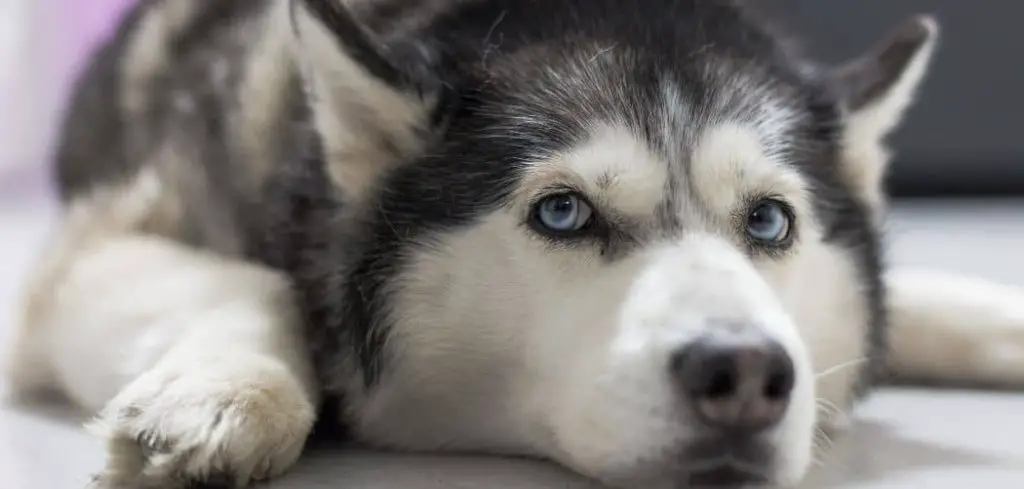
Old Dog Not Peeing: Signs
Signs that an older dog is not urinating include going unusually long periods without peeing, repeated attempts to squat or lift a leg with little or no urine produced, and straining or posturing without success.
You may notice restlessness, pacing, or signs of discomfort such as whining or licking the genital area.
Some senior dogs show abdominal tightness, bloating, or sensitivity when touched, while others appear lethargic or nauseous as toxins build up.
Even if an old dog seems otherwise normal, lack of urination is a serious warning sign and requires prompt veterinary attention.
Old Dog Not Peeing: Why It Happens
An old dog not peeing is most often caused by urinary tract obstruction, bladder dysfunction, kidney disease, dehydration, neurological problems, or severe pain that interferes with normal urination.
As dogs age, muscles that control the bladder weaken, and the risk of stones, tumors, and infections increases.
Reduced kidney function may also limit urine production. In some cases, stress, medications, or spinal disease prevent proper bladder emptying.
Read more: Old Dog Urine Smells Bad (Signs of infection)
Old Dog Not Peeing: Common Causes
Urinary Tract Obstruction
One of the most dangerous causes of reduced urination in older dogs is blockage of the urethra. Stones, mineral crystals, blood clots, or tumors can partially or completely block urine flow.
Dogs with obstruction often strain repeatedly, squat without producing urine, cry while attempting to pee, or lick their genitals excessively. The abdomen may become firm and painful as the bladder fills.
This condition is life-threatening because toxins rapidly build up in the bloodstream when urine cannot exit the body, leading to kidney failure and shock.
Chronic Kidney Disease
Chronic kidney disease is common in senior dogs and gradually impairs the kidneys’ ability to filter waste and regulate fluids.
In early stages, dogs may urinate more. In advanced stages, urine production may decrease as kidney tissue fails. Appetite loss, vomiting, weight loss, and bad breath often accompany changes in urination.
This condition is serious because kidney damage is irreversible and requires lifelong management.
Dehydration and Fluid Imbalance
Older dogs are more vulnerable to dehydration due to reduced thirst, dental pain, illness, or medication side effects.
When the body lacks adequate fluids, the kidneys conserve water by producing less urine. Dogs may have dry gums, sunken eyes, weakness, and lethargy.
Severe dehydration reduces blood flow to the kidneys and can trigger organ failure if untreated.
Bladder Muscle Weakness and Atony
With aging, the muscles that contract the bladder may weaken or lose coordination, especially after prolonged illness or surgery.
Dogs with bladder atony may try to urinate but cannot generate enough pressure. The bladder remains overly full, leading to discomfort and incomplete emptying.
Chronic retention increases the risk of infection, bladder damage, and kidney reflux.
Neurological Disorders and Spinal Disease
Nerve damage from disc disease, spinal tumors, degenerative myelopathy, or strokes can interfere with bladder control.
Affected dogs may not sense bladder fullness or may be unable to relax urinary sphincters. They may alternate between retention and leakage.
Neurological causes are serious because they often worsen without treatment and affect mobility and quality of life.
Pain
Severe joint pain, hip dysplasia, or spinal arthritis may make it difficult for older dogs to assume a proper urination posture.
Dogs may avoid squatting due to discomfort and delay urination. Over time, this leads to bladder overfilling and distress.
Untreated pain contributes to secondary urinary complications and declining mobility.
Read more: Old Dog Peeing in Bed (Why it happens)
Is It an Emergency if My Dog is Not peeing?
Yes, it can be an emergency if your dog is not peeing, especially in certain situations.
If your dog has gone 12–24 hours without urinating, is straining but producing little or no urine, appears restless, painful, lethargic, vomiting, or has a swollen or firm abdomen, this is an emergency and requires immediate veterinary care.
Complete urinary blockage can cause toxins to build up quickly and may become life-threatening within hours, particularly in male dogs and senior dogs.
If your dog seems comfortable and has only missed one normal potty break, close monitoring may be appropriate—but any continued inability to urinate, reduced urine output, or behavior changes should be treated as urgent.
When to Call or Visit Your Veterinarian
Seek emergency veterinary care immediately if your dog cannot urinate at all, is straining repeatedly, or appears in pain.
Contact your vet urgently if your dog has a swollen abdomen, vomiting, collapse, or extreme lethargy.
Schedule prompt evaluation if urination is reduced for more than twelve hours, even without pain.
Call your vet if your dog has blood in the urine, fever, appetite loss, or sudden behavior changes.
Dogs with known kidney disease, bladder stones, or neurological disorders should be monitored closely.
Related: Old dog peeing blood (Causes Explained)
Old Dog Not Peeing: Treatment
Treatment for an older dog that is not urinating focuses on rapid stabilization and correcting the underlying cause, as this condition can quickly become life-threatening.
A veterinarian will first assess hydration and bladder size, then run urinalysis, blood tests, and imaging (X-rays or ultrasound) to determine whether the problem is due to urinary blockage, infection, bladder stones, kidney disease, prostate issues, or neurological dysfunction.
Immediate treatment may include urinary catheterization to relieve obstruction, IV fluids to support kidney function, and pain relief or anti-inflammatory medications.
If infection or inflammation is present, targeted antibiotics are prescribed, and in cases of stones, tumors, or prostate enlargement, surgical or long-term medical management may be necessary.
Immediate veterinary care is critical, as delayed treatment can lead to kidney failure, bladder rupture, or systemic illness in senior dogs.
Prevention: How to prevent urinary problems in older dogs
Preventing urinary problems in older dogs focuses on early detection, hydration, and routine care.
Ensure your dog has constant access to fresh water and encourage regular bathroom breaks, especially for seniors who may hold urine longer.
Feed a balanced diet appropriate for your dog’s age and health, and follow veterinary recommendations for prescription urinary diets if your dog has a history of bladder issues.
Schedule regular veterinary checkups with urine testing to catch infections, kidney disease, or crystal formation early.
Keep your dog at a healthy weight, maintain daily gentle exercise to support bladder function, and watch closely for changes in urination habits, odor, or frequency—early intervention is key to preventing serious urinary complications in older dogs.
Key Takeaway
An old dog not peeing is a serious medical warning sign that often involves urinary obstruction, kidney disease, dehydration, nerve damage, or pain-related difficulty.
Because urine retention can become life-threatening within hours, early veterinary care is essential.
With prompt diagnosis, supportive care, and proper management, many senior dogs can regain comfort and urinary function. Paying attention to subtle changes helps protect your dog’s health and longevity.