
Finding new moles on an old dog can be unsettling, especially when they appear suddenly or change in size.
Many moles are harmless, but aging skin is more vulnerable to growths that deserve careful monitoring.
Old Dog Moles: Why It Happens
Moles in old dogs develop primarily due to age-related skin changes, prolonged sun exposure, and slower cellular repair.
As dogs age, their skin cells regenerate less efficiently, making benign growths more common.
Hormonal shifts, genetic predisposition, and immune system decline also play a role. While most moles are noncancerous, changes in appearance can signal more serious skin disease.
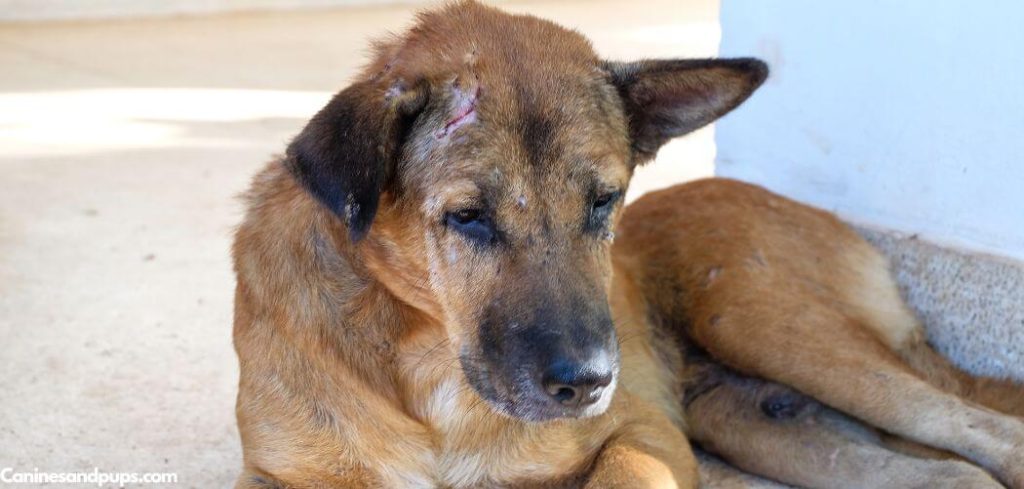
Old Dog Moles: Symptoms
Moles in older dogs are common skin growths that often appear as they age. Many are benign, but it’s important to monitor them for any changes that could indicate a more serious issue. Signs of moles include:
Small, dark or pigmented spots on the skin
Raised or slightly bumpy growths
Moles that slowly increase in size over time
Changes in color, shape, or texture
Occasional irritation, redness, or scabbing
Bleeding or discharge in more concerning cases
Old Dog Moles: Common Causes
Skin Changes
As dogs age, their skin becomes thinner and less elastic. Cell turnover slows, increasing the likelihood of benign pigment clusters forming on the skin.
These age-related moles often develop gradually and are usually painless. They tend to appear on the face, trunk, or limbs and may increase in number over time.
Related: Old Dog Skin Problems (Common senior dog skin problems)
Benign Skin Tumors
Many moles in senior dogs are actually benign tumors such as melanocytomas or sebaceous growths. These form when skin cells multiply abnormally but remain non-invasive.
Benign tumors typically grow slowly and do not spread. However, they can still cause irritation if located in high-friction areas like the neck, armpits, or groin.
Sun Exposure
Long-term sun exposure can damage skin cells and contribute to mole formation, especially in dogs with light skin or sparse fur.
Moles caused by sun damage often appear on exposed areas such as the belly, ears, and nose.
Chronic sun exposure also increases the risk of malignant transformation, making monitoring essential.
Read more: Old Dog Lumps and Bumps (How to tell benign from serious)
Hormonal Imbalances
Hormonal disorders common in older dogs can affect skin health and pigment production. Changes in hormone levels may stimulate abnormal skin growth.
Dogs with hormonal causes may also show hair thinning, changes in coat texture, or darkened patches of skin alongside new moles.
Immune System Changes
The immune system weakens with age, reducing the body’s ability to regulate abnormal cell growth. This allows harmless growths to form more easily.
When immune-related, moles may appear alongside frequent infections, slow wound healing, or other skin abnormalities.
Malignant Skin Cancer
Although less common, some moles in old dogs can be cancerous. Melanoma and other skin cancers can initially resemble harmless moles.
Cancerous moles often grow rapidly, change color, bleed, ulcerate, or become painful. Early detection significantly improves outcomes.
Read more: Old Dog Warts (What’s normal and what’s not)
What to Do If Your Old Dog Has Moles
Begin by routinely checking your dog’s skin during grooming or petting. Familiarity helps you notice subtle changes early.
Keep a record of new moles, noting size, color, and location. Photos can be useful for tracking changes over time.
Prevent excessive sun exposure, especially for light-skinned dogs. Shaded areas and limited sunbathing help protect aging skin.
Avoid picking, squeezing, or treating moles at home. Irritation can worsen inflammation or mask serious issues.
Schedule regular veterinary exams to ensure suspicious moles are assessed promptly and accurately.
When to Call or Visit Your Vet
Contact your veterinarian if a mole grows quickly, changes shape, or darkens unevenly.
Seek evaluation if a mole bleeds, scabs repeatedly, becomes painful, or develops an open sore.
Any mole accompanied by weight loss, lethargy, or appetite changes should be examined without delay.
When in doubt, it’s always safer to have a mole professionally evaluated rather than assume it is harmless.
Old Dog Moles: Treatment
Treatment depends on whether the mole is benign or suspicious. Your vet may perform a fine needle aspiration or biopsy to determine the nature of the growth.
Benign moles are often left alone and simply monitored for changes. If a mole becomes irritated, grows rapidly, or shows signs of cancer, surgical removal is usually recommended.
Regular skin checks and early evaluation are key, as identifying problematic growths early can lead to better outcomes and simpler treatment.
Key Takeaway
Moles are common in old dogs and are often benign signs of aging skin. However, not all moles are harmless, and changes should never be ignored.
Regular monitoring and timely veterinary evaluation help ensure skin issues are caught early. With attentive care, most senior dogs with moles remain comfortable and healthy.