
Lung disease in old dogs can significantly affect their breathing, energy levels, and overall quality of life.
Whether your senior dog is coughing, wheezing, or showing signs of labored breathing, these symptoms should never be ignored.
Table of Contents
Old Dog Lung Disease
Lung disease in dogs is a broad term that refers to any condition that affects the lungs and interferes with normal breathing and oxygen exchange. It can range from infections (like pneumonia), to chronic inflammatory conditions (such as chronic bronchitis), to structural or degenerative diseases (like pulmonary fibrosis), and even cancers that develop in the lungs.
Common signs of lung disease include:
- Persistent coughing
- Difficulty breathing
- Wheezing
- Rapid breathing
- Fatigue
- Reduced exercise tolerance
Lung disease in old dogs often develops due to age-related wear on the respiratory system, making them more vulnerable to conditions such as chronic bronchitis, pneumonia, lung cancer, or pulmonary fibrosis.
Infections, long-term exposure to irritants, or underlying heart disease can also contribute to breathing problems and lung damage.
Because older dogs have weaker immune systems, they may struggle to fight off even minor respiratory issues, which can then progress into chronic disease.
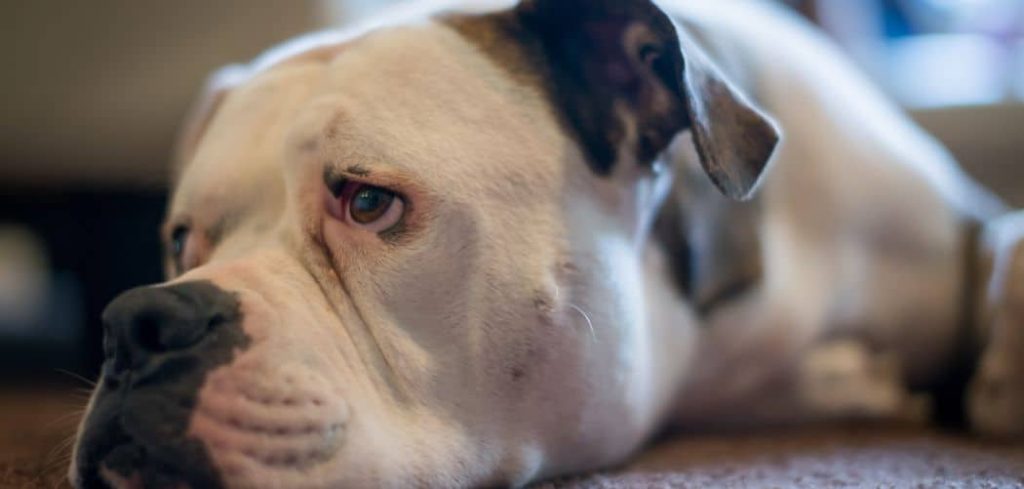
Older Dog Lung Problems
Older dog lung problems refer to conditions that affect breathing and oxygen exchange, such as chronic bronchitis, pneumonia, collapsing airways, pulmonary fibrosis, or lung tumors.
These conditions often cause symptoms like coughing, fast or labored breathing, reduced stamina, wheezing, or gagging.
In senior dogs, lung function naturally becomes less efficient, making them more vulnerable to respiratory disease.
Because breathing is essential for oxygen delivery, any persistent coughing or difficulty breathing in an older dog should be taken seriously and evaluated immediately.
Old Dog Lung Disease Stages
Lung disease in older dogs often progresses gradually from mild to severe.
In early stages, dogs may only show occasional coughing or mild exercise intolerance. As the disease advances, symptoms may include frequent coughing, noticeable breathing difficulty at rest, fatigue, and reduced activity levels.
In late stages, dogs may struggle to breathe comfortably even at rest and may show signs of oxygen deprivation, such as blue-tinged gums or collapse.
Progression depends on the underlying cause, and early diagnosis can slow worsening and improve quality of life significantly.
Old Dog Lung Disease Life Expectancy
Life expectancy for a dog with lung disease depends heavily on the type and severity of the condition.
Chronic bronchitis and mild airway disease can often be managed for years with medication and lifestyle adjustments. However, progressive conditions like lung cancer or severe pulmonary fibrosis may significantly shorten life expectancy.
With proper veterinary care, many dogs can maintain a good quality of life for months to years, but advanced disease stages may require ongoing supportive care and quality-of-life decisions guided by a veterinarian.
Old Dog Lung Disease: Common Causes
Chronic Bronchitis
Chronic bronchitis is a long-term inflammation of the airways that leads to persistent coughing and difficulty breathing.
In older dogs, this condition can gradually reduce oxygen intake and tire them quickly during activity.
Signs include a honking cough, exercise intolerance, and occasional wheezing. Managing chronic bronchitis often requires medication, lifestyle adjustments, and monitoring for complications.
Read more: Old Dog Breathing Heavy and Fast (Why it happens)
Pneumonia
Pneumonia occurs when the lungs become infected and inflamed, which can be caused by bacteria, viruses, or aspiration of food or liquids.
This condition can be particularly dangerous in senior dogs, leading to reduced oxygenation and systemic illness.
Symptoms include coughing, fever, lethargy, rapid or labored breathing, and nasal discharge. Prompt veterinary treatment is essential to prevent severe respiratory distress.
Pulmonary Fibrosis
Pulmonary fibrosis involves scarring of lung tissue, which stiffens the lungs and makes breathing more laborious.
This progressive disease commonly affects older dogs and may present as a persistent cough, exercise intolerance, or a reluctance to be active.
Early recognition and supportive care can slow progression and improve comfort, though fibrosis is generally irreversible.
Heart Disease Impacting Lungs
Heart conditions, such as congestive heart failure, can indirectly cause lung disease through fluid accumulation (pulmonary edema).
This fluid makes breathing difficult and can lead to persistent coughing, fatigue, and intolerance to exercise.
Observing these signs early allows for interventions such as medications and dietary adjustments to support both heart and lung function.
Related: Old Dog Heart Murmur Life Expectancy
Cancer of the Lungs
Lung tumors or metastatic cancer can compromise respiratory function in senior dogs. Symptoms may include persistent coughing, labored breathing, weight loss, and lethargy.
While treatment options may vary based on the type and stage of cancer, early detection can improve management strategies and quality of life for affected dogs.
Exposure to Environmental Irritants
Long-term exposure to smoke, dust, chemicals, or allergens can contribute to chronic respiratory problems in older dogs.
Signs often include coughing, wheezing, nasal discharge, or difficulty breathing during exertion.
Limiting exposure and improving indoor air quality can help reduce the risk and severity of lung issues.
What to Do If Your Old Dog Has Lung Disease
Provide a calm and smoke-free environment to reduce respiratory strain and irritation.
Encourage gentle, low-impact activity to maintain cardiovascular and muscular health without overexerting the lungs.
Ensure proper hydration and nutrition to support overall health and immune function, which can help combat infections or inflammation.
Monitor your dog’s breathing, coughing, and energy levels, noting any changes or worsening symptoms.
Work closely with your veterinarian to implement prescribed medications, oxygen therapy, or supportive care as needed to improve comfort and quality of life.
When to Call or Visit Your Vet
Seek immediate veterinary attention if your dog is experiencing severe coughing, gasping for air, blue-tinged gums, or collapse.
Persistent or worsening breathing difficulty, lethargy, and reduced appetite are signs that require prompt evaluation.
Any sudden change in respiratory function, coughing blood, or high fever should be treated as an emergency.
Because many different illnesses fall under “lung disease,” a veterinary diagnosis—often involving X-rays, bloodwork, or other tests—is needed to identify the exact cause and begin the right treatment.
Early intervention can prevent further lung damage, manage discomfort, and improve outcomes in senior dogs.
Read more: Old Dog Coughing Persistently (When It’s More Than a Cold)
Key Takeaway
Lung disease in old dogs can arise from chronic bronchitis, pneumonia, pulmonary fibrosis, heart disease, cancer, or environmental exposure.
Supporting your senior dog with a safe, smoke-free environment, gentle activity, proper nutrition, and timely veterinary care is crucial for maintaining breathing comfort and overall health.
Early recognition and proactive management allow older dogs to remain active, comfortable, and happy in their golden years.


