
Losing weight and muscle mass in an old dog can signal underlying health issues that require attention. While some gradual changes are normal with aging, rapid or noticeable loss often indicates health problems.
We outline the common causes of weight and muscle loss in old dogs and when veterinary attention is necessary.
Table of Contents
Old Dog Losing Weight and Muscle Mass: Why It Happens
An old dog losing weight and muscle mass can be a normal part of aging, but significant or rapid changes may indicate an underlying health problem.
As dogs age, their metabolism slows and they naturally lose muscle tone, but significant or rapid weight and muscle loss is often linked to problems such as dental disease (making it painful to eat), chronic illnesses like kidney or liver disease, diabetes, cancer, or malnutrition from not absorbing nutrients properly.
Arthritis or reduced mobility can also contribute, since less activity accelerates muscle loss.
Is It Normal for a Senior Dog to Get Skinny?
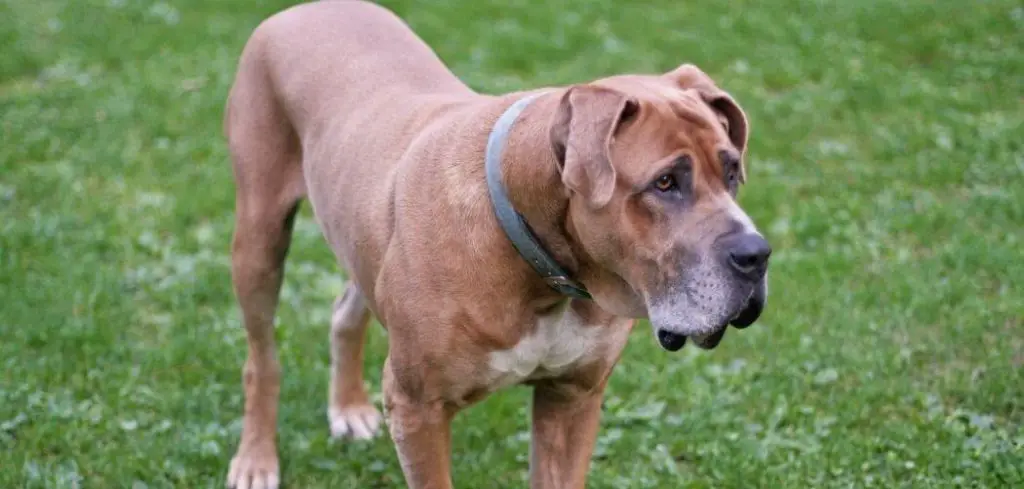
It is common for senior dogs to become leaner as they age, but a dog becoming noticeably skinny is not always considered normal.
Older dogs may naturally lose some muscle and body condition, but visible ribs, a prominent spine, or a sudden drop in weight can be signs of an underlying issue.
Aging changes should happen gradually, and a healthy senior dog should still maintain an appropriate body condition.
If your older dog is losing weight despite a normal diet, a veterinary checkup can help identify possible causes.
Old Dog Losing Weight but Acting Normal
An old dog losing weight but acting normal may still have an early health problem that is not yet causing obvious symptoms.
Dogs often hide discomfort, and some diseases progress quietly before affecting behavior or energy levels.
Gradual weight loss may occur with aging, but unexplained weight changes can also be associated with dental issues, organ disease, digestive problems, or other medical conditions.
Monitoring your dog’s weight, appetite, drinking habits, and activity level can help identify changes early.
Old Dog Losing Weight and Muscle Mass: Common Causes
Age-Related Muscle Loss (Sarcopenia)
As dogs age, natural muscle loss, or sarcopenia, becomes common. Older dogs may lose strength and tone even without changes in activity or diet.
Signs include thinner limbs, reduced stamina, and difficulty rising or climbing stairs. While part of normal aging, sarcopenia can worsen if combined with reduced nutrition or chronic illness, leading to decreased mobility and quality of life.
Read more: Old Dog Losing Weight (What it means)
Reduced Appetite
Older dogs may eat less due to dental discomfort, decreased sense of smell, or changes in metabolism.
Reduced food intake results in gradual weight and muscle loss. You might notice selective eating, dropping food, or reluctance to eat certain textures.
Persistent appetite loss is concerning because it can lead to malnutrition, further muscle wasting, and weakened immunity.
Chronic Illness
Conditions such as kidney disease, liver disease, diabetes, or cancer often cause unexplained weight and muscle loss.
These illnesses interfere with nutrient absorption, increase metabolism, or reduce appetite. Signs may include lethargy, vomiting, diarrhea, increased thirst, or behavioral changes.
Detecting chronic illness early is critical for treatment and maintaining your dog’s strength.
Hormonal Disorders
Hypothyroidism or Cushing’s disease can contribute to muscle wasting and weight changes in senior dogs.
Hypothyroidism slows metabolism and may cause hair loss, lethargy, and weakness.
Cushing’s disease often causes muscle thinning, increased appetite, and abdominal enlargement. Early detection allows for medical management that can stabilize weight and muscle mass.
Malabsorption or Digestive Problems
Gastrointestinal issues like inflammatory bowel disease, exocrine pancreatic insufficiency, or food sensitivities prevent proper nutrient absorption.
Dogs with malabsorption may lose weight and muscle despite eating normally.
Signs include diarrhea, greasy stools, bloating, and flatulence. Untreated malabsorption can lead to severe nutrient deficiencies and further muscle wasting.
Arthritis and Reduced Activity
Painful joints or mobility issues may reduce a dog’s activity levels, leading to muscle atrophy. Even if the dog maintains appetite, lack of movement prevents muscle maintenance.
Owners might notice reluctance to walk, climb stairs, or play. Maintaining safe, low-impact exercise is essential to preserve muscle and overall health.
Old Dog Losing Weight but Still Eating
An old dog losing weight but still eating may have a condition that affects how the body uses nutrients.
Possible causes include diabetes, intestinal disease, parasites, cancer, thyroid problems, or difficulty absorbing nutrients from food.
Some senior dogs continue to have a good appetite while losing weight because their body is not properly processing calories.
If weight loss continues despite normal or increased eating, it is important to have your dog examined by a veterinarian.
Read more: Old dog losing weight but still eating (Should you worry?)
Senior Dog Losing Weight and Drinking Lots of Water
A senior dog losing weight and drinking lots of water may have a condition affecting metabolism, kidney function, or hormone balance.
Increased thirst combined with weight loss can be seen with diseases such as diabetes, kidney disease, Cushing’s disease, or other chronic conditions.
While drinking more water can sometimes happen because of diet or weather changes, a noticeable increase in thirst along with weight loss should be checked by a veterinarian.
Early diagnosis can help manage the condition and improve your dog’s comfort.
What Are End of Life Symptoms in Elderly Dogs? Is Losing Weight a Sign?
Weight loss can be a sign seen in elderly dogs nearing the end of life, but it does not always mean a dog is dying.
Many treatable conditions can cause weight loss in senior dogs, so the cause needs to be evaluated.
End-of-life changes are usually a combination of symptoms, including severe weakness, loss of appetite, difficulty standing or walking, reduced interest in family or activities, breathing changes, confusion, loss of bladder or bowel control, and a decline in overall quality of life.
A veterinarian can help determine whether your dog’s changes are related to aging, illness, or end-of-life progression and provide guidance focused on comfort and well-being.
Old Dog Losing Weight and Muscle Mass: What to Do
Start by monitoring your dog’s weight, muscle tone, and eating habits regularly. Tracking these changes helps your veterinarian identify trends and potential causes.
Ensure a balanced, senior-appropriate diet rich in high-quality protein to support muscle maintenance. Some dogs may benefit from nutritional supplements or special formulations recommended by a veterinarian.
Encourage gentle, low-impact exercise to preserve muscle mass without causing pain. Short walks, controlled play, or swimming can help maintain strength.
Address dental care and oral health issues promptly, as pain can reduce food intake. Brushing teeth, dental chews, or professional cleanings improve comfort and appetite.
Consult your vet for routine screenings for chronic illnesses or hormonal disorders. Early diagnosis and treatment can prevent further weight and muscle loss and improve your dog’s quality of life.
When to Call or Visit Your Vet
Contact your veterinarian immediately if weight loss is rapid, your dog shows signs of weakness, or you notice changes in appetite or behavior.
If your dog experiences vomiting, diarrhea, excessive thirst, or urination alongside muscle loss, these may indicate serious underlying illness that requires prompt evaluation.
Persistent fatigue, difficulty walking, or noticeable changes in posture should be addressed by your vet to assess joint health, muscle strength, and overall wellness.
Early intervention is crucial, as untreated weight and muscle loss can compromise immunity, mobility, and organ function.
Read more: Old Dog Losing Hair (How to spot concerning changes)
Key Takeaway
Weight and muscle loss in an old dog can stem from age-related changes, reduced appetite, chronic illness, hormonal imbalances, digestive problems, or reduced activity.
Monitoring your dog’s body condition, maintaining proper nutrition, encouraging safe exercise, and seeking veterinary care for underlying conditions are essential steps to preserve strength and quality of life.
Early recognition and intervention help ensure your senior dog stays healthy, strong, and comfortable in their later years.


