
An old dog that is limping and refusing to eat can be particularly concerning, as the combination may indicate more than a simple sore leg.
An older dog that suddenly stops eating while also having difficulty walking may be experiencing pain, illness, or another health problem that needs attention.
Sometimes a painful joint or minor injury can reduce a dog’s appetite temporarily. However, when limping and loss of appetite occur together, particularly in a senior dog, it is important to consider the dog’s overall health rather than focusing only on the leg.
Table of Contents
Old Dog Limping and Not Eating: Why It Happens
A dog may limp and stop eating when pain, injury, joint disease, infection, or another medical condition affects its comfort and overall well-being.
In an older dog, arthritis and other orthopedic problems are common possibilities, but sudden lameness combined with appetite loss can also occur with more serious conditions.
The relationship between the two symptoms is important. Pain from the leg, back, or joints can make a dog reluctant to eat, while a systemic illness can cause both weakness and changes in the way the dog walks.
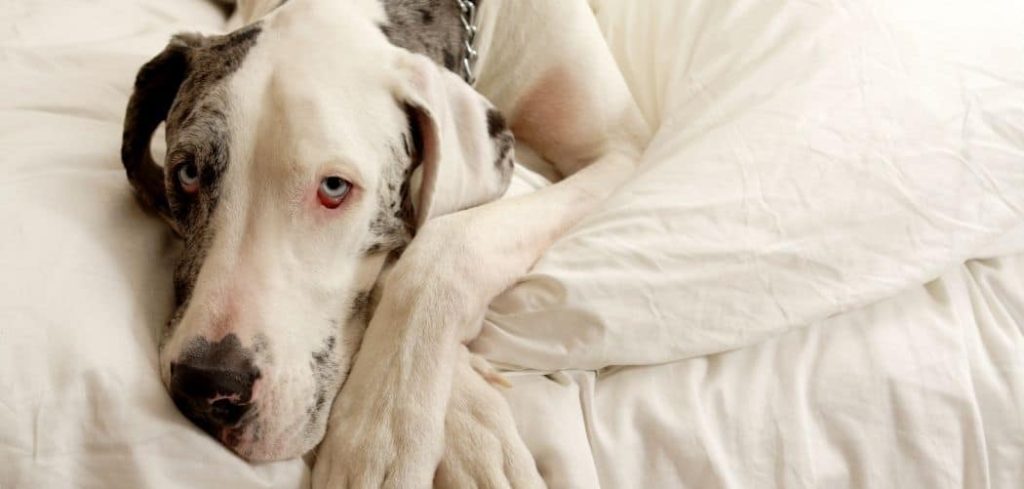
Old Dog Limping and Not Eating: Common Causes
Arthritis and Joint Pain
Arthritis is common in older dogs and can cause painful, stiff movement. A senior dog may limp more noticeably after getting up from bed or after being active.
Pain can also reduce appetite. A dog that is uncomfortable may be less interested in food, especially if getting up and walking to the food bowl is difficult.
Arthritis is usually a chronic condition rather than a sudden emergency, but a major change in mobility or appetite should still be evaluated because another problem may have developed.
Read more: Dog Limping and Not Eating (Causes and when to worry)
Muscle, Ligament, or Other Leg Injury
Older dogs can injure muscles, tendons, or ligaments even without a dramatic accident. A slip on a smooth floor or awkward step can be enough to cause pain and lameness.
Your dog may suddenly favor one leg, hesitate to climb stairs, or avoid jumping. Significant pain can make the dog less interested in food.
Resting the affected leg and restricting activity can prevent further injury while you arrange veterinary assessment if the limping persists.
Paw or Nail Problem
A torn nail, injured paw pad, thorn, or foreign object between the toes can cause sudden limping. The problem may be relatively localized but still painful enough to affect appetite.
Your dog may lick the paw, hold it off the ground, or repeatedly chew at the affected area.
If your dog allows it, gently inspect the paw. Do not force the examination if the dog appears painful, and seek veterinary care if you cannot identify the cause or the dog refuses to bear weight.
Dental or Oral Pain Alongside a Leg Problem
Sometimes the limping and appetite loss are caused by separate problems. Older dogs are particularly prone to dental disease, which can make eating uncomfortable.
Your dog may have bad breath, drooling, difficulty chewing, dropping food, or a preference for softer foods. At the same time, arthritis or another orthopedic problem may be causing the limp.
A complete veterinary examination is therefore important when an older dog has both mobility and appetite changes.
Infection or Inflammation
Some infections can cause fever, weakness, painful joints, and loss of appetite. Depending on the infection, a dog may appear generally unwell rather than simply having a localized leg problem.
Other signs may include lethargy, shivering, swollen joints, vomiting, diarrhea, coughing, or changes in drinking.
An older dog that is limping while also refusing food should be examined if it appears sick or the symptoms persist.
Tick-Borne Disease
Certain tick-borne illnesses can cause fever, weakness, joint discomfort, and reduced appetite. A dog may appear lame because one or more joints are painful.
Additional signs can include lethargy, swollen joints, pale gums, unusual bleeding, or changes in body temperature.
If your dog has had tick exposure, tell your veterinarian. Blood tests may be recommended based on the dog’s symptoms and history.
Bone or Joint Disease
Older dogs can develop conditions affecting the bones and joints that cause persistent or progressive lameness. Some problems may initially appear as an intermittent limp before becoming more noticeable.
Your veterinarian may need to perform a physical examination and diagnostic imaging to determine what is happening inside the affected limb.
Persistent lameness, especially when accompanied by appetite loss or other health changes, should not be dismissed as normal aging.
Serious Internal or Systemic Disease
Loss of appetite can occur with many illnesses affecting organs throughout the body. A dog with a systemic illness may also appear weak or reluctant to move, which can sometimes be mistaken for ordinary limping.
Other warning signs may include vomiting, diarrhea, marked lethargy, weight loss, increased thirst, changes in urination, pale gums, or breathing abnormalities.
When an older dog stops eating and develops a new mobility problem, a veterinarian may need to investigate beyond the affected leg.
Related: Puppy Limping and Not Eating (Causes and what to do)
Old Dog Limping and Not Eating: What to Do
Keep your dog quiet and restrict strenuous activity while you monitor the limp. Avoid running, jumping, stairs, and rough play because these activities can worsen some orthopedic injuries.
Make food and water easily accessible, especially if your dog has difficulty getting up or walking.
A comfortable resting area with good traction can also make movement safer.
If your dog allows it, gently inspect the paws and nails for an obvious problem. Do not manipulate the leg or repeatedly bend the joints if your dog appears painful.
Offer your dog’s usual food in a calm environment.
Avoid making sudden major dietary changes or repeatedly offering unfamiliar foods simply to encourage eating.
Pay attention to how much your dog eats and drinks and whether there are changes in urination or bowel movements. Note when the limping started and whether it is getting better or worse.
A short video of your dog walking can be helpful for your veterinarian. Do not give human painkillers or anti-inflammatory medications unless your veterinarian specifically instructs you to do so.
Because your dog is older and has both limping and appetite loss, contact your veterinarian if the symptoms are persistent, significant, or accompanied by other changes.
When to Call or Visit the Vet
A senior dog that is both limping and refusing food deserves careful attention. The combination can be caused by pain, but it may also signal an illness requiring veterinary treatment.
Schedule an appointment if you notice:
Limping that persists
Repeated episodes of lameness
Reduced appetite lasting beyond a short period
Difficulty getting up or walking
Recurring stiffness
Weight loss
Increased thirst or urination
Reduced energy
Recurring pain
Seek emergency veterinary attention immediately if your dog develops:
Inability to stand or walk
Severe or uncontrolled pain
Sudden collapse
Severe weakness
Difficulty breathing
Pale, white, gray, or bluish gums
Repeated vomiting with marked weakness
A swollen or painful abdomen
Heavy bleeding
Sudden paralysis
Suspected poisoning or major trauma
Old Dog Limping and Not Eating: Treatment
Veterinary treatment for an old dog that is limping and not eating starts with a thorough examination of the paws, joints, muscles, bones, spine, and overall health, along with an assessment of appetite and other symptoms.
The veterinarian may recommend X-rays or other diagnostic imaging to identify orthopedic problems that are not visible externally, while blood tests or other diagnostic testing may be performed when appropriate.
Treatment may include prescription pain relief, anti-inflammatory medication, restricted activity, physical rehabilitation, treatment for infection, nutritional support, or other targeted therapy based on the diagnosis.
Key Takeaway
An old dog limping and not eating may be experiencing arthritis, an injury, paw pain, infection, dental disease, tick-borne illness, bone or joint disease, or another systemic health problem.
While pain alone can reduce appetite, the combination of symptoms deserves more attention in an older dog.
Keep your dog comfortable, restrict strenuous activity, and make food and water easy to reach.
Avoid human pain medications and do not assume that a new limp is simply part of getting older.
If your dog continues limping or refusing food, arrange a veterinary examination. If there is severe pain, inability to walk, collapse, breathing difficulty, pale gums, or significant weakness, seek emergency veterinary care immediately.