
When an old dog starts licking their paws constantly, it can be easy to assume it is just a harmless habit.
However, in senior dogs, persistent paw licking is often a sign of underlying physical discomfort or emotional distress that deserves careful attention.
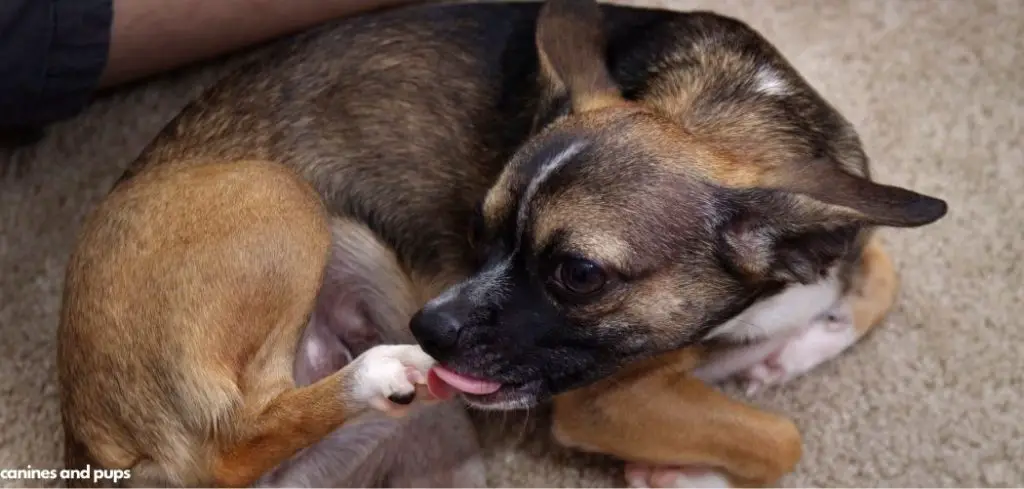
Old Dog Licking Paws: Why It Happens
An old dog licking their paws excessively is usually responding to irritation, pain, inflammation, nerve dysfunction, allergies, or emotional stress linked to aging.
As senior dogs develop chronic medical conditions, their paws often become a focal point for discomfort because they bear weight, contain sensitive nerves, and are exposed to allergens and infections.
Paw licking may also reflect internal disease, anxiety, or cognitive decline rather than a simple skin problem.
In many cases, multiple causes exist at the same time, making this behavior more complex than it appears.
Old Dog Licking Paws: Common Causes
Chronic Environmental and Food Allergies
Allergies are the leading cause of excessive paw licking in older dogs. Over time, repeated exposure to allergens such as pollen, dust mites, mold, grasses, and certain food proteins can trigger immune system overreactions.
These allergic responses cause inflammation in the skin, especially between the toes and on the paw pads.
The skin becomes itchy, swollen, and sensitive, prompting constant licking as the dog tries to relieve discomfort.
You may notice redness, darkened skin, thickening, hair loss, or a musty odor between the toes. In long-standing cases, recurrent bacterial and yeast infections develop, further intensifying irritation.
Senior dogs often develop allergies later in life, so new paw licking should never be dismissed as “normal aging.”
Read more: Old dog licking floor excessively suddenly (What it means)
Arthritis and Joint-Related Pain
Degenerative joint disease is extremely common in senior dogs and frequently contributes to paw licking. When arthritis affects the toes, wrists, elbows, hips, or spine, dogs may lick their paws as a response to referred pain.
Inflamed joints send pain signals that the dog associates with the limb itself. Licking becomes a soothing behavior that temporarily distracts from discomfort.
This cause is more likely if your dog also shows stiffness, difficulty standing, slower walking, reluctance to jump, or limping. Paw licking often increases after exercise or during cold, damp weather.
Because arthritis pain is chronic and progressive, untreated joint disease can lead to worsening behavioral and physical decline.
Nerve Damage and Neuropathic Pain
Aging dogs are prone to nerve degeneration, spinal disease, and disc problems that can produce abnormal sensations in the limbs. These conditions cause tingling, burning, numbness, or electric-like pain in the paws.
Dogs experiencing neuropathic pain may lick their paws compulsively because the sensation feels foreign or irritating. This is similar to humans rubbing or scratching numb limbs.
Conditions such as intervertebral disc disease, spinal arthritis, diabetic neuropathy, and degenerative myelopathy may all contribute.
Signs may include weakness, knuckling, dragging toes, wobbliness, or difficulty coordinating movements. Paw licking in these cases reflects neurological dysfunction rather than skin disease.
Chronic Yeast and Bacterial Infections
Persistent moisture, allergies, and immune decline make senior dogs highly susceptible to paw infections. Yeast and bacteria thrive in warm, damp environments between toes and under nail beds.
These infections cause intense itching, burning, and discomfort. Dogs respond by licking constantly, which further traps moisture and worsens infection.
Affected paws may appear red, swollen, greasy, or crusty. A strong, unpleasant odor is often present. Nails may become brittle or discolored.
Without proper veterinary treatment, these infections can spread deeper into tissues and become difficult to control.
Gastrointestinal and Metabolic Disorders
Internal illnesses frequently contribute to unusual licking behaviors, including paw-focused licking. Nausea, acid reflux, liver disease, kidney disease, and pancreatic disorders often cause dogs to lick their paws as a coping response.
This behavior is linked to nausea-related hypersalivation and discomfort. The paws become a target simply because they are easily accessible.
You may also observe lip licking, swallowing, reduced appetite, vomiting, diarrhea, or changes in thirst and urination.
In senior dogs, digestive and metabolic disease often develops gradually, making subtle behaviors like paw licking an early warning sign.
Anxiety
Emotional and neurological changes play a major role in paw licking among older dogs. Anxiety, loneliness, fear, and confusion increase as sensory and cognitive function declines.
Dogs may lick their paws as a self-soothing mechanism when they feel uncertain or distressed. Over time, this behavior becomes compulsive and continues even in the absence of triggers.
Cognitive dysfunction syndrome further contributes by disrupting normal behavior patterns. Dogs may forget routines, become restless, and engage in repetitive actions.
Signs include pacing, vocalizing, nighttime waking, house-training accidents, clinginess, and disorientation.
Read more: Old Dog licking everything excessively suddenly (Hidden causes)
Old Dog Licking Paws: What to Do
Begin by examining your dog’s paws daily for redness, swelling, wounds, discharge, or odor. Early detection prevents minor irritation from becoming severe infection.
Keep paws clean and dry, especially after walks. Gently wipe them with a damp cloth and dry thoroughly. Avoid harsh soaps or human products that may worsen irritation.
Provide orthopedic bedding and maintain a warm, draft-free resting area to reduce joint and nerve discomfort. Supporting mobility helps reduce pain-driven licking.
Feed a balanced senior diet and avoid frequent food changes. If allergies are suspected, your veterinarian may recommend a controlled elimination diet.
Maintain consistent routines and provide gentle mental stimulation through short walks, interactive toys, and calm companionship to reduce anxiety-related behaviors.
When to Call or Visit Your Veterinarian
Contact your veterinarian if paw licking becomes constant, obsessive, or results in hair loss, sores, or bleeding. These indicate medical disease rather than habit.
Seek immediate care if paws become severely swollen, painful, or infected, or if your dog limps or refuses to walk.
Urgent evaluation is needed if licking is accompanied by vomiting, weight loss, weakness, confusion, or changes in thirst and urination.
If home care does not improve symptoms within a few days, professional diagnosis is necessary. Blood tests, skin testing, allergy screening, and neurological exams may be required.
Any new paw licking in a senior dog deserves prompt veterinary assessment to rule out serious underlying conditions.
Read more: Old Dog Licking (When repetitive behaviors signal illness)
Key Takeaway
Excessive paw licking in an old dog is rarely harmless. It is most often linked to allergies, arthritis, nerve disease, infections, internal illness, or emotional distress.
By addressing the root cause early and working closely with your veterinarian, you can relieve discomfort, prevent complications, and protect your dog’s quality of life.
Your senior dog relies on you to recognize subtle signs of pain. Persistent paw licking is one of those signs—and responding to it can make a meaningful difference.