
When you notice your old dog licking the floor excessively and suddenly, it can be confusing and worrying.
A bit of licking is normal in dogs, but when the behavior becomes repetitive, obsessive, or brand-new in a senior dog, it’s usually a sign that something has changed physically, emotionally, or medically.
We outline the most common reasons for an old dog suddenly licking the floor excessively, what you can do at home, and when to seek veterinary care.
Old Dog Licking Floor Excessively Suddenly: Why It Happens
An old dog suddenly licking the floor excessively is commonly reacting to nausea, pain, oral discomfort, anxiety, neurological changes, or underlying illness. Sometimes the behavior is linked to food residue or curiosity, but when it appears suddenly in a senior dog and becomes persistent, it often points to discomfort, digestive problems, stress, or medical changes that should not be ignored.
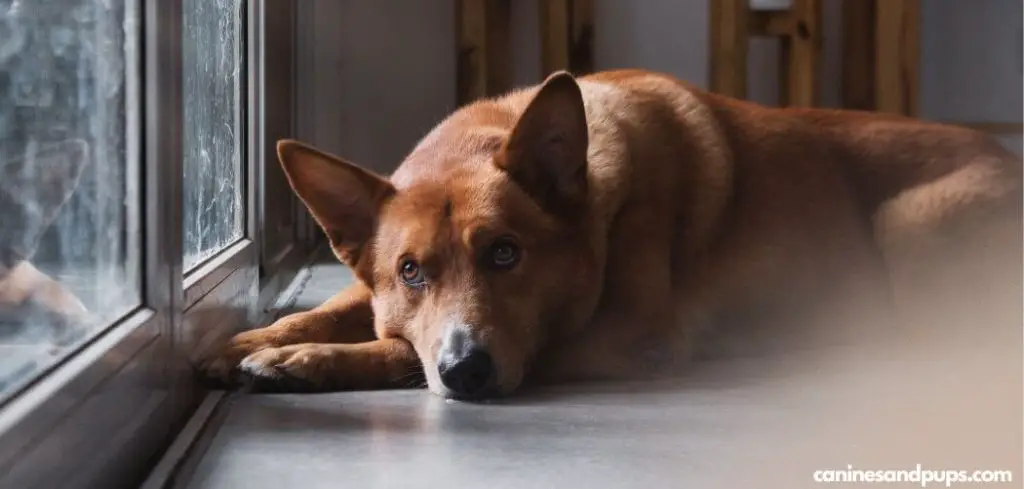
Old Dog Licking Floor Excessively Suddenly: Common Causes
Nausea
One of the most frequent reasons an older dog will suddenly begin licking the floor is nausea. Dogs do not always vomit when they feel sick. Instead, they may lick cool, smooth surfaces like tile or wood into a steady rhythm because licking helps them cope with the queasy sensation.
You may also see drooling, frequent swallowing, eating grass, lip-licking, or restlessness.
In senior dogs, nausea is often tied to medical issues such as kidney disease, liver disease, pancreatitis, gastrointestinal irritation, parasites, toxin exposure, or side effects from medication.
Acid reflux and stomach irritation are also more common in older dogs and can trigger obsessive licking episodes, especially after meals or at night.
Sometimes the licking seems frantic and difficult to interrupt because your dog is uncomfortable.
If the behavior repeats or appears alongside vomiting, appetite changes, diarrhea, or weight loss, nausea is very likely and a veterinary check is important — because digestive disease is extremely common in aging dogs.
Related: Old Dog Licking and Swallowing Excessively Suddenly (Explained)
Dental Disease
Dental disease is a major cause of excessive licking in senior dogs. When the gums are inflamed or a tooth is infected, loose, fractured, or painful, dogs may lick floors or other surfaces as a reflex to the discomfort they feel in their mouths.
They may also lick because drooling increases and they are trying to clear saliva.
Along with floor licking, you might notice bad breath, difficulty chewing, pawing at the face, blood-tinged drool, or reluctance to eat hard food.
However, many dogs continue eating normally — even with significant pain — which makes the issue easy to miss.
Older dogs are also more prone to oral tumors and severe gum disease, so any sudden increase in licking deserves attention, especially when it coincides with signs of mouth discomfort.
Treating dental disease not only reduces licking but also improves quality of life and prevents serious infections from spreading.
Stress
Licking is a natural self-soothing behavior for dogs. Senior dogs who feel anxious, overwhelmed, or confused may begin licking the floor suddenly as a way to calm themselves.
Changes in the home, routine disruptions, loud noises, family stress, separation, or the loss of a companion can all trigger new anxiety-based licking behaviors.
In older dogs, this behavior can also be connected to canine cognitive dysfunction, which is similar to dementia in humans. Dogs experiencing cognitive decline may become restless, confused, clingy, withdrawn, or easily startled.
Licking then becomes a repetitive coping mechanism that helps manage anxiety caused by their changing perception of the world.
You might notice nighttime pacing, staring, altered sleep patterns, or difficulty remembering routines. When licking starts alongside behavioral or memory changes, cognitive decline becomes a strong possibility — and supportive care can make a big difference.
Pain
Pain is another major reason an old dog starts licking the floor suddenly. Dogs instinctively use licking to comfort themselves, even when the painful area is not the one they’re licking.
Chronic pain from arthritis, back problems, joint disease, or internal discomfort can lead to new repetitive behaviors like licking.
Senior dogs are experts at hiding pain. Instead of crying or limping, they may simply move less, sleep more, seem irritable, or develop habits like licking surfaces.
If your dog seems stiff when rising, reluctant to jump, slower on walks, or sensitive when touched, pain may be driving the behavior.
Recognizing and treating chronic pain can reduce licking and greatly improve your dog’s comfort and happiness in their senior years.
Neurological Issues or Focal Seizures
Sudden, intense, repetitive licking of the floor in an older dog can occasionally be linked to neurological changes — particularly focal (partial) seizures.
These seizures do not always look like full-body convulsions. Instead, they may appear as repeated lip-licking, air-licking, swallowing, snapping at invisible objects, or staring spells.
During these events, your dog may seem disconnected, frozen, or unaware of you. The behavior may be difficult to interrupt and may last seconds to minutes. Some dogs experience clusters of episodes.
Because neurological symptoms require professional evaluation, any sudden onset of trance-like licking behaviors — especially with confusion or collapse — should prompt a veterinary consultation as soon as possible.
Underlying Disease in Senior Dogs
In older dogs, excessive licking of the floor can sometimes be linked to systemic illnesses such as kidney disease, liver disease, endocrine disorders, metabolic imbalances, or toxin exposure.
These conditions can cause nausea, altered taste sensations, confusion, restlessness, or discomfort — all of which may trigger licking.
Senior dogs often hide early symptoms, so a new repetitive behavior like floor licking may actually be the very first sign of a deeper medical problem. That is why sudden onset licking should always be taken seriously in aging pets.
Related: Old Dog Licking Everything Excessively Suddenly (Here’s why)
What to Do
If your old dog suddenly begins licking the floor excessively, the first step is to observe calmly and carefully. Take note of when the licking begins, how long it lasts, what surfaces your dog chooses, and whether it happens before or after meals, during stress, or at night. These details are incredibly helpful for your veterinarian.
Check your dog’s mouth gently if they tolerate it. Look for red gums, swelling, broken teeth, or unusual growths. Avoid forcing the mouth open, especially in painful or arthritic dogs.
Consider what your dog may have been exposed to. Floor cleaners, spilled food, or environmental toxins may attract licking — or irritate the digestive system afterward.
Provide a calm environment and avoid scolding. Your dog isn’t misbehaving — they are responding to discomfort or stress.
Redirection with gentle interaction, sniff-based enrichment, or quiet companionship is more helpful than punishment.
If nausea seems likely, offering smaller, simpler meals and avoiding fatty or highly seasoned foods may help temporarily. However, this should not replace a veterinary evaluation, especially in senior dogs.
When to Call or Visit Your Vet
Contact your veterinarian if your old dog:
• Starts licking the floor excessively out of nowhere.
• Seems restless, drooly, or nauseous.
• Vomits, refuses food, or has diarrhea.
• Shows weight loss, bad breath, or dental pain.
• Appears confused, anxious, or disoriented.
• Has pale gums, lethargy, or collapses.
• Shows seizure-like behavior or unresponsiveness.
Seek urgent care if poisoning, seizure activity, collapse, or severe vomiting is suspected.
Your vet may recommend blood work, urinalysis, dental exams, abdominal imaging, or neurological assessment depending on findings. Early diagnosis helps preserve health and quality of life — especially for seniors.
Read more: Old Dog Breathing Heavy and Not Eating (Here’s why)
Key Takeaway
When an old dog is licking the floor excessively and suddenly, it is rarely “just a habit.” It is usually a sign that your dog is feeling nauseous, anxious, uncomfortable, or medically unwell — and licking is their way of coping.
Because sudden behavior changes in senior dogs often signal underlying health issues, it is always safest to observe closely, remain calm, and reach out to your veterinarian if the behavior continues or appears alongside other symptoms.
Your senior dog depends on you to notice changes and respond with patience and care. By acting early, you can help protect their comfort, wellbeing, and happiness during their golden years.