
When an old dog starts licking excessively, it can be worrying. While occasional licking is normal, constant or sudden licking often signals discomfort or emotional distress that should not be ignored.
Understanding your dog’s body language—including licking—can help you recognize what they’re experiencing and know when it’s time to seek veterinary care.
Old Dog Licking: Why It Happens
An old dog licking excessively is often a sign of underlying physical discomfort, internal illness, emotional stress, or neurological changes related to aging.
Senior dogs may lick themselves, surfaces, or people due to pain, nausea, anxiety, skin disease, organ dysfunction, or declining brain function.
As dogs age, their ability to cope with discomfort and stress decreases, making repetitive behaviors more noticeable.
In many cases, excessive licking reflects a combination of physical and emotional factors rather than a single cause.
Old Dog Licking: Signs
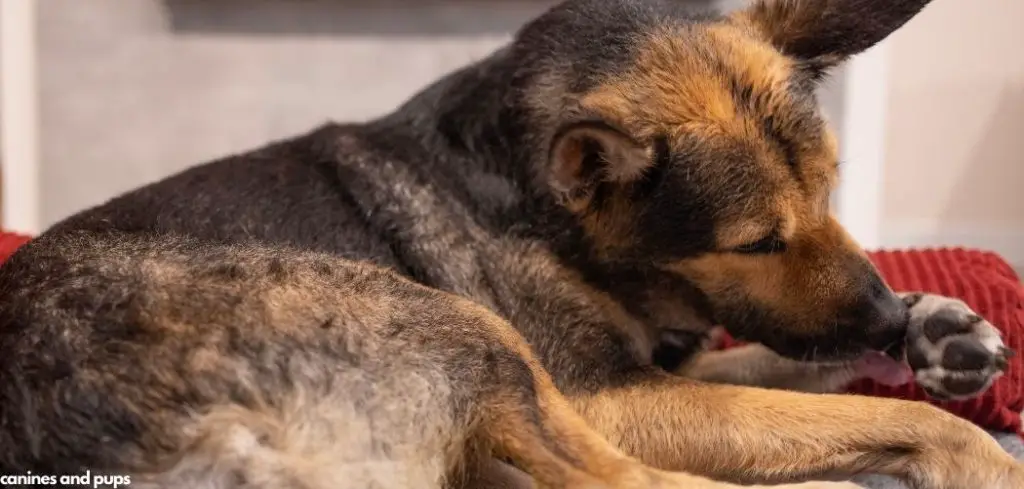
In older dogs, excessive or persistent licking often shows up as frequent licking of paws, joints, bedding, or the air, sometimes accompanied by restlessness or pacing.
You may notice redness, hair loss, sores, or damp fur in the areas being licked, along with increased licking at night or during rest.
Senior dogs may also lick more when they are in pain, anxious, nauseous, or experiencing cognitive changes, and the behavior may worsen over time rather than improve on its own.
Old Dog Licking: Common Causes
Chronic Joint Pain and Arthritis
Arthritis is one of the most common causes of excessive licking in senior dogs. As joints become inflamed and cartilage wears down, movement becomes painful and uncomfortable.
Dogs often lick areas near sore joints, especially the hips, knees, shoulders, and spine, in an attempt to soothe the discomfort.
This licking behavior may increase after exercise, during cold weather, or after long periods of rest.
You may also notice stiffness, reluctance to climb stairs, difficulty standing up, or changes in walking patterns.
Over time, chronic pain can lead to constant licking as the dog tries to self-soothe.
Because arthritis pain tends to worsen gradually, many owners mistake licking for a harmless habit when it is actually a sign of ongoing suffering that requires medical management.
Read more: Old Dog licking everything excessively suddenly (Hidden causes)
Skin Allergies and Chronic Dermatitis
Allergies are another major cause of excessive licking in older dogs. Senior dogs can develop new food allergies, environmental sensitivities, or contact reactions later in life. These allergies cause inflammation and intense itching in the skin.
Affected dogs often lick their paws, legs, belly, chest, or tail area repeatedly. The skin may appear red, thickened, darkened, flaky, or infected. Hair loss and hot spots may also develop.
Chronic licking damages the skin barrier, allowing bacteria and yeast to grow, which worsens irritation and creates a cycle of itching and licking. Without treatment, this condition can become severe and painful.
Nausea and Gastrointestinal Discomfort
Internal digestive problems frequently cause unusual licking behavior in senior dogs. When dogs feel nauseous, they often lick their lips, swallow repeatedly, or lick surfaces such as floors, furniture, and walls.
This behavior is commonly linked to acid reflux, gastritis, pancreatitis, inflammatory bowel disease, food intolerance, or liver and kidney disease. The excess saliva produced during nausea triggers licking as a reflex.
You may notice reduced appetite, vomiting, diarrhea, weight loss, burping, or changes in stool. In some cases, licking may be the first visible sign of digestive distress before more obvious symptoms appear.
Because gastrointestinal disease can progress quietly in older dogs, persistent licking should always be investigated.
Anxiety
Emotional factors play a major role in excessive licking, especially in senior dogs. Aging dogs often experience increased anxiety due to changes in vision, hearing, mobility, and routine.
Separation anxiety, fear of loud noises, changes in household members, moving homes, or loss of a companion can all trigger compulsive licking. Dogs may lick themselves, people, or objects as a coping mechanism.
This behavior releases calming chemicals in the brain, temporarily reducing stress. Over time, it can become a habit that continues even when the original stressor is gone.
Signs of anxiety-related licking often include pacing, whining, clinginess, restlessness, hiding, or changes in sleep patterns.
Cognitive Dysfunction Syndrome
Cognitive dysfunction syndrome is common in senior dogs and closely resembles dementia in humans. As the brain ages, nerve cells deteriorate and communication between brain regions weakens.
This decline leads to confusion, memory loss, disorientation, and repetitive behaviors such as excessive licking. Dogs with cognitive dysfunction may lick floors, walls, furniture, or themselves for no clear reason.
Other symptoms include wandering at night, staring into space, getting stuck in corners, forgetting house training, and changes in social behavior.
Because this condition progresses slowly, early signs are often overlooked. However, excessive licking can be one of the first visible indicators of brain aging.
Organ Disease and Metabolic Disorders
Serious internal illnesses frequently cause increased licking in older dogs. Conditions such as kidney disease, liver disease, diabetes, and hormonal disorders disrupt normal body chemistry and cause nausea, weakness, and discomfort.
These diseases often lead to toxin buildup in the bloodstream, which affects the brain and digestive system. As a result, dogs may lick excessively due to nausea, oral irritation, or neurological effects.
You may also notice increased thirst, increased urination, weight changes, bad breath, vomiting, lethargy, or changes in appetite.
Because organ disease is life-threatening if untreated, unexplained licking should never be dismissed in senior dogs.
Read more: Old dog licking floor excessively suddenly (What it means)
Old Dog Licking: What to Do
If your old dog is licking excessively, start by observing the pattern carefully. Notice when the licking occurs, which areas are affected, and whether it worsens at certain times of day. This information helps your veterinarian identify possible causes.
Provide your dog with a calm, comfortable environment. Make sure their bed is soft, supportive, and located in a quiet area away from drafts and noise. Reducing physical and emotional stress can significantly improve symptoms.
Check your dog’s skin, paws, mouth, and joints regularly for redness, swelling, wounds, or infections. Gently clean irritated areas and prevent licking with an Elizabethan collar if sores are forming.
Maintain a consistent feeding schedule with high-quality senior-appropriate food. Avoid sudden diet changes and limit treats that may trigger allergies or digestive upset.
Offer gentle mental and physical stimulation through short walks, puzzle toys, and gentle play. Keeping your dog engaged reduces anxiety-driven behaviors and improves overall well-being.
When to Call or Visit Your Veterinarian
Contact your veterinarian immediately if your dog’s licking becomes constant, obsessive, or worsens over time. Persistent licking almost always indicates an underlying medical issue.
Seek immediate veterinary care if licking is accompanied by vomiting, diarrhea, weight loss, weakness, collapse, difficulty walking, or loss of appetite. These signs may indicate serious internal disease.
If you notice open sores, bleeding, hair loss, thickened skin, or signs of infection, professional treatment is necessary to prevent complications.
Urgent evaluation is needed if your dog shows signs of confusion, disorientation, seizures, or sudden behavior changes, as these may point to neurological disease.
Any senior dog with new or unexplained licking should receive a full medical exam, blood tests, and possibly imaging to identify hidden health problems.
Related: Old dog constant diarrhea (Why it happens)
Key Takeaway
Excessive licking in an old dog is rarely “just a habit.” It is usually a signal of pain, illness, anxiety, cognitive decline, or internal disease that deserves attention.
By observing changes early, providing supportive care, and working closely with your veterinarian, you can greatly improve your dog’s comfort and quality of life.
Your senior dog depends on you to notice subtle signs of discomfort. When licking becomes excessive, listening to that signal can make a meaningful difference in their health and happiness.