
When an old dog’s legs suddenly give out, it can be frightening to witness. One moment your dog is standing or walking normally, and the next they collapse, stumble, or sink to the ground.
In senior dogs, leg weakness or collapse is never just a random event – it is almost always a sign that something deeper is affecting the body.
What Does It Mean When An Old Dog’s Legs Give Out?
An old dog’s legs giving out refers to sudden weakness, loss of support, or inability to bear weight. This can affect the back legs, front legs, or all four limbs depending on the cause.
In senior dogs, leg collapse may be temporary or progressive. Some dogs recover quickly after an episode, while others struggle to stand again. This often reflects problems involving muscles, joints, nerves, circulation, or internal organs rather than simple fatigue.
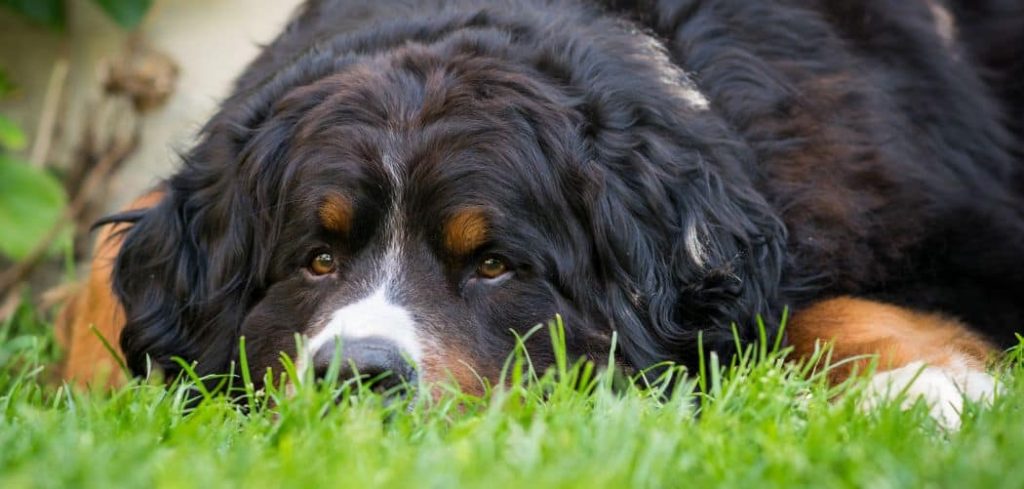
Old Dog Legs Giving Out: Signs
Signs of an old dog’s legs giving out can range from mild weakness to more severe mobility issues.
Common signs include stumbling, slipping, or unsteady walking, especially on smooth surfaces. You may notice difficulty standing up, climbing stairs, or getting into a comfortable position, along with wobbling or loss of balance.
Some dogs may drag their back legs, cross their limbs, or collapse suddenly. Other signs include muscle loss in the legs, reluctance to move, signs of pain (whining or stiffness), and reduced activity levels.
In more advanced cases, there may be loss of coordination or even bladder or bowel control, which can indicate a neurological issue.
Why Is This More Common In Older Dogs?
As dogs age, the systems that support movement begin to lose resilience. Muscles shrink and weaken, joints become arthritic, nerves transmit signals more slowly, and blood flow may be less efficient. At the same time, older dogs are more likely to develop chronic illnesses that affect balance, strength, and coordination.
Because senior dogs have less physical reserve, even mild stressors—such as standing up too quickly, walking on slippery surfaces, or mild exertion—can overwhelm weakened systems and cause the legs to fail temporarily.
Old Dog Legs Giving Out: Common Causes
Arthritis and Severe Joint Degeneration
One of the most common causes of leg collapse in older dogs is advanced arthritis. As joint cartilage wears away, inflammation and pain increase while joint stability decreases.
In severe cases, arthritic joints may no longer support the dog’s weight reliably. When pain flares or stiffness is extreme, the dog may suddenly lose strength in one or more legs and collapse.
This often happens after rest, when joints are stiff, or after activity, when inflammation increases.
Dogs with arthritis-related leg failure may struggle to rise, hesitate before walking, or sit abruptly when standing becomes uncomfortable.
Related: Old dog bag legs splayed out (What it means)
Muscle Loss And Age-Related Weakness
Aging dogs naturally lose muscle mass, particularly in the hindquarters. This process, known as age-related muscle wasting, reduces strength and endurance over time.
When muscles are too weak to support body weight, legs may buckle unexpectedly. This is especially noticeable on smooth floors, inclines, or when the dog changes position quickly.
Muscle loss often develops gradually, so owners may not realize how weak their dog has become until the legs begin giving out more frequently.
Neurologic Disorders
Neurologic disease is a major cause of leg weakness and collapse in senior dogs. Conditions affecting the spinal cord, peripheral nerves, or brain can disrupt communication between the brain and the limbs.
Dogs with neurologic issues may lose coordination, drag their feet, stumble, or collapse without warning. Degenerative spinal conditions can slowly weaken the legs, while strokes or nerve compression can cause sudden episodes where the legs give out.
Neurologic causes are particularly concerning when leg collapse is accompanied by knuckling, loss of balance, head tilt, or changes in awareness.
Degenerative Myelopathy
Degenerative myelopathy is a progressive disease of the spinal cord that primarily affects older dogs. It causes gradual loss of coordination and strength in the hind legs.
Early signs include stumbling, crossing of the back legs, and difficulty rising. As the disease advances, the legs may suddenly give out because the brain can no longer effectively control movement.
Degenerative myelopathy is not painful, but it leads to increasing weakness and eventual paralysis, making early recognition and supportive care important.
Heart Disease
Heart disease can indirectly cause an old dog’s legs to give out by reducing blood flow and oxygen delivery to muscles and nerves. During exertion or excitement, the heart may struggle to meet the body’s demands.
When muscles and nerves do not receive enough oxygen, weakness and collapse can occur. Dogs may appear fine at rest but suddenly buckle during or after activity.
Heart-related leg collapse is often accompanied by coughing, rapid breathing, fatigue, or reduced exercise tolerance.
Metabolic and Internal Organ Disease
Diseases affecting the kidneys, liver, or endocrine system can lead to generalized weakness in senior dogs. Electrolyte imbalances, toxin buildup, or hormonal disruptions interfere with muscle and nerve function.
In these cases, the legs may give out because the entire body is compromised, not just the musculoskeletal system. Dogs may also show signs such as appetite loss, weight loss, increased thirst, or lethargy.
Metabolic causes often worsen over time if untreated, making early diagnosis essential.
Pain
Sometimes, a dog’s legs give out because of sudden pain rather than weakness. Sharp pain from joints, the spine, or internal organs can cause the dog to stop bearing weight abruptly.
This type of collapse may look dramatic but is actually a protective response to avoid worsening injury. Dogs may cry out, freeze, or immediately sit or lie down.
Pain-induced collapse often becomes more frequent as underlying conditions progress or pain control becomes inadequate.
Slipping
Older dogs are more prone to slipping due to reduced muscle strength, joint instability, and slower reflexes. Smooth flooring, stairs, and uneven surfaces increase the risk of falls.
While environmental factors alone may not cause chronic leg collapse, they often contribute to episodes in dogs with underlying weakness. A dog whose legs are already compromised may simply be unable to recover balance once it is lost.
Related: Old dog tails between legs (What it means)
When to Call or Visit the Vet
When an older dog’s legs start giving out, it can be a sign of musculoskeletal, neurological, or systemic health issues, some of which require urgent care. You should contact your veterinarian if you notice any of the following:
Sudden collapse or inability to stand
Frequent stumbling, slipping, or weakness
Dragging of one or more legs
Pain, whining, or reluctance to move
Swelling in joints or limbs
Loss of coordination or balance
Loss of bladder or bowel control
Lethargy, loss of appetite, or behavioral changes
Symptoms that worsen or do not improve within 24–48 hours
Because leg weakness in senior dogs can be linked to conditions such as arthritis, nerve damage, spinal issues, or degenerative diseases, early veterinary evaluation is important to diagnose the cause and begin appropriate treatment to maintain mobility and comfort.
Related: Old dog back legs collapsing (Causes and what to do)
Old Dog Legs Giving Out: Treatment
Veterinary treatment for an old dog whose legs are giving out depends on the underlying cause.
Veterinary assessment includes a physical and orthopedic/neurological examination to determine whether the issue is joint-related, muscular, or neurological. Diagnostic tests such as X-rays, bloodwork, or advanced imaging (MRI/CT) may be recommended to identify the exact cause.
Treatment includes:
Pain relief and anti-inflammatory medications (NSAIDs) to reduce joint pain and inflammation.
Joint support therapies, including prescription supplements or injectable treatments.
Physical therapy or rehabilitation, such as hydrotherapy or guided exercises to improve strength and mobility.
Weight management to reduce strain on joints and limbs.
Medications for nerve or spinal conditions, if neurological issues are present.
Assistive devices, such as harnesses or support slings, to help with mobility.
Surgery, in severe cases like spinal compression or advanced joint damage.
In progressive conditions like degenerative myelopathy, treatment focuses on supportive care and maintaining quality of life rather than a cure.
Because leg weakness can worsen over time and significantly affect your dog’s mobility and comfort, early veterinary intervention is essential to manage pain, slow progression, and improve overall quality of life.
Key Takeaway
When an old dog’s legs give out, it is rarely a harmless sign of aging. In most cases, it reflects underlying weakness, pain, neurologic change, or systemic disease that deserves careful attention.
With early recognition, veterinary guidance, and thoughtful management, many senior dogs can regain stability or at least avoid further decline.
Supporting mobility and comfort is one of the most important ways to help an aging dog maintain dignity and quality of life during their golden years.