
Old dog kidney disease is one of the most common and serious health conditions seen in senior dogs, and it often develops quietly before obvious symptoms appear.
Because the kidneys play a vital role in filtering toxins and balancing fluids, even mild damage can have wide-ranging effects on an aging dog’s body.
Old Dog Kidney Disease: Why It Happens
Kidney disease in old dogs usually develops because aging kidneys gradually lose their ability to filter waste and regulate fluids effectively. Over time, toxins build up in the bloodstream, hydration becomes harder to maintain, and essential nutrients are lost through urine.
Chronic kidney disease is most common, but infections, medications, underlying illness, or sudden injury can also damage kidney tissue.
Because kidney function declines slowly, signs often appear only after significant damage has already occurred.
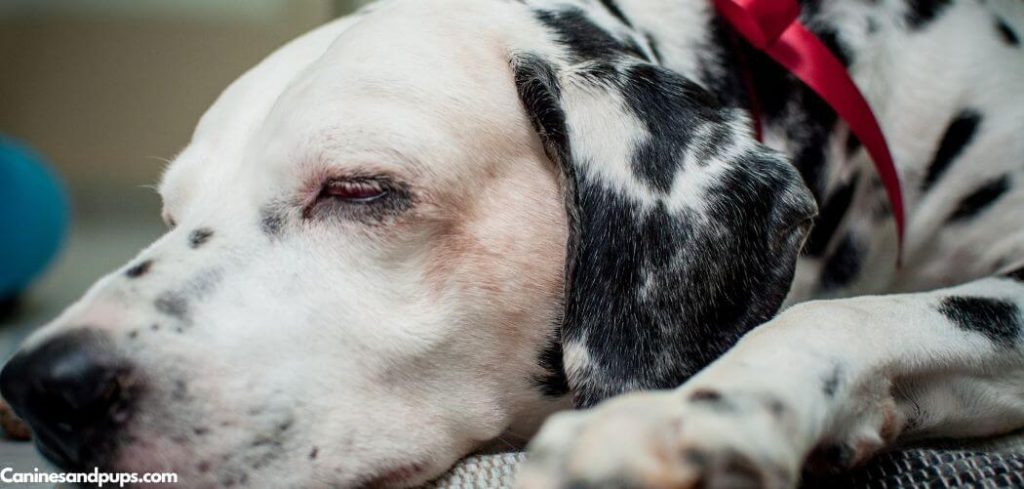
Old Dog Kidney Disease: Symptoms
Kidney disease in older dogs often develops gradually, and the early signs can be easy to miss.
As the kidneys lose their ability to filter waste effectively, symptoms tend to become more noticeable and affect your dog’s overall comfort and routine. Signs of kidney disease include:
Increased thirst and more frequent urination
Reduced appetite or refusal to eat
Weight loss and gradual muscle loss
Lethargy or decreased energy levels
Vomiting or occasional nausea
Bad breath with a chemical or ammonia-like smell
Old Dog Kidney Disease: Common Causes
Kidney Degeneration
Natural aging is the most common cause of kidney disease in old dogs. Over the years, kidney tissue slowly wears down and loses filtering efficiency.
As fewer functioning units remain, waste products accumulate in the bloodstream. This gradual decline explains why kidney disease is so common in senior dogs and why symptoms often appear later in life.
Chronic Dehydration
Repeated or long-term dehydration places strain on the kidneys and reduces blood flow to kidney tissue. Senior dogs may drink less due to dental pain, mobility issues, or reduced thirst drive.
Over time, insufficient hydration contributes to kidney damage and accelerates disease progression, especially in dogs already prone to kidney stress.
Read more: Old Dog Very Thirsty (What it means)
Dental Disease
Severe dental disease allows bacteria to enter the bloodstream, where it can travel to the kidneys and cause inflammation. Chronic low-grade infections place constant stress on kidney tissue.
In older dogs, untreated dental issues are a surprisingly common contributor to kidney disease, particularly when bad breath or gum inflammation has been present for years.
Long-Term Medication Use
Certain medications, especially when used long-term, can impact kidney health. Pain medications, some antibiotics, and drugs used to manage chronic conditions may reduce kidney blood flow or irritate kidney tissue.
Older dogs are more vulnerable to medication-related kidney damage because their kidneys already have reduced functional reserve.
Underlying Medical Conditions
Diseases such as high blood pressure, diabetes, heart disease, or autoimmune disorders can indirectly damage the kidneys. These conditions alter circulation, metabolism, or immune responses in ways that strain kidney function.
In many cases, kidney disease develops as a secondary complication rather than a primary problem.
Read more: Old Dog Losing Weight (Hidden causes)
Acute Kidney Injury
Although less common than chronic disease, sudden kidney injury can occur due to toxin exposure, severe infections, heatstroke, or obstruction of urine flow.
In old dogs, recovery from acute kidney injury is often incomplete, leading to permanent kidney damage or progression into chronic kidney disease.
Old Dog Kidney Disease: What to Do
Ensure your dog has constant access to fresh, clean water and encourage drinking throughout the day. Hydration is one of the most important factors in supporting kidney function.
Feed a veterinarian-recommended diet that supports kidney health, as these diets are formulated to reduce waste buildup and support remaining kidney function.
Monitor appetite, water intake, urination habits, and body weight closely. Small changes can provide important clues about disease progression.
Administer medications and supplements exactly as prescribed, and never adjust doses without veterinary guidance.
Keep your dog’s environment calm and stress-free, as stress can worsen dehydration and reduce appetite in senior dogs.
When to Call or Visit Your Vet
Contact your veterinarian if your dog drinks significantly more or less water than usual or shows changes in urination frequency.
Seek veterinary care promptly if your dog experiences vomiting, diarrhea, weight loss, bad breath, or loss of appetite.
Emergency care is needed if your dog becomes weak, collapses, stops producing urine, or shows signs of severe dehydration.
Regular monitoring visits are essential for dogs with diagnosed kidney disease, even if they appear stable at home.
Old Dog Kidney Disease: Treatment
Treatment focuses on slowing the progression of kidney disease and keeping your dog comfortable. This often includes a prescription kidney-support diet that is easier on the kidneys and helps reduce toxin buildup.
Vets may also recommend medications to control symptoms like nausea, vomiting, or high blood pressure, along with fluids (either given at the clinic or at home) to support hydration. Regular monitoring through blood and urine tests is essential to adjust treatment and maintain quality of life.
Key Takeaway
Old dog kidney disease is a common but serious condition that develops gradually and often goes unnoticed in its early stages. Aging, chronic dehydration, dental disease, medications, and underlying illness all contribute to declining kidney function in senior dogs.
With early detection, proper hydration, dietary support, and veterinary care, many dogs can maintain comfort and quality of life for months or even years.
Paying close attention to subtle changes and involving your veterinarian early makes the biggest difference in managing kidney disease in old dogs.