
If your old dog jumps up suddenly, it can catch you off guard. One minute they’re resting peacefully, and the next they leap up as if startled by something invisible. For many pet owners, this behavior feels confusing or even alarming.
Is your dog in pain? Did they hear something? Could it be a neurological issue?
The truth is, when an old dog jumps up suddenly, there can be several possible explanations. Some are harmless and linked to normal aging. Others may signal discomfort, anxiety, or medical concerns that deserve attention.
In this detailed guide, we’ll explain why this happens, how to tell the difference between normal and concerning behavior, and what steps you can take to support your aging companion.
Understanding Behavior Changes in Senior Dogs
As dogs age, their bodies and brains undergo noticeable changes. Just like humans, senior dogs process information more slowly. Their senses may weaken. Their joints may stiffen. Their sleep patterns can shift.
An older dog may become more sensitive to sounds, touch, or internal discomfort. Because of this, sudden movements—like jumping up unexpectedly—may happen more often in their golden years.
It’s important to remember that aging does not automatically mean illness. However, new or frequent behaviors should never be ignored.
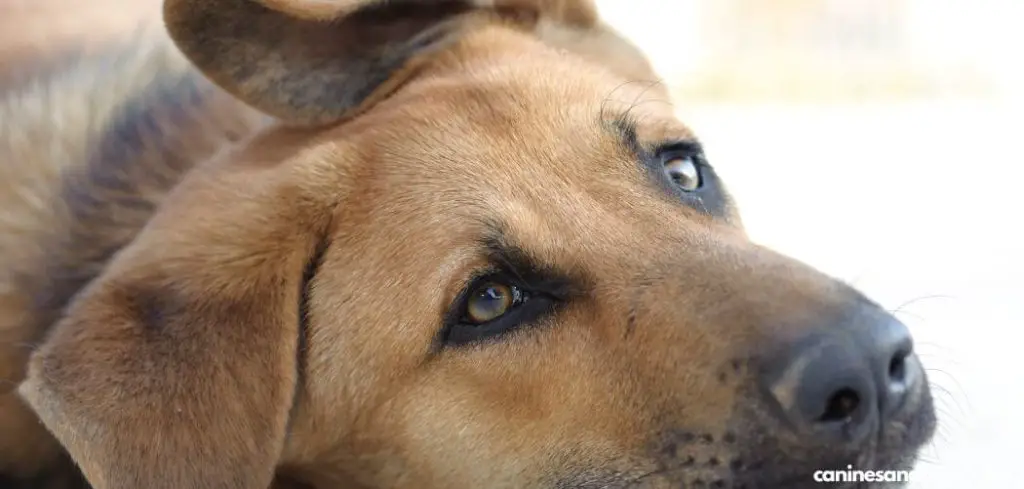
What Does It Mean When an Old Dog Jumps Up Suddenly?
When we say an old dog jumps up suddenly, we typically mean they rise quickly from a resting position, sometimes appearing startled, confused, or uncomfortable. This can happen during sleep, while lying on the couch, or even while resting in their favorite bed.
Key questions to ask include:
Does it happen during sleep?
Does your dog appear scared?
Is there yelping or signs of pain?
How often does it occur?
Understanding the pattern behind the behavior is essential for identifying the cause.
Common Causes of Old Dog Jumps Up Suddenly
Sudden Joint Pain or Arthritis Flare-Ups
Arthritis is one of the most common conditions in senior dogs. As cartilage wears down and joints become inflamed, discomfort can strike without warning.
When an old dog jumps up suddenly, it may be reacting to a sharp burst of joint pain. The discomfort can feel intense enough to make them spring upright in an effort to reposition or relieve pressure.
You may also notice stiffness after rest, difficulty climbing stairs, or reluctance to jump onto furniture. Arthritis pain is often worse after long periods of lying down, which explains why the sudden movement happens during rest.
Veterinarians frequently recommend anti-inflammatory medications, joint supplements, and supportive bedding to help manage this condition. According to the American Veterinary Medical Association (AVMA), early management of arthritis significantly improves quality of life.
Related: Old dog vestibular disease (Causes, symptoms and treatment)
Startle Response Due to Hearing Changes
As dogs age, their hearing can either decline or become irregular. Some senior dogs experience partial hearing loss, while others become more sensitive to certain high-frequency sounds.
If your old dog jumps up suddenly, it may be reacting to a sound you barely notice. A distant door closing, a car passing by, or even household appliances can trigger a strong startle response.
Because aging dogs may feel less secure due to sensory changes, their reactions can seem exaggerated. They may leap up, look around anxiously, and take a few moments to settle again.
Observing your dog’s environment during these episodes can help determine if sound is the trigger.
Canine Cognitive Dysfunction (Dog Dementia)
Cognitive decline is another possible explanation. Known as Canine Cognitive Dysfunction (CCD), this condition affects memory, awareness, and perception in older dogs.
An old dog jumps up suddenly due to confusion or disorientation linked to CCD. They may wake abruptly, unsure of where they are, or feel momentarily lost even in familiar surroundings.
Other signs of cognitive dysfunction include disrupted sleep cycles, wandering, staring into space, and changes in social interaction.
Although CCD cannot be reversed, medications and structured routines can slow its progression and reduce symptoms.
Nightmares or Disturbed Sleep Patterns
Dogs dream just like humans. During REM sleep, their brains are highly active. You may see twitching paws, soft barking, or gentle movements.
Sometimes, however, dreams can be more intense. An old dog jumps up suddenly if startled by a vivid dream or nightmare. This is especially common in dogs experiencing anxiety or cognitive changes.
Senior dogs often sleep more deeply and more frequently, which increases the chances of disrupted sleep events.
If your dog quickly settles after waking and shows no signs of distress, the episode may simply be dream-related.
Seizure Activity
Not all seizures involve dramatic shaking. Some are subtle and brief. These are known as focal seizures.
When an old dog jumps up suddenly, it could be the start or end of a mild neurological episode. They may appear dazed, confused, or briefly unresponsive.
Neurological causes are more serious and often accompanied by additional symptoms such as drooling, twitching, loss of balance, or repeated unusual behaviors.
If you suspect seizure activity, veterinary evaluation is critical. Diagnostic tests may include blood work, neurological exams, or imaging studies.
Related: Old dog having seizures (Causes and treatment)
Internal Discomfort or Organ Issues
Senior dogs are more vulnerable to internal health problems such as gastrointestinal discomfort, heart disease, or kidney issues.
An old dog jumps up suddenly when experiencing a sudden wave of internal discomfort. They may struggle to get comfortable, shift positions frequently, or appear restless.
Because dogs cannot verbally communicate pain, sudden movements sometimes serve as the only clue.
If you observe changes in appetite, thirst, urination, or energy levels, schedule a veterinary checkup promptly.
Anxiety and Age-Related Sensitivity
As dogs age, they often become more emotionally sensitive. Reduced sensory input can make them feel insecure. Environmental changes, loud noises, or even unfamiliar visitors may increase anxiety.
An anxious senior dog may react quickly and dramatically to small stimuli. When an old dog jumps up suddenly, it may be due to heightened nervousness.
Calming routines, gentle reassurance, and consistent schedules can help reduce anxiety-related behaviors.
When Should You Be Concerned?
Occasional sudden movements are not always dangerous. However, frequency and severity matter.
You should consult your veterinarian if:
The behavior happens daily or multiple times a day.
Your dog cries out in pain.
Episodes are paired with confusion or unresponsiveness.
Appetite or bathroom habits change.
Balance or coordination seems affected.
Early intervention prevents small issues from becoming serious problems.
Diagnosis of the Cause
Veterinary evaluation begins with a physical exam and detailed history. Your vet may ask when the episodes started, how often they occur, and what your dog does afterward.
Blood tests help rule out metabolic issues. Joint assessments check for arthritis. Neurological exams identify possible brain-related conditions.
In some cases, imaging such as X-rays or MRI scans may be recommended.
Accurate diagnosis allows for targeted treatment.
Treatment and Management
Treatment depends entirely on the cause. Arthritis may require medication, weight management, and physical therapy. Cognitive dysfunction may benefit from prescription medication and mental stimulation exercises.
Seizures require specific anti-seizure medications. Anxiety may improve with behavioral strategies or calming supplements recommended by your veterinarian.
The goal is always the same: maintain comfort and quality of life.
Related: Old dog circling and pacing (Here’s why)
Supporting Your Senior Dog at Home
Creating a comfortable environment can reduce sudden movements. Provide orthopedic bedding to cushion joints. Keep floors non-slip to prevent falls. Maintain consistent daily routines to reduce anxiety.
Soft lighting at night can prevent confusion when waking. Gentle exercise keeps joints flexible and promotes better sleep.
Most importantly, observe and respond calmly. Your reassurance helps your dog feel safe.
Watching your old dog jumps up suddenly can be worrying. It’s natural to fear the worst. But remember, many causes are manageable with proper care.
Senior dogs can still enjoy happy, fulfilling lives. With attentive monitoring and veterinary support, you can ensure your aging companion feels secure and loved.
Patience and understanding go a long way during the golden years.
Key Takeaway
If your old dog jumps up suddenly, don’t panic—but don’t ignore it either. This behavior can stem from arthritis, sensory changes, cognitive decline, anxiety, or neurological conditions.
Observe patterns. Note accompanying symptoms. Consult your veterinarian if the behavior becomes frequent or intense.
Your senior dog has given you years of loyalty and companionship. By staying informed and proactive, you can help them age with dignity, comfort, and confidence.
Aging may bring surprises—but with knowledge and care, you can face them together.