
Bringing home a new puppy is an exciting milestone — but if your senior companion suddenly starts acting withdrawn, clingy, grumpy, or territorial, you may be dealing with your old dog being jealous of the new puppy.
While dogs don’t experience jealousy in the exact human sense, they absolutely notice changes in attention, routine, and household dynamics.
We explain why older dogs may seem jealous of a new puppy, the most common underlying causes, and how to restore balance in your home.
Can Dogs Really Feel Jealousy?
Research suggests that dogs display jealousy-like behaviors when they perceive a threat to their bond with their owner. They are highly social animals and deeply attuned to shifts in attention and affection.
For older dogs especially, a playful, high-energy puppy can feel overwhelming. Senior dogs thrive on stability and predictability. When a bouncy newcomer enters their space, it can trigger insecurity, stress, and even behavioral changes.
An old dog jealous of new puppy behavior often reflects fear of losing resources — not just food or toys, but your time, attention, and emotional connection.
Senior dogs who have spent years as the only pet may find it especially difficult to share that bond.
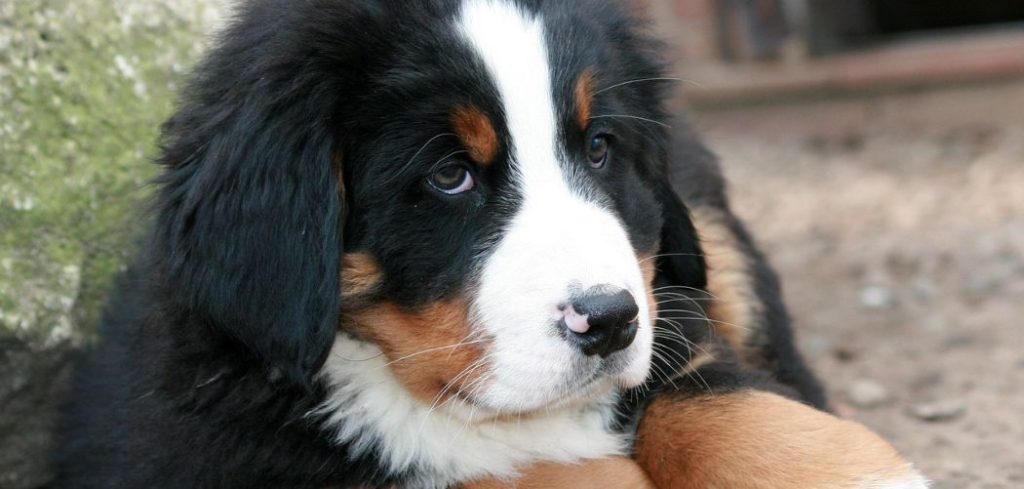
Why Senior Dogs Struggle More With Puppies
Puppies are energetic, unpredictable, and often unaware of boundaries. They jump, nip, bark, and invade personal space — behaviors that can frustrate or intimidate an older dog.
At the same time, aging brings physical and cognitive changes. Your senior dog may have:
Arthritis or joint pain
Reduced hearing or vision
Lower stamina
Cognitive decline
Increased need for routine
These factors make adjustment harder. A puppy’s enthusiasm may feel less like fun and more like a disruption.
Signs Your Old Dog Is Jealous Of A New Puppy
Jealousy-like behavior in senior dogs can present in many ways, including:
Pushing between you and the puppy
Growling when the puppy approaches you
Becoming clingy or demanding attention
Avoiding interaction and appearing withdrawn
Guarding food, toys, or resting spots
Snapping when the puppy gets too close
Regression in house training
Some older dogs become quieter rather than confrontational. Withdrawal or depression can be just as important as overt aggression.
Recognizing early signs helps prevent escalation.
Old Dog Jealous Of New Puppy Behavior: Common Causes
Fear Of Losing Attention
One of the most powerful triggers is perceived loss of attention. A new puppy naturally requires supervision, training, and bonding time.
Your senior dog quickly notices when the puppy receives praise, treats, cuddles, and playtime. If your older dog feels displaced, they may attempt to reassert their importance by interrupting interactions or demanding attention.
Older dogs rely heavily on their established bond with you. Reinforcing that connection is crucial for restoring security.
Territorial Instincts
Dogs are territorial by nature. Introducing a puppy into the home changes the established environment.
An old dog jealous of new puppy behavior may reflect concern over territory — including sleeping areas, favorite humans, food bowls, and toys.
Senior dogs who have had sole access to these resources for years may react protectively when sharing becomes necessary.
Careful management reduces competition and prevents conflict.
Related: Old dog growling at new puppy (Here’s why)
Physical Limitations and Insecurity
Aging often brings arthritis, reduced stamina, and slower movement. A playful puppy may unintentionally overwhelm a senior dog.
When an older dog cannot physically keep up, insecurity may develop. Growling or snapping can become a way to set boundaries.
This behavior is not necessarily aggression but communication. Your senior dog may simply be saying, “That’s enough.”
Providing structured interaction prevents overexertion and stress.
Cognitive Dysfunction
Cognitive Dysfunction Syndrome, similar to dementia in humans, can make adjustment even harder.
An older dog experiencing confusion or disorientation may struggle to understand the puppy’s behavior.
Increased irritability or anxiety may result.
If jealousy-like reactions are paired with nighttime pacing, confusion, or changes in sleep patterns, cognitive decline may be contributing.
Veterinary support can help manage symptoms.
Resource Guarding
Even dogs who have never guarded resources before may develop protective behaviors when a puppy enters the picture.
Food, toys, beds, and even people can become guarded. The presence of a new dog activates instinctual protective responses.
Careful supervision and structured feeding routines are essential during this transition.
Related: Old Dog Jealous Of New Baby (Here’s why it happens)
How To Help Your Senior Dog Adjust
Resolving jealousy requires patience, structure, and reassurance:
Preserve The Senior Dog’s Routine
Consistency is calming for older dogs. Keep feeding schedules, walk times, and bedtime routines unchanged whenever possible.
Routine anchors your senior dog’s sense of security. Avoid shifting everything to accommodate the puppy at the expense of your older companion.
Provide Dedicated One-On-One Time
One of the most effective solutions is intentional individual attention. Spend time each day focused solely on your senior dog. This might include a calm walk, grooming session, or quiet cuddle time.
Reassurance that their place in the family remains secure reduces insecurity.
Create Safe Spaces
Ensure your older dog has a puppy-free retreat. This could be a gated room, a raised bed, or a designated area where the puppy is not allowed. Safe spaces allow your senior dog to rest without interruption.
Supervise Puppy Energy
Puppies must learn boundaries. Redirect rough play and prevent the puppy from overwhelming your senior dog.
Teach the puppy commands such as “leave it” and reward calm behavior. Structured, short play sessions prevent exhaustion.
Feed Separately
To reduce tension, feed dogs in separate areas. Remove high-value toys during the adjustment period. Managing resources prevents guarding behaviors from escalating.
Avoid Punishing Jealous Behavior
Punishment increases insecurity and may worsen aggression. Instead, reward calm interactions and redirect unwanted behavior. Positive reinforcement builds confidence.
How Long Does Adjustment Take?
Every dog is different. Some senior dogs adjust within weeks, while others need several months. Patience and consistency are essential.
Avoid forcing interaction and allow your older dog to set comfortable boundaries.
When To Seek Professional Help
If aggression escalates or safety becomes a concern, consult a veterinarian or certified behavior professional.
In some cases, short-term anxiety medication may help ease the transition. Professional guidance ensures both dogs remain safe and supported.
Can Jealousy Be Prevented?
Gradual introductions help reduce stress. Initial meetings should ideally occur in neutral territory before bringing the puppy home.
Even with preparation, some adjustment challenges are normal. The goal is not instant harmony but gradual trust-building.
Key Takeaway
An old dog jealous of new puppy behavior is usually rooted in insecurity, territorial instincts, fear of losing attention, physical vulnerability, or cognitive changes.
Senior dogs depend heavily on routine and emotional stability. A lively puppy can disrupt that balance.
With structured introductions, consistent routines, dedicated one-on-one time, and patient supervision, most older dogs learn to coexist peacefully with a new puppy.
Recognizing that jealousy-like behavior reflects emotional stress — not stubbornness — allows you to respond compassionately.
By supporting your senior dog’s need for reassurance and space, you can create a harmonious environment where both dogs feel safe, valued, and secure.