
If you’ve noticed your senior dog’s teeth lightly chattering or their jaw trembling right after a yawn, you may be wondering whether it’s normal or something to worry about.
Old dog jaw chattering after yawning can look subtle — a brief vibration of the lower jaw — or it may be more noticeable and repetitive.
Because senior dogs are more prone to age-related health conditions, it’s important not to dismiss this behavior without understanding the possible causes.
Old Dog Jaw Chattering After Yawning: Why It Happens
Jaw chattering after yawning in an old dog is often related to muscle or nerve sensitivity in the jaw. As dogs age, the muscles and joints around the mouth—including the temporomandibular joint (TMJ)—can become stiffer or weaker. When the dog opens its mouth widely during a yawn, the sudden stretch may briefly trigger small muscle spasms or rapid jaw movements, which appear as chattering.
Another possible reason is dental discomfort or oral irritation. Senior dogs frequently develop tooth decay, gum disease, or loose teeth, and opening the mouth wide can temporarily aggravate sensitive areas, causing the jaw to tremble or chatter afterward.
In some cases, jaw chattering can also be linked to neurological or sensory responses, such as excitement, mild anxiety, or stimulation of scent-related nerves in the mouth.
While occasional mild jaw movement can be harmless, especially if it stops quickly, persistent or worsening chattering —especially if paired with difficulty eating, drooling, facial swelling, or behavioral changes – is not.
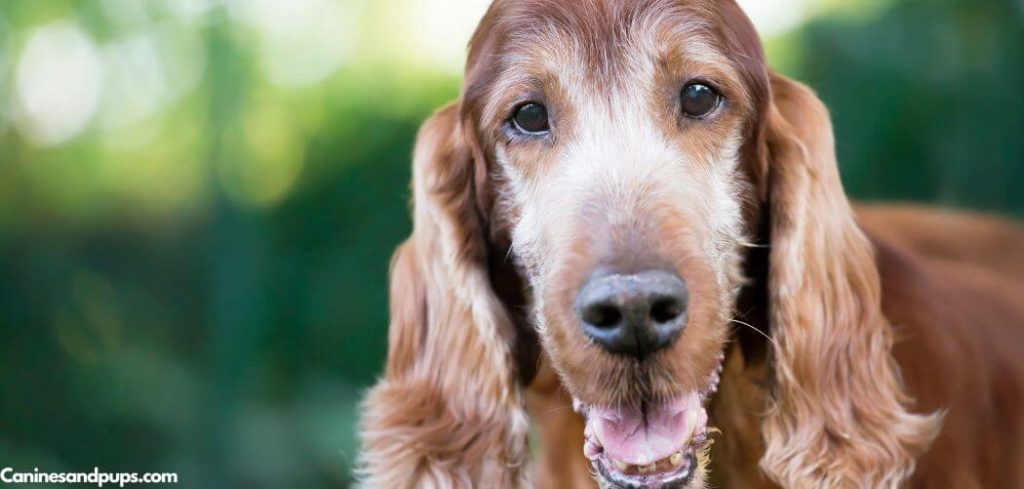
What Does Jaw Chattering Look Like?
Old dog jaw chattering after yawning may appear as:
Rapid clicking of the teeth
A vibrating lower jaw
Small repetitive tremors when closing the mouth
Brief shaking after wide mouth opening
Some dogs show no other symptoms. Others may drool, hesitate to eat, or seem uncomfortable when chewing.
The context and frequency of the movement provide important clues.
Is Jaw Chattering After Yawning Normal?
Yawning is a normal behavior in dogs. It can signal tiredness, relaxation, stress, or even communication. After a wide yawn, the jaw muscles briefly contract to close the mouth again. In some cases, this transition can trigger a short, mild tremble.
However, in senior dogs, repeated jaw chattering after yawning is usually not just a simple muscle reflex. Aging can affect the joints, nerves, teeth, and muscles that control jaw movement.
If the chattering happens occasionally and stops within a second or two, it may not be concerning. If it happens frequently, appears painful, or worsens over time, it deserves evaluation.
Old Dog Jaw Chattering After Yawning: Common Causes
Muscle Fatigue Or Age-Related Weakness
Muscle tone naturally declines with age. The muscles responsible for closing the jaw may tremble briefly after being stretched during a wide yawn.
In this case, old dog jaw chattering after yawning may reflect mild muscle fatigue rather than pain.
Muscle-related chattering is typically brief and not accompanied by other symptoms. However, significant muscle loss can indicate nutritional or systemic issues that require evaluation.
Related: Old Dog Jaw Shaking When Closing Mouth (Why it happens)
Dental Disease And Oral Discomfort
Dental disease is one of the most common causes of jaw chattering in older dogs. As plaque and tartar accumulate over the years, gum inflammation, tooth decay, and infections can develop.
When your dog yawns widely, pressure shifts across the teeth and gums. If an infected tooth or inflamed gum is present, closing the mouth may trigger discomfort, resulting in jaw trembling.
Additional signs of dental disease may include bad breath, drooling, reluctance to chew hard food, pawing at the mouth, or visible tartar buildup.
Because dental issues are extremely common in senior dogs, they are often the first cause veterinarians investigate.
Focal Seizures
Although rare, jaw chattering can represent a focal seizure. These seizures affect only a specific part of the body, such as the jaw.
In a focal seizure, a dog may remain conscious but exhibit repetitive jaw movements that last longer than a typical muscle tremor.
If chattering episodes appear rhythmic, prolonged, or occur independently of yawning, immediate veterinary evaluation is necessary.
Temporomandibular Joint Arthritis
The temporomandibular joint connects the lower jaw to the skull. Like other joints in the body, it can develop arthritis as dogs age.
Yawning stretches this joint to its widest range of motion. If arthritis is present, closing the mouth afterward may cause instability or mild pain, leading to brief chattering.
Dogs with TMJ arthritis may also show stiffness when chewing or hesitation before biting into food.
Joint-related causes often improve with anti-inflammatory treatment.
Trigeminal Nerve Sensitivity
The trigeminal nerve controls jaw movement and sensation. Irritation or dysfunction of this nerve can lead to involuntary movements or tremors.
If nerve signaling becomes unstable, the jaw may chatter briefly when transitioning from open to closed position.
Neurological causes are less common than dental or joint issues but should be considered if no oral pain is found.
In more serious cases, additional signs such as facial asymmetry or difficulty holding objects may appear.
Anxiety
Yawning in dogs is sometimes associated with stress or social communication. In anxious dogs, the jaw may chatter slightly after yawning due to tension.
Senior dogs may become more sensitive to environmental changes as hearing or vision declines.
If chattering occurs primarily during stressful situations and resolves quickly, anxiety may be contributing.
However, persistent trembling outside stressful contexts should be investigated.
Nausea
Nausea can sometimes cause teeth chattering or jaw trembling in dogs.
If jaw chattering occurs near mealtime or is accompanied by lip licking, drooling, or vomiting, gastrointestinal discomfort may be involved.
Senior dogs are more prone to digestive disorders, so persistent nausea should be addressed promptly.
Related: Old Dog Jerking Movements (What it means)
When Should You Be Concerned?
Seek veterinary attention if old dog jaw chattering after yawning is accompanied by:
Loss of appetite
Drooling
Visible oral swelling
Facial weakness
Seizure activity
Weight loss
Lethargy
Any additional neurological or systemic symptoms increase the urgency of evaluation.
Diagnosis
To determine why your senior dog’s jaw chatters after yawning, your veterinarian will perform a thorough examination.
They may evaluate:
Teeth and gums
Jaw joint flexibility
Neurological reflexes
Muscle tone
Diagnostic testing may include:
Dental X-rays
Bloodwork to assess metabolic function
Imaging if neurological disease is suspected
Accurate diagnosis ensures appropriate treatment.
Treatment Options
Treatment depends on the underlying cause:
- Dental disease may require professional cleaning or tooth extraction.
- TMJ arthritis may respond to anti-inflammatory medication and pain management.
- Neurological conditions may require anticonvulsants or specialized therapy.
- Gastrointestinal issues often improve with dietary adjustments and medication.
Related: Dog being sick and shaking (Why it happens)
Supporting Your Senior Dog At Home
- Offer soft food if chewing appears uncomfortable.
- Keep your dog warm, as cold can worsen muscle trembling.
- Reduce environmental stress when possible.
- Monitor for changes in appetite, behavior, or frequency of chattering.
- Schedule regular dental and wellness checkups to detect issues early.
- Avoid administering human medications without veterinary guidance.
Can Jaw Chattering Be Prevented?
While some age-related changes cannot be fully prevented, proactive care reduces risk.
Routine dental cleanings, balanced nutrition, and regular veterinary exams are key.
Early detection of joint or nerve issues improves long-term outcomes.
Key Takeaway
Old dog jaw chattering after yawning is often linked to dental disease, TMJ arthritis, muscle weakness, nerve sensitivity, anxiety, or, in rare cases, focal seizures.
While brief occasional chattering may not be alarming, persistent or worsening episodes should be evaluated.
Senior dogs are more susceptible to underlying health conditions, and subtle signs often provide important early warnings.
If you notice jaw chattering in your aging companion, observe carefully and consult your veterinarian. Immediate diagnosis and appropriate care can help ensure your dog remains comfortable and enjoys their golden years with confidence and well-being.