
A fast heartbeat in an old dog can be scary to witness, especially when it happens suddenly or seems to come out of nowhere.
Senior dogs are more vulnerable to cardiovascular changes, and a rapid heartbeat is often a sign that something in the body is struggling to maintain normal function.
Table of Contents
Old Dog Heart Beating Fast: Why It Happens
An old dog’s heart beating fast is often caused by pain, anxiety, heart disease, respiratory problems, hormonal disorders, dehydration, or underlying illness that increases the body’s demand for oxygen.
Senior dogs are less able to regulate stress, temperature, and cardiovascular function, so their heart rate may rise quickly when something is wrong.
Fast heartbeat in older dogs can appear suddenly or gradually, sometimes accompanied by panting, trembling, pacing, collapse, or restlessness.
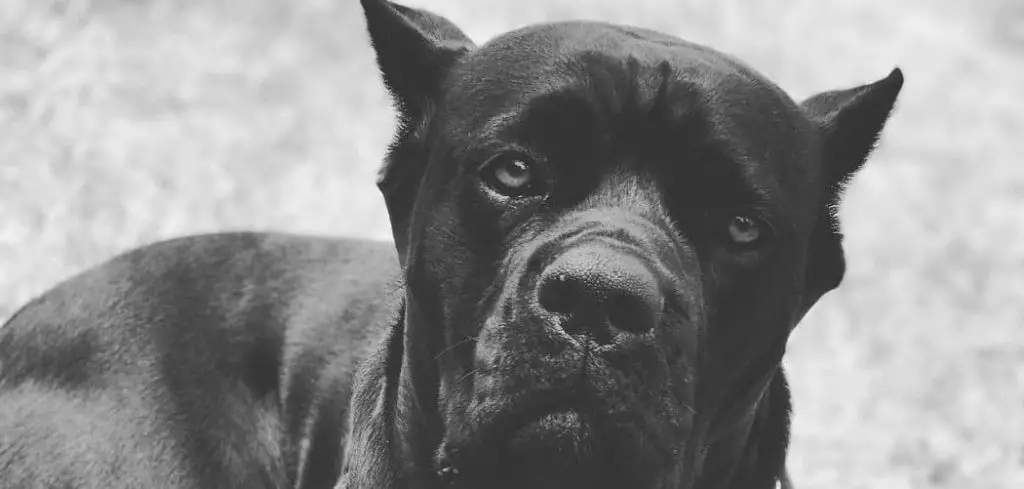
What Is A Dangerously High Heart Rate For Dogs?
A normal resting heart rate for most dogs ranges from about 60 to 140 beats per minute, although smaller dogs and puppies tend to have faster heart rates than larger breeds.
A heart rate that remains significantly above the normal range while the dog is resting, especially above 160–180 beats per minute in an adult dog, can be concerning and may indicate pain, stress, fever, dehydration, heart disease, or another medical problem.
Extremely rapid heart rates can reduce the heart’s ability to pump blood effectively and may become life-threatening if left untreated.
If a dog has a persistently fast heart rate along with weakness, collapse, difficulty breathing, pale gums, or other concerning symptoms, immediate veterinary attention is needed.
Old Dog Heart Beating Fast: Common Causes
Congestive Heart Failure
Heart disease is one of the most common causes of a rapid heartbeat in old dogs. As the heart weakens, it struggles to pump blood efficiently through the body. To compensate, the heart beats faster in an attempt to maintain circulation.
Dogs in the early stages of heart disease may show subtle signs such as fatigue during walks or occasional coughing. As the condition progresses, the heart rate increases more noticeably because the heart is working harder than ever.
Many senior dogs with congestive heart failure retain fluid in the lungs, which makes breathing difficult and triggers an even faster heart rate as the body tries to deliver more oxygen.
This cycle leads to increased panting, restlessness, and an obvious racing heartbeat that often worsens at night or after minimal activity.
The progression is slow but relentless, and the fast heartbeat becomes more pronounced as the heart compensates for its declining strength.
Read more: Old dog breathing heavy and not eating (Why it happens)
Pain, Stress, or Anxiety Increasing Heart Rate
Old dogs often become more anxious or sensitive as they age. Hearing loss, vision decline, cognitive dysfunction, and changes in routine can all trigger stress responses.
When a dog is stressed or frightened, the body releases adrenaline, causing the heart to beat rapidly. Pain has a similar effect.
A dog experiencing internal discomfort, arthritis flare-ups, or abdominal pain may have a racing heart because pain stimulates the sympathetic nervous system.
This elevated heart rate is the dog’s way of coping with distress, but because senior dogs have less physiological reserve, the reaction appears more dramatic.
Many owners notice the racing heartbeat during thunderstorms, grooming, vet visits, nighttime pacing, or after a sudden episode of confusion.
The fast heartbeat may slow when the dog calms, but persistent anxiety leads to chronic cardiovascular strain that worsens with age.
Respiratory Disease or Breathing Difficulty
When an older dog struggles to breathe, the heart must beat faster to deliver oxygen to the body.
Respiratory problems in senior dogs include collapsing trachea, chronic bronchitis, pneumonia, lung disease, and fluid buildup from heart failure.
A dog who cannot take deep breaths becomes panicked, and the heart races in response to the lack of oxygen.
Many owners notice rapid heartbeat during coughing spells, episodes of noisy breathing, or after mild exertion.
Dogs with respiratory illness often exhibit open-mouth breathing, heavy panting, or restlessness because they cannot get enough air. The fast heartbeat is often paired with trembling or pacing as the dog tries to find a comfortable position.
Respiratory conditions progress over time, and the racing heart becomes more frequent as breathing becomes more difficult.
Hyperthyroidism or Hormonal Imbalances
Although hyperthyroidism is more common in cats, older dogs can also develop thyroid or adrenal disorders that elevate heart rate.
An overactive thyroid increases metabolism, causing the heart to pump harder and faster to keep up with the body’s heightened energy demands.
Dogs with hormonal imbalances often exhibit restlessness, weight loss despite normal eating, increased thirst, or heat intolerance.
Cushing’s disease, another endocrine disorder common in old dogs, leads to high cortisol levels that also stimulate the heart to beat rapidly.
These hormonal shifts affect every part of the body and often cause visible anxiety, muscle weakness, and nighttime agitation.
With increased metabolic strain, the heart responds by beating fast even when the dog is resting.
Dehydration, Illness, or Fever
Old dogs become dehydrated quickly due to illness, heat, medication side effects, or reduced drinking. When fluids drop too low, the heart beats faster to maintain blood pressure and push circulation through the body.
Dehydration often occurs alongside vomiting, diarrhea, kidney disease, or infections. A dog with a fever also experiences an elevated heart rate because the body is burning energy quickly to fight inflammation.
Senior dogs with fever may pant heavily, refuse food, tremble, or become unusually lethargic.
Illnesses that cause inflammation—such as infections or pancreatitis—put stress on the cardiovascular system, leading to persistent or intermittent episodes of fast heartbeat that worsen over time if untreated.
Cognitive Dysfunction and Nighttime Restlessness
Cognitive dysfunction causes confusion, anxiety, and sleep disturbances in old dogs, often leading to an elevated heart rate.
Dogs experiencing dementia may pace at night, pant heavily, or become disoriented in familiar surroundings.
During moments of panic or confusion, the heart races in response to stress hormones flooding the system. Many senior dogs with cognitive decline experience “sundowning,” where nighttime anxiety becomes especially intense.
Their heart may beat fast even when they are still because the emotional response itself triggers cardiovascular stress.
Cognitive dysfunction creates a cycle of stress, rapid heartbeat, and exhaustion that worsens without predictable routines and supportive care.
Read more: Old Dog Breathing Heavy (What it means)
Old Dog’s Heart Beating Fast and Shaking
A fast heartbeat combined with shaking is more concerning than a rapid heart rate alone. This combination can occur with pain, fear, fever, low blood sugar, toxin exposure, shock, heart disease, or other serious medical conditions.
Shaking may be mild tremors or more noticeable body trembling, depending on the cause.
If a senior dog is both shaking and experiencing a rapid heartbeat, veterinary attention is recommended as soon as possible.
The symptoms may indicate that the dog is experiencing significant distress or an underlying illness that requires immediate treatment.
Old Dog Heart Beating Fast While Resting
An older dog whose heart is beating rapidly while resting may be experiencing pain, anxiety, fever, dehydration, anemia, heart disease, or another underlying health condition.
Unlike a temporary increase after exercise or excitement, a fast resting heart rate suggests that the body is working harder than normal, even when the dog is calm.
Because senior dogs are more likely to develop heart and organ-related diseases, persistent rapid heartbeats at rest should be evaluated by a veterinarian.
Early diagnosis can help identify and manage potentially serious conditions before they progress.
Old Dog Heart Beating Fast While Sleeping
A dog’s heart rate naturally changes during sleep, particularly during dream phases when the heart may briefly beat faster. However, a consistently rapid heartbeat throughout sleep is not considered normal.
In older dogs, this may be associated with heart disease, respiratory problems, pain, anxiety, or metabolic disorders.
If you repeatedly notice an unusually fast heartbeat while your dog is sleeping, especially if accompanied by coughing, heavy breathing, restlessness, or reduced activity during the day, a veterinary examination is recommended.
Old Dog Heart Beating Fast at Night
A senior dog with a fast heartbeat at night may be experiencing discomfort, anxiety, respiratory distress, pain, or an underlying cardiovascular condition.
Some dogs with heart disease show symptoms more noticeably at night when they are resting, and the environment is quiet.
A rapid heart rate may also occur alongside pacing, panting, coughing, or difficulty settling down.
Because nighttime symptoms can be an early sign of a medical problem, recurring episodes should not be ignored.
Veterinary assessment can help determine whether the cause is cardiac, respiratory, or another health issue.
What to Do If Your Old Dog’s Heart Is Beating Fast
Start by staying calm and observing your dog closely. Note whether the rapid heartbeat occurs at rest, during activity, or alongside symptoms such as coughing, weakness, or trembling.
Move your dog to a quiet, cool environment and minimize stimulation to reduce stress. Offer water slowly if dehydration is suspected, but do not force fluids.
If your dog appears anxious or confused, speak gently and use soft lighting to create a soothing atmosphere.
Avoid strenuous activity until you understand the cause of the fast heartbeat, as exertion can worsen cardiovascular strain.
If your dog seems to be in pain, avoid manipulating limbs or joints and provide a comfortable resting area.
Any sudden or severe increase in heart rate should be monitored carefully, as it often reflects underlying illness that requires timely evaluation.
When to Call or Visit Your Vet
Seek veterinary care if your old dog’s heart is beating fast and you notice any of the following:
• Rapid heartbeat lasting more than a few minutes.
• Coughing, wheezing, or breathing difficulty.
• Collapse, fainting, or sudden weakness.
• Distended belly or swelling in the abdomen.
• Pale gums or labored breathing.
• Trembling, pacing, or extreme anxiety.
• Refusal to eat or drink.
• Vomiting, diarrhea, or signs of dehydration.
• Signs of pain, restlessness, or confusion.
• Any sudden or dramatic change in behavior or mobility.
A racing heart in senior dogs is often a sign of underlying disease that needs prompt evaluation.
Read more: Old Dog Behavior Change (Common age-related shifts)
Old Dog Heart Beating Fast: Treatment
Treatment for a senior dog with a fast heartbeat depends on the underlying cause.
The veterinarian may perform a physical examination, listen to the heart, and recommend tests such as blood work, chest X-rays, blood pressure measurement, or an electrocardiogram (ECG) to determine why the heart rate is elevated.
Treatment may involve managing heart disease, treating pain or infection, correcting dehydration, addressing respiratory problems, or treating another identified condition.
Because a rapid heartbeat is often a symptom rather than a disease itself, successful treatment focuses on diagnosing and addressing the root cause.
Early veterinary care can significantly improve comfort and long-term health outcomes.
Key Takeaway
An old dog with a fast heartbeat may be experiencing heart disease, respiratory issues, pain, hormonal disorders, dehydration, or anxiety.
While the symptom can be frightening, recognizing the underlying causes and seeking timely veterinary care can make a major difference.
With calm observation, supportive care, and proper treatment, many senior dogs regain comfort and stability.


