
When an older dog has diarrhea that lasts more than a day, it can be worrying and exhausting for both you and your dog.
Persistent loose stools often signal that something deeper is affecting your dog’s digestive system, hydration, and overall health.
Table of Contents
Old Dog Has Diarrhea for Two Days: Why It Happens
An old dog having diarrhea for two days is often linked to digestive upset, chronic illness, infection, medication side effects, or age-related organ changes that interfere with normal gut function. As dogs age, their ability to recover quickly from stomach irritation weakens, making even minor problems last longer.
Conditions such as pancreatitis, food intolerance, intestinal inflammation, kidney disease, or stress-related colitis can all contribute to ongoing loose stools.
When diarrhea continues beyond 24 hours in a senior dog, it usually means the body is struggling to restore balance on its own.
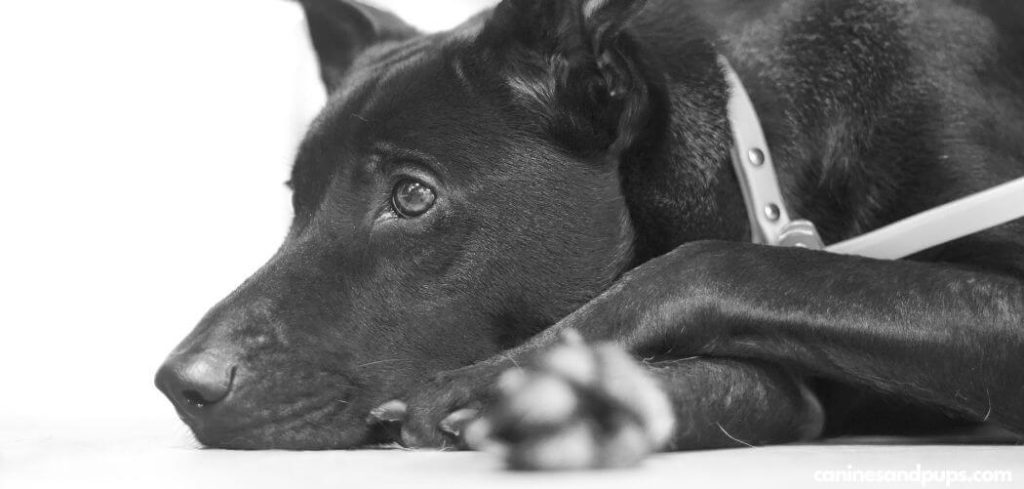
Old Dog Has Diarrhea for Two Days: Is It Normal?
Diarrhea for one day can sometimes be a mild, self-limiting digestive upset. However, in an old dog, diarrhea lasting two days is not considered normal and should be taken seriously.
Senior dogs are more prone to underlying conditions such as inflammatory bowel disease, organ dysfunction (kidney or liver disease), pancreatic problems, infections, or even tumors, all of which can cause persistent diarrhea.
Because older dogs dehydrate more quickly and have less physiologic reserve, even 48 hours of loose stool can lead to weakness, electrolyte imbalance, and worsening of existing health issues.
If your dog is otherwise bright, eating, and drinking normally, it may still be mild—but monitoring is essential.
Related: Old Dog Diarrhea for a Week (Why it happens)
Old Dog Has Diarrhea for Two Days: Signs
If an old dog has had diarrhea for two days, it may start as mild digestive upset but can quickly become more concerning due to age-related vulnerability. Signs include:
Loose, watery, or very soft stools.
Increased frequency of bowel movements.
Urgency or accidents in the house.
Straining or mucus in stool.
Mild lethargy.
Reduced appetite.
Dehydration signs (dry gums, sticky saliva, sunken eyes).
In senior dogs, even 48 hours of diarrhea can lead to significant fluid loss, weakness, and electrolyte imbalance.
If blood appears in the stool, vomiting develops, or the dog becomes weak or uninterested in food, the situation becomes more urgent.
Old Dog Has Diarrhea for Two Days: Common Causes
Age-Related Digestive Decline
As dogs grow older, their digestive system becomes less efficient at breaking down food and absorbing nutrients.
The stomach may produce less acid, digestive enzymes may decrease, and intestinal movement may slow or become irregular. These changes make it easier for food to ferment improperly in the gut, leading to gas, irritation, and loose stools.
When this happens, diarrhea may persist for several days instead of resolving quickly. You may notice undigested food in the stool, increased flatulence, or fluctuating appetite.
Over time, chronic digestive decline can lead to weight loss, weakness, and poor coat quality if not addressed.
Read more: Old Dog Constant Diarrhea (Signs, causes and treatment)
Chronic Inflammatory Bowel Disease (IBD)
Inflammatory bowel disease is a common cause of recurring or prolonged diarrhea in senior dogs.
In this condition, the immune system attacks the lining of the intestines, causing ongoing inflammation and damage. This prevents proper absorption of nutrients and disrupts normal stool formation.
Dogs with IBD often have diarrhea that lasts for days, improves briefly, then returns. They may also vomit, lose weight, seem lethargic, or develop a poor appetite.
Because inflammation worsens over time, untreated IBD can severely impact quality of life in older dogs.
Pancreatitis and Digestive Enzyme Imbalance
The pancreas plays a critical role in digestion by releasing enzymes that break down fat, protein, and carbohydrates.
In older dogs, pancreatitis or pancreatic fatigue can interfere with this process. When enzymes are not released properly, food remains partially digested and irritates the intestines.
This often leads to greasy, foul-smelling diarrhea that lasts for multiple days. Dogs with pancreatic issues may also show abdominal pain, hunched posture, vomiting, weakness, and reluctance to eat. Even mild pancreatitis in seniors can cause prolonged digestive upset.
Food Intolerance
Many senior dogs develop sensitivities to foods they once tolerated well. Aging immune systems and weakened digestion can cause the body to react negatively to certain proteins, grains, preservatives, or additives.
Even small changes in food brand, treats, or table scraps can trigger diarrhea.
In these cases, diarrhea may continue for two or more days until the irritating ingredient clears the system.
You may notice itching, ear infections, gas, or soft stools recurring after meals. Over time, repeated exposure can worsen symptoms and cause chronic gut inflammation.
Intestinal Infections
Older dogs have weaker immune defenses, making them more vulnerable to bacterial, viral, and parasitic infections.
Organisms such as Giardia, Clostridium, E. coli, or intestinal worms can irritate the gut lining and disrupt fluid balance.
These infections often cause diarrhea that persists beyond 24 hours and may be accompanied by mucus, foul odor, or occasional blood. Your dog may also seem tired, dehydrated, or uninterested in food. Without treatment, infections can become serious in senior dogs.
Kidney, Liver, or Hormonal Disease
Systemic illnesses commonly affect digestion in aging dogs. Kidney disease allows waste toxins to build up in the bloodstream, irritating the stomach and intestines.
Liver disease interferes with bile production, which is essential for fat digestion. Hormonal disorders such as Addison’s disease or thyroid imbalance also disrupt normal metabolism.
When these conditions are present, diarrhea may last several days and occur alongside increased thirst, weight loss, vomiting, weakness, or behavioral changes. Digestive symptoms are often early warning signs of organ dysfunction in older dogs.
Related: Old Dog Chronic Diarrhea (Signs, causes and treatment)
When to Call or Visit Your Veterinarian
If diarrhea lasts longer than 48 hours in an older dog, veterinary evaluation is strongly recommended, even if your dog seems otherwise normal. Prolonged diarrhea in seniors is rarely harmless.
Contact your veterinarian immediately if diarrhea is accompanied by vomiting, blood, black stools, fever, severe weakness, or collapse. These signs may indicate internal bleeding, infection, or organ failure.
Seek urgent care if your dog stops drinking, produces very little urine, or shows signs of dehydration such as dry gums and sunken eyes. Dehydration can become life-threatening quickly in elderly dogs.
If your dog has known kidney disease, liver disease, diabetes, or heart problems, any prolonged diarrhea should be evaluated promptly. Existing conditions increase the risk of complications.
Old Dog Has Diarrhea for Two Days: Treatment
Treatment depends on severity and the underlying cause. After two days of diarrhea in a senior dog, a vet will often recommend fecal testing, bloodwork, and possibly abdominal imaging to rule out infection, parasites, organ disease, or inflammatory conditions.
Treatment may include:
Fluid therapy (oral or intravenous) to correct dehydration.
Prescription gastrointestinal diet that is easily digestible.
Probiotics to restore healthy gut bacteria.
Anti-diarrheal or anti-inflammatory medications.
Antibiotics or antiparasitic medications if indicated.
Because older dogs can decline faster than younger ones, early veterinary intervention helps prevent complications such as dehydration, weakness, or worsening underlying disease.
Related: Old Dog Bloody Poop (Signs, causes and treatment)
Key Takeaway
Diarrhea lasting two days in an old dog is a sign that the digestive system is struggling to recover and may be affected by inflammation, infection, organ disease, or dietary intolerance.
While mild stomach upset can happen occasionally, prolonged symptoms in senior dogs deserve careful attention.
Supporting hydration, feeding gently, and monitoring closely can help in the short term, but veterinary guidance is essential if symptoms persist.
With timely care and proper diagnosis, many older dogs can regain digestive stability and enjoy better comfort and quality of life.