
It can be heartbreaking to feel like your old dog is “giving up on life,” especially when they seem withdrawn, tired, or no longer interested in things they once loved.
While this can look like an emotional decision, it’s almost always a sign that something physical or mental is affecting your dog’s well-being.
Table of Contents
Old Dog Giving Up on Life: Why It Happens
An old dog giving up on life is usually a reflection of pain, illness, cognitive decline, or emotional changes rather than a conscious choice.
As dogs age, their bodies and brains undergo changes that can reduce energy, appetite, and engagement, making them appear withdrawn or uninterested.
In many cases, this behavior is your dog’s way of signaling discomfort, confusion, or declining health.
Therefore, an old dog may seem like they are giving up on life because underlying physical or mental changes are affecting their energy, mood, and ability to interact with their environment.
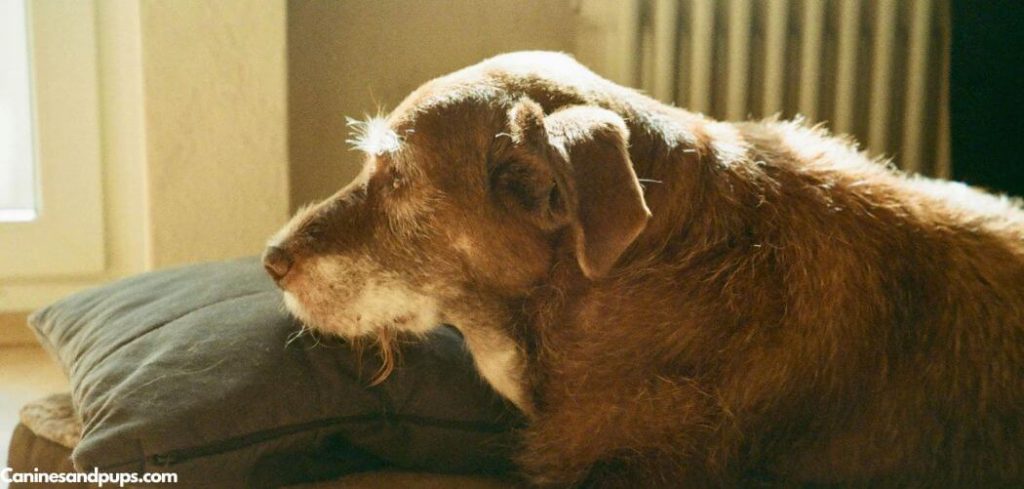
Old Dog Giving Up on Life: Signs
If your old dog seems to be giving up on life, you may notice:
Loss of interest in food or treats
Reduced interaction with people or other pets
Sleeping much more than usual
Lack of enthusiasm for walks or play
Hiding or withdrawing to quiet areas
Slow movement or reluctance to get up
Changes in bathroom habits
Minimal reaction to surroundings
General lethargy or low energy
Read more: Old Dog Behavior Before Death (Signs to expect)
Old Dog Giving Up on Life: Common Causes
Pain and Physical Discomfort
One of the most common reasons an old dog seems to be giving up on life is ongoing pain. Conditions like arthritis, joint degeneration, or internal discomfort can make even simple movements exhausting or unpleasant.
Over time, constant discomfort can reduce your dog’s willingness to engage with their environment.
Activities they once enjoyed—like walking, playing, or even getting up to greet you—may become too painful to attempt.
This gradual withdrawal is often mistaken for emotional decline, but it is frequently rooted in physical suffering that needs attention.
Underlying Illness
Chronic health conditions such as kidney disease, heart problems, or liver issues can significantly impact a dog’s energy levels and overall well-being.
These illnesses often develop slowly, causing fatigue, appetite loss, and weakness. As the body struggles to function normally, dogs may appear uninterested in life simply because they don’t feel well.
In many cases, the behavior is a reflection of how their body is coping internally rather than a loss of emotional drive.
Cognitive Dysfunction (Dog Dementia)
Cognitive dysfunction affects a dog’s brain, leading to confusion, memory loss, and changes in behavior. Dogs with this condition may seem disconnected from their surroundings.
They might stop responding to familiar cues, lose interest in interaction, or appear lost even in familiar environments. This can give the impression that they are “giving up,” when in reality they are struggling to process the world around them.
This condition often progresses gradually and may be accompanied by changes in sleep patterns or increased anxiety.
Related: Old Dog Syndrome (Signs, causes and treatment)
Emotional Changes
Dogs can experience emotional changes, especially after significant life events such as losing a companion, changes in routine, or reduced interaction.
An old dog may become quieter, less engaged, and less responsive. While this can resemble depression, it is often tied to both emotional and physical factors.
A lack of stimulation or social interaction can also contribute to this withdrawn behavior over time.
Vision and Hearing Loss
As dogs lose their vision or hearing, they may become less responsive to their surroundings. This can make them appear disengaged or uninterested.
When a dog cannot see or hear clearly, they may choose to rest more and interact less because navigating the environment feels more challenging.
This can give the impression that they are giving up, when in reality they are adapting to sensory limitations.
Poor Nutrition or Poor Appetite
A lack of proper nutrition can significantly affect energy levels and mood. If your dog is not eating enough or absorbing nutrients properly, they may become weak and lethargic.
Poor appetite is both a symptom and a contributing factor. As energy levels drop, dogs may lose interest in food altogether, creating a cycle that worsens their condition.
Natural Aging
In some cases, what looks like “giving up” is part of the natural aging process. Senior dogs may slow down significantly, requiring more rest and showing less interest in activity.
However, even natural aging should not lead to a complete withdrawal from life. Significant changes should always be evaluated to rule out treatable causes.
Old Dog Giving Up on Life: What to Do
If your old dog seems to be giving up on life, start by closely observing their behavior and any accompanying symptoms. Small details—like changes in appetite, movement, or interaction—can provide important clues.
Focus on comfort and quality of life. Provide a soft, supportive resting area, easy access to food and water, and minimize physical strain.
Encourage gentle interaction without forcing activity. Sitting with your dog, speaking softly, and offering light engagement can help maintain emotional connection.
Ensure your dog is eating a nutritious, appealing diet. Sometimes warming food or offering softer options can encourage eating.
Most importantly, consider a veterinary check-up. Many underlying causes are treatable, and early intervention can improve your dog’s comfort and outlook.
When to Call or Visit Your Vet
If your old dog stops eating or drinking, this is a serious concern that requires immediate attention.
Sudden or severe lethargy, inability to stand, or extreme weakness should also be evaluated urgently.
If your dog appears to be in pain—such as whining, limping, or reacting to touch—this needs prompt care.
Behavior changes accompanied by weight loss, vomiting, or breathing difficulties are also warning signs.
If your dog’s quality of life seems significantly reduced, your veterinarian can help assess their condition and discuss supportive care options.
Old Dog Giving Up on Life: Veterinary Care
Veterinary care for an old dog that seems to be giving up on life depends on the underlying cause.
Your vet may perform blood tests or imaging to identify conditions such as organ disease or metabolic issues.
Pain management is often a key part of treatment, especially if arthritis or chronic discomfort is involved.
For cognitive dysfunction, medications or supplements may help improve alertness and reduce confusion.
If nutritional issues are present, dietary adjustments or supportive feeding strategies may be recommended.
In advanced cases, your vet may also discuss quality-of-life considerations and supportive care to ensure your dog remains as comfortable as possible.
Key Takeaway
When an old dog seems to be giving up on life, it’s usually a sign that something is affecting their health, comfort, or mental state—not a conscious decision to withdraw.
By paying close attention, providing supportive care, and involving your veterinarian, you can often improve your dog’s quality of life and help them feel more comfortable and engaged.
Even small changes in care and attention can make a meaningful difference in your dog’s final years.


