
It can be alarming and confusing when your old dog suddenly becomes aggressive at night, especially if they’ve always been calm and gentle.
Nighttime behavior changes in senior dogs are often linked to deeper physical or cognitive issues rather than intentional aggression.
Table of Contents
Old Dog Gets Aggressive at Night: Why It Happens
An old dog getting aggressive at night is usually caused by confusion, pain, anxiety, or age-related cognitive decline.
As dogs age, their senses and brain function can change, making nighttime feel disorienting or stressful, which may trigger defensive or reactive behavior.
In many cases, what appears as aggression is actually a response to fear, discomfort, or inability to process their surroundings clearly.
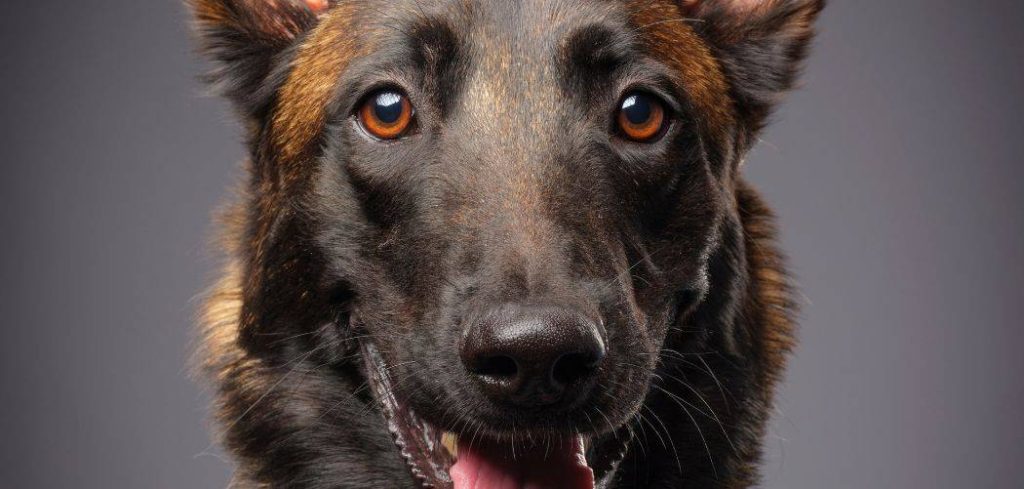
Old Dog Gets Aggressive at Night: Symptoms
If your old dog gets aggressive at night, you may notice behaviors such as:
Growling, snapping, or barking at night
Reacting aggressively when approached or touched in the dark
Sudden mood changes in the evening
Pacing, restlessness, or inability to settle
Confused or disoriented behavior
Increased sensitivity to noise or movement
Guarding behavior around bed or sleeping area
Difficulty recognizing familiar people at night
Old Dog Gets Aggressive at Night: Common Causes
Cognitive Dysfunction (Dog Dementia)
Cognitive dysfunction is one of the most common reasons an old dog gets aggressive at night. This condition affects the brain in ways similar to dementia in humans, leading to confusion, memory loss, and altered behavior patterns.
At night, when the environment is quieter and darker, dogs with cognitive decline can become disoriented and anxious.
They may not recognize familiar surroundings or people, which can trigger fear-based aggression.
This often presents as part of “sundowning,” where symptoms worsen in the evening, leading to pacing, vocalization, and reactive behavior.
Related: Old Dog Syndrome (Signs, causes and treatment)
Reduced Vision or Hearing
As dogs age, their vision and hearing often decline. In low-light conditions, this sensory loss becomes more pronounced, making it harder for them to identify people or objects around them.
When a dog is startled or unsure of what’s approaching, they may react defensively by growling or snapping. This is especially common if they are woken suddenly or approached quietly at night.
The aggression in this case is not intentional—it’s a protective response to feeling vulnerable.
Pain
Chronic pain from conditions like arthritis or internal health issues can become more noticeable at night when a dog is trying to rest.
If your dog is uncomfortable and someone approaches or touches them, they may react aggressively to protect themselves from further pain. This can happen even if they are normally friendly during the day.
Pain-related aggression often appears suddenly and may worsen over time if the underlying issue isn’t addressed.
Anxiety and Nighttime Fear
Older dogs can develop anxiety as they age, particularly at night. Darkness, quiet surroundings, and separation from their owner can make them feel insecure.
This anxiety can lead to heightened sensitivity and reactive behavior. What may seem like aggression is often fear-driven, especially if the dog feels cornered or unsure.
Some dogs may also develop new fears or phobias as their confidence declines with age.
Disrupted Sleep Patterns
Senior dogs often experience changes in their sleep cycle. They may sleep more during the day and become restless or awake at night.
This disruption can lead to irritability, confusion, and reduced tolerance for interaction. If disturbed while trying to rest—or unable to settle—they may react aggressively.
Over time, poor sleep can amplify both behavioral and cognitive issues.
Territorial or Resource Guarding Behavior
Some older dogs become more protective of their sleeping area or personal space, especially if they feel vulnerable.
At night, when they are resting, they may guard their bed or preferred spot and react aggressively if approached. This behavior can be more pronounced in dogs experiencing discomfort or insecurity.
It’s often a combination of instinct and age-related sensitivity.
Underlying Medical Conditions
Certain medical conditions, including neurological disorders or hormonal imbalances, can affect behavior and mood.
These conditions may cause sudden or unusual aggression, particularly in situations where the dog feels stressed or disoriented—like nighttime.
If the behavior is new or escalating, a medical cause should always be considered.
Old Dog Gets Aggressive at Night: What to Do
If your old dog gets aggressive at night, start by creating a calm and predictable nighttime routine. Consistency helps reduce anxiety and makes the environment feel safer.
Improve visibility by using soft lighting in areas where your dog sleeps or moves around. This can help reduce confusion caused by darkness.
Avoid startling your dog. Approach slowly, speak softly before touching them, and give them time to recognize your presence.
Ensure your dog has a comfortable, supportive sleeping area that minimizes joint pain and encourages restful sleep.
If anxiety seems to be a factor, providing reassurance, familiar objects, or calming routines can help your dog feel more secure.
When to Call or Visit Your Vet
If your old dog’s nighttime aggression appears suddenly or worsens quickly, it’s important to seek veterinary advice.
Aggression paired with confusion, pacing, or disrupted sleep may indicate cognitive dysfunction that needs evaluation.
If your dog shows signs of pain—such as limping, stiffness, or sensitivity to touch—this should be addressed promptly.
Behavior changes along with other symptoms like appetite loss, weight changes, or lethargy may point to an underlying medical issue.
Any aggression that poses a safety risk to you or others should be evaluated as soon as possible.
Read more: Old Dog Going Into Corners (Here’s why)
Old Dog Gets Aggressive at Night: Treatment
Veterinary treatment for an old dog that gets aggressive at night depends on the underlying cause.
If cognitive dysfunction is diagnosed, your vet may recommend medications or supplements to support brain health and reduce anxiety-related behaviors.
Pain management is crucial if discomfort is contributing to aggression. This may include medications, joint supplements, or lifestyle adjustments.
For anxiety-related cases, calming medications or behavioral strategies may be recommended to help your dog feel more secure.
If a medical condition is identified, treating that issue often improves behavior significantly.
Key Takeaway
Nighttime aggression in an old dog is often a sign of confusion, discomfort, or fear rather than intentional behavior.
Understanding the underlying cause is key to helping your dog feel safe and supported. Small changes in environment, routine, and care can make a big difference.
If the behavior is new, worsening, or concerning, involving your veterinarian early can help protect both your dog’s well-being and your peace of mind.


