
Seeing your old dog suddenly foaming at the mouth can be alarming and frightening, especially if it happens without warning.
This symptom may be linked to mild digestive upset, but it can also signal serious neurological, toxic, or organ-related problems that require urgent care.
Old Dog Foaming at Mouth: Why It Happens
Foaming at the mouth in old dogs usually happens when saliva mixes with air due to nausea, pain, neurological dysfunction, poisoning, dental disease, or breathing difficulty.
Aging weakens the body’s ability to regulate digestion, nerve signals, and saliva production, making senior dogs more vulnerable to excessive drooling and foam buildup.
Conditions affecting the brain, liver, kidneys, stomach, or mouth can all disrupt normal swallowing and saliva control. In some cases, emotional stress or discomfort may also contribute.
Because this symptom can indicate both minor and life-threatening problems, it should never be ignored in senior dogs.
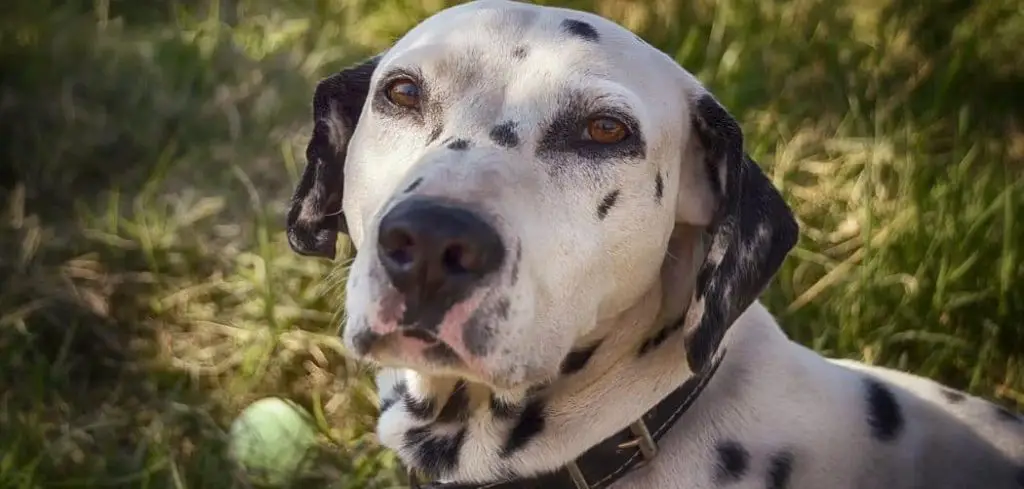
Old Dog Foaming at Mouth: Common Causes
Dental Disease and Oral Infections
Advanced dental disease is one of the most common causes of foaming at the mouth in older dogs.
As dogs age, plaque and bacteria accumulate under the gums, leading to periodontal disease, abscesses, and loose or infected teeth.
These painful conditions cause excessive saliva production as the body attempts to soothe irritated tissues. When this thick saliva mixes with air, it creates a foamy appearance around the lips and mouth.
You may also notice bad breath, pawing at the face, difficulty chewing, bleeding gums, or food dropping from the mouth.
Left untreated, oral infections can spread bacteria into the bloodstream and damage the heart, liver, and kidneys, making this a serious concern.
Read more: Dog foaming at mouth and not eating (What it means)
Nausea and Gastrointestinal Upset
Digestive problems frequently cause foaming at the mouth in senior dogs. When the stomach becomes irritated from gastritis, acid reflux, pancreatitis, dietary changes, or spoiled food, nausea develops.
Nauseated dogs often drool excessively, lick their lips, swallow repeatedly, or retch. This excess saliva may accumulate and turn foamy, especially if the dog is uncomfortable and not swallowing normally.
Other signs may include vomiting, loss of appetite, abdominal discomfort, and restlessness.
In older dogs, repeated digestive upset can signal underlying organ disease, intestinal inflammation, or tumors, making persistent nausea a red flag.
Seizures and Neurological Disorders
Neurological conditions are a major cause of foaming at the mouth in senior dogs. Seizures, brain tumors, cognitive dysfunction syndrome, and inflammatory brain diseases can interfere with muscle control and swallowing.
During a seizure, dogs often drool heavily and produce thick foam due to involuntary jaw movement and impaired swallowing. Even mild or partial seizures may cause subtle foaming without dramatic convulsions.
You may notice disorientation, staring episodes, pacing, weakness, head pressing, or personality changes. Neurological causes are especially serious in older dogs and require prompt veterinary evaluation.
Poisoning and Toxic Exposure
Toxic exposure is one of the most dangerous causes of foaming at the mouth. Older dogs are especially vulnerable due to slower metabolism and reduced detoxification ability.
Common toxins include pesticides, rodent bait, antifreeze, household cleaners, human medications, toxic plants, chocolate, xylitol, and certain mushrooms. These substances irritate the mouth and digestive tract while affecting the nervous system.
Affected dogs may drool excessively, foam at the mouth, vomit, tremble, collapse, or have seizures. Poisoning is a medical emergency, and immediate veterinary treatment is critical for survival.
Kidney and Liver Disease
Chronic kidney and liver disease are common in aging dogs and often contribute to foaming at the mouth. When these organs fail, toxins accumulate in the bloodstream and irritate the digestive system and oral tissues.
Uremic toxins from kidney failure can cause mouth ulcers, nausea, and excessive drooling. Liver dysfunction affects digestion and toxin clearance, leading to similar symptoms.
You may also notice increased thirst, frequent urination, weight loss, poor appetite, vomiting, bad breath, and lethargy.
Organ disease progresses silently, making early signs like foaming especially important.
Respiratory Distress and Breathing Problems
Breathing disorders can cause foaming when saliva accumulates due to impaired airflow or swallowing difficulty. Conditions such as congestive heart failure, pneumonia, collapsing trachea, and lung tumors reduce oxygen delivery.
When dogs struggle to breathe, they may pant excessively, drool, and allow saliva to pool in the mouth. This creates a frothy appearance around the lips.
Signs may include coughing, rapid breathing, blue-tinged gums, exercise intolerance, and weakness. Respiratory distress is life-threatening and requires immediate veterinary care.
Read more: Dog foaming at the mouth with no other symptoms (Hidden causes)
Old Dog Foaming at Mouth: What to Do
If your old dog is foaming at the mouth, begin by staying calm and observing closely. Note when the symptom started, how long it lasts, and whether other signs such as vomiting, tremors, weakness, or confusion are present.
Check your dog’s mouth carefully for visible injuries, foreign objects, swelling, or bad odor. Do this gently to avoid causing stress or pain.
Provide a quiet, comfortable space away from noise and activity. Stress and excitement can worsen drooling and neurological symptoms.
Offer small sips of fresh water if your dog is alert and able to swallow normally, but do not force fluids if swallowing seems difficult.
Avoid giving human medications, home remedies, or food until you know the cause. Some treatments may worsen poisoning, organ disease, or neurological problems.
When to Call or Visit Your Veterinarian
Contact your veterinarian immediately if foaming is sudden, severe, or persistent.
Seek urgent care if foaming is accompanied by seizures, collapse, vomiting, diarrhea, weakness, or difficulty breathing.
Emergency evaluation is required if you suspect toxin exposure, even if symptoms seem mild at first.
Call your vet promptly if your dog shows signs of kidney or liver disease, such as increased thirst, weight loss, bad breath, or poor appetite.
Schedule an appointment if foaming occurs repeatedly, worsens over time, or is paired with behavioral or neurological changes.
Never delay veterinary care in senior dogs, as conditions progress faster and are harder to reverse.
Related: Dog foaming at mouth and drooling (Here’s why)
Key Takeaway
Foaming at the mouth in old dogs is never something to ignore. While mild nausea or dental issues may sometimes be responsible, this symptom often signals serious neurological, toxic, respiratory, or organ-related problems.
Careful observation, early veterinary involvement, and prompt treatment can make a critical difference in your dog’s comfort and survival.
Trust your instincts—if something feels wrong, it’s always better to seek professional help sooner rather than later.