
Noticing that your old dog feels cold to the touch can be alarming, especially if it’s a sudden change from what’s normal for them.
In senior dogs, feeling unusually cold often signals changes in circulation, metabolism, or overall health that shouldn’t be brushed off as “just old age.”
Old Dog Feels Cold to Touch: Why It Happens
An old dog feels cold to the touch when their body is no longer regulating temperature or circulation effectively. This can happen due to reduced blood flow, slowed metabolism, underlying illness, weight loss, or systemic disease that interferes with heat production and retention.
Aging bodies are less efficient at maintaining warmth, so even moderate health changes can cause noticeable coolness in the skin, ears, paws, or abdomen.
While environmental factors sometimes play a role, persistent coldness in a senior dog often points to a medical issue that deserves attention.
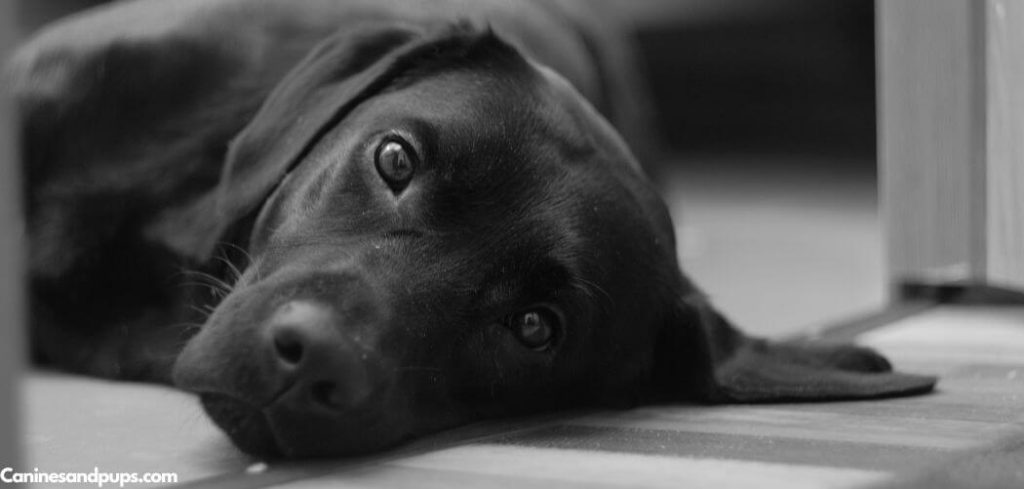
Signs of Old Dog Feeling Cold to Touch
A dog that feels cold to the touch may show additional signs that something isn’t quite right.
You might notice cool ears, paws, tail, or belly, even in a warm room. Some dogs shiver lightly, curl up tightly, or seek out warm spots more than usual. Others may seem lethargic, reluctant to move, or less interested in food.
In more concerning cases, coldness may appear alongside pale gums, weakness, slow movement, weight loss, or changes in breathing and heart rate.
Old Dog Feels Cold to Touch: Symptoms
If your old dog feels cold to the touch, you may notice other signs:
- Cold ears, paws, or body
- Shivering or trembling
- Lethargy or weakness
- Pale gums
- Slow or shallow breathing
- Reduced activity
- Seeking warmth or curling up tightly
- Confusion or unresponsiveness (in severe cases)
Old Dog Feels Cold to Touch: Common Causes
Poor Circulation
As dogs age, the heart and blood vessels may not pump blood as efficiently as they once did. Reduced circulation means less warm blood reaches the skin and extremities, making areas like the ears, paws, and tail feel cold.
Poor circulation can be linked to heart disease, low blood pressure, or general cardiovascular decline.
Along with feeling cold, you may notice fatigue, coughing, exercise intolerance, or slower recovery after activity.
Because circulation supports every organ in the body, this cause is especially important to address early.
Weight Loss
Body fat plays a major role in insulating dogs and helping them retain heat. Older dogs who lose weight—whether gradually or suddenly—often lose this natural insulation as well.
Weight loss in senior dogs is commonly tied to dental disease, digestive issues, cancer, kidney disease, or reduced appetite. When fat and muscle mass decrease, the body struggles to stay warm, even indoors.
Feeling cold to the touch may be one of the first physical signs owners notice before more obvious symptoms appear.
Read more: Old Dog Losing Weight (When to worry)
Slowed Metabolism
Metabolic and hormonal changes can significantly affect body temperature regulation. Conditions such as hypothyroidism slow the body’s metabolism, reducing heat production and making dogs feel cool.
Senior dogs with metabolic disorders may also show thinning fur, weight gain or loss, lethargy, skin changes, or mental dullness.
Because endocrine issues develop gradually, feeling cold can seem subtle at first but worsen over time if untreated.
Illness and Organ Disease
Chronic diseases affecting the kidneys, liver, or other organs can interfere with the body’s ability to regulate temperature. When organs don’t function properly, energy production drops and circulation may suffer.
Dogs with chronic illness often feel cool to the touch and may also display nausea, appetite changes, increased thirst, vomiting, or behavioral changes.
In senior dogs, multiple organs can be affected at once, making temperature changes an important early warning sign.
Anemia
Anemia reduces the number of red blood cells available to carry oxygen and warmth throughout the body. With less oxygen and heat reaching tissues, the skin and extremities may feel noticeably cold.
Anemic dogs may also appear weak, tired, pale-gummed, or short of breath.
Causes of anemia in older dogs include internal bleeding, bone marrow disease, immune disorders, and cancer.
Because anemia can progress quickly, coldness combined with weakness should never be ignored.
Environmental Sensitivity
Even without a major disease, aging alone makes dogs more sensitive to temperature changes. Older dogs have reduced muscle mass, thinner skin, and less efficient temperature regulation, making them feel cold more easily.
This sensitivity becomes more pronounced in cooler seasons, air-conditioned homes, or after bathing.
While environmental factors can contribute, persistent coldness despite a warm environment often indicates something more than simple aging.
Old Dog Feels Cold to Touch: What to Do
If your old dog feels cold, start by gently warming them in a safe, controlled way. Provide soft blankets, a warm (not hot) sleeping area, and limit exposure to drafts or cold floors. Avoid heating pads unless specifically designed for pets, and never apply direct heat without supervision.
Monitor your dog’s overall behavior closely. Take note of appetite, energy level, weight changes, and bathroom habits, as these clues help identify whether coldness is linked to illness. If your dog seems uncomfortable, encourage rest and reduce strenuous activity.
Ensure your dog is eating enough calories to support heat production, especially if weight loss has occurred. Offer balanced, veterinarian-approved nutrition and fresh water at all times.
Do not assume coldness is normal for aging. While senior dogs are more temperature-sensitive, ongoing coolness to the touch should be evaluated rather than managed at home alone.
When to Call or Visit Your Vet
You should contact your veterinarian if your dog consistently feels cold to the touch despite a warm environment. Persistent coldness often indicates an underlying medical issue rather than simple temperature preference.
Seek veterinary care immediately if coldness is accompanied by weakness, collapse, pale gums, rapid or labored breathing, or sudden lethargy. These signs may point to anemia, shock, or serious organ dysfunction.
A vet visit is also necessary if your dog has unexplained weight loss, appetite changes, vomiting, diarrhea, or behavioral changes along with feeling cold. These combinations strongly suggest systemic disease.
In senior dogs, early evaluation can prevent complications and significantly improve comfort and quality of life.
Old Dog Feels Cold to Touch: Treatment
Veterinary treatment for an old dog that feels cold to the touch depends on the underlying cause. Your vet may perform blood tests, temperature checks, and imaging if needed.
Hypothermia is treated with gradual warming and supportive care.
Heart disease and circulatory issues may require medication and ongoing management.
Hormonal imbalances are typically treated with long-term medication.
If shock or severe illness is present, emergency treatment is necessary.
Key Takeaway
When an old dog feels cold to the touch, it’s often a sign that their body is struggling to regulate temperature due to aging, weight loss, poor circulation, or underlying illness. While environmental factors can contribute, persistent coldness should never be dismissed as harmless in senior dogs.
If your dog feels unusually cool, focus on gentle warmth, careful observation, and timely veterinary evaluation.
Identifying the cause early helps protect your dog’s comfort, health, and well-being as they age.