
Seeing your old dog suddenly collapse or lose consciousness can be frightening and confusing, especially when it happens without warning.
Fainting spells in older dogs are often linked to underlying health issues that may worsen if left untreated.
Old Dog Fainting Spells: Why It Happens
Old dog fainting spells happen when there is a temporary interruption in blood flow or oxygen delivery to the brain, causing your dog to suddenly collapse, appear weak, or briefly lose consciousness before recovering.
This is commonly caused by heart problems, breathing issues, neurological conditions, or sudden drops in blood pressure or blood sugar.
When dogs age, their cardiovascular and nervous systems become less efficient, making them more prone to brief episodes of collapse when the brain doesn’t receive enough oxygen or blood flow.
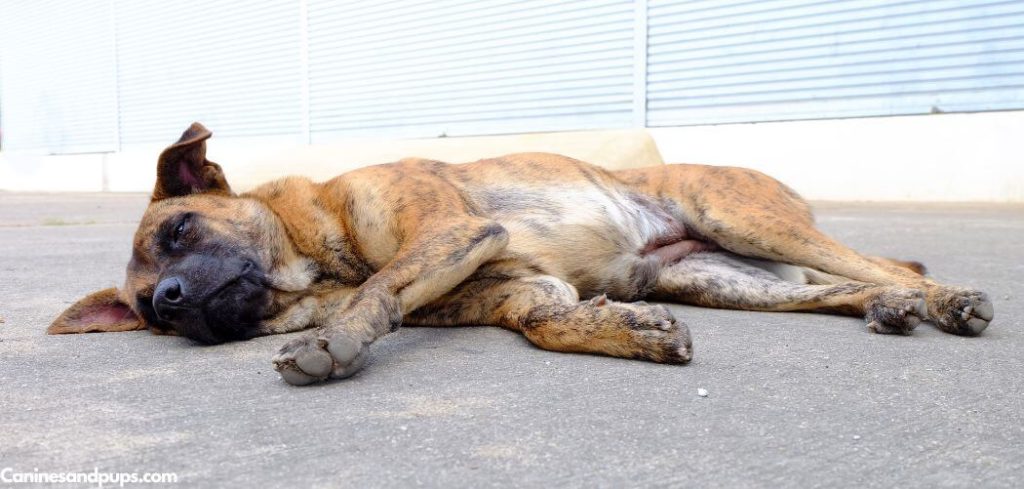
Old Dog Fainting Spells: Symptoms
If your old dog has fainting spells, you may notice:
Sudden collapse or falling over
Brief loss of consciousness followed by quick recovery
Weakness or wobbliness before or after the episode
Pale gums during or after fainting
Rapid or irregular breathing
Coughing or gasping before collapsing
Disorientation after regaining consciousness
Episodes triggered by excitement, activity, or stress
Old Dog Fainting Spells: Common Causes
Heart Disease
Heart-related issues are one of the most common and serious causes of fainting in older dogs.
As dogs age, the heart muscle can weaken, or the electrical signals that control heart rhythm can become irregular.
This can lead to arrhythmias, where the heart beats too fast, too slow, or unevenly. When this happens, the heart may not pump enough blood to the brain, causing a sudden fainting episode.
In some cases, heart valve disease or congestive heart failure can also reduce circulation efficiency.
Your dog may appear normal most of the time, but during moments of excitement or exertion, the heart cannot keep up with the body’s demand, leading to collapse.
Subtle signs like coughing, exercise intolerance, or fatigue often appear before fainting episodes begin.
Read more: Old Dog Falling Over (Here’s why)
Respiratory Problems
Breathing issues can also reduce oxygen levels in the blood, leading to fainting spells.
Conditions such as chronic lung disease, airway obstruction, or laryngeal paralysis are more common in older dogs and can interfere with normal breathing. When oxygen levels drop, the brain is one of the first organs affected.
Dogs with respiratory causes of fainting may show signs like heavy breathing, coughing, or noisy breathing before collapsing. Episodes may be triggered by heat, stress, or physical activity.
Because oxygen deprivation can quickly become dangerous, these cases often require prompt medical attention.
Low Blood Pressure (Syncope)
Syncope is the medical term for fainting caused by a sudden drop in blood pressure.
In older dogs, the body may struggle to regulate blood pressure effectively, especially during changes in position, excitement, or stress. When blood pressure drops too low, the brain briefly doesn’t receive enough blood, leading to collapse.
These episodes are often short, with quick recovery, which can make them easy to dismiss at first. However, repeated fainting spells are a sign that something is disrupting normal circulation.
Underlying causes can include heart disease, dehydration, or certain medications.
Neurological Conditions
Sometimes fainting-like episodes are actually neurological in origin. Seizures, brain tumors, or age-related neurological decline can cause sudden collapse that may resemble fainting.
The key difference is that seizures often involve muscle twitching, paddling, or longer recovery times.
In older dogs, brain-related conditions can develop gradually, with fainting or collapse being one of the first noticeable signs. You may also see changes in behavior, coordination, or awareness.
Distinguishing between fainting and neurological events is important, as the treatments are very different.
Related: Old Dog Neurological Problems (Signs to watch out for)
Low Blood Sugar (Hypoglycemia)
Low blood sugar is less common in older dogs but can still occur, especially in dogs with underlying illnesses.
If blood glucose levels drop too low, the brain doesn’t get enough energy to function properly, leading to weakness, collapse, or fainting.
This can happen in dogs with metabolic disorders, liver disease, or certain types of tumors. Episodes may be more likely if your dog hasn’t eaten regularly or has been unusually active.
Signs like trembling, confusion, or lethargy may appear before the fainting episode.
Anemia
Anemia occurs when there aren’t enough red blood cells to carry oxygen throughout the body.
In older dogs, anemia can develop due to chronic disease, internal bleeding, or bone marrow issues. When oxygen delivery is reduced, the brain becomes vulnerable to fainting episodes.
Dogs with anemia may have pale gums, low energy, and decreased stamina. Fainting may occur during exertion when the body needs more oxygen than it can supply.
This condition often develops gradually but can become serious if untreated.
Read more: Old Dog Front Legs Collapsing (Here’s why)
Old Dog Fainting Spells: What to Do
If your dog experiences a fainting spell, stay calm and make sure they are in a safe, comfortable position where they cannot injure themselves.
Allow your dog to recover naturally without trying to force movement or stimulation, as most fainting episodes resolve within seconds to a minute.
Pay close attention to what happened before, during, and after the episode. Noting triggers like exercise, excitement, or coughing can help your veterinarian identify the cause.
Keep your dog cool and avoid strenuous activity, especially if episodes seem linked to exertion or heat.
Try to record the episode if possible. Video can be extremely helpful in distinguishing between fainting and other conditions like seizures.
Even if your dog appears fine afterward, treat fainting as a warning sign and monitor closely for recurrence.
When to Call or Visit Your Vet
If your old dog has even one fainting episode, it’s important to contact your veterinarian for guidance.
Fainting is rarely normal and often indicates an underlying issue that needs evaluation.
Seek immediate care if your dog does not regain consciousness quickly or appears weak for an extended period after the episode.
This could indicate a more serious event affecting the brain or heart.
If fainting episodes happen repeatedly, increase in frequency, or occur during minimal activity, this is a strong sign of a progressing condition.
You should also seek urgent care if fainting is accompanied by coughing, difficulty breathing, pale gums, or collapse during exercise.
These signs may point to heart or respiratory conditions that require prompt treatment.
Old Dog Fainting Spells: Treatment
Treatment for old dog fainting spells depends entirely on the underlying cause. If heart disease is diagnosed, treatment may include medications to regulate heart rhythm, improve circulation, or reduce fluid buildup.
For respiratory issues, your vet may recommend medications, oxygen support, or lifestyle adjustments to improve breathing.
If fainting is linked to low blood pressure or dehydration, fluid therapy and medication adjustments may be necessary.
Neurological conditions may require imaging, specialized medications, or long-term management strategies.
In cases of anemia or metabolic issues, treatment will focus on addressing the root cause and stabilizing your dog’s condition.
Key Takeaway
Old dog fainting spells should always be taken seriously, even if your dog seems to recover quickly.
They are often a sign that something is affecting blood flow, oxygen delivery, or brain function.
Early diagnosis and treatment can make a significant difference in your dog’s quality of life and safety.
If you notice fainting, don’t wait—working with your veterinarian is the best way to protect your dog as they age.