
Seeing an older dog vomit repeatedly is frightening because it often signals more than a simple upset stomach.
In senior dogs, excessive vomiting is frequently tied to serious internal problems that need prompt attention.
In this guide, we explain the causes of excessive vomiting in an old dog, what to do and when to seek veterinary care immediately.
Old Dog Excessively Vomiting: Why It Happens
An old dog excessively vomiting is usually a sign that the stomach, liver, kidneys, or pancreas is struggling to function normally. Age-related organ decline, chronic inflammation, infections, and hormone disorders can all interfere with digestion and toxin removal, leading to nausea and repeated vomiting.
As dogs get older, their ability to regulate stomach acid, clear waste from the bloodstream, and tolerate dietary changes becomes weaker. Even small imbalances can trigger persistent nausea and stomach irritation in senior dogs.
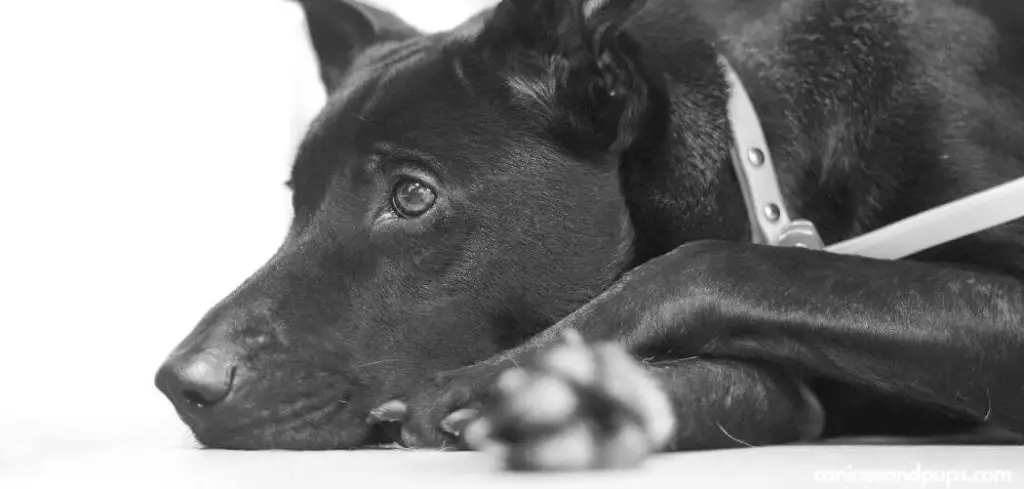
Old Dog Excessively Vomiting: Common Causes
Kidney Disease
Kidney disease is one of the most common and dangerous causes of vomiting in older dogs.
As the kidneys fail, waste products and toxins build up in the bloodstream instead of being filtered out.
These toxins irritate the stomach lining and trigger intense nausea, causing repeated vomiting.
You may also notice increased thirst, frequent urination, weight loss, and a strong ammonia-like odor on your dog’s breath.
Vomiting from kidney disease is serious because dehydration and toxin buildup can rapidly worsen organ failure.
Related: Dog suddenly vomiting and diarrhea (Causes explained)
Liver Disease
The liver plays a major role in detoxifying the blood and aiding digestion. When liver function declines, harmful substances remain in the bloodstream and upset the digestive system.
This leads to nausea, vomiting, diarrhea, and appetite loss.
An old dog excessively vomiting due to liver disease may also show yellowing of the eyes or gums, weakness, or behavioral changes.
Because the liver affects so many bodily processes, vomiting linked to liver problems often worsens without medical intervention.
Pancreatitis
Pancreatitis is an inflammatory condition of the pancreas that is especially dangerous for senior dogs.
The pancreas releases digestive enzymes that should stay inside the intestines. When it becomes inflamed, those enzymes begin damaging surrounding tissues and trigger severe pain and nausea.
This causes frequent vomiting, abdominal tenderness, and refusal to eat.
Pancreatitis can become life-threatening in older dogs because their bodies are less able to control inflammation.
Gastrointestinal Blockage or Tumors
Older dogs are at higher risk for intestinal tumors, foreign objects, or scar tissue that blocks the digestive tract.
When food and fluids cannot move through normally, the stomach responds by vomiting.
You may see repeated retching, bloating, or little to no stool. Weight loss and worsening appetite are also common.
A blockage or tumor is serious because it prevents proper digestion and can lead to tissue damage and infection.
Hormonal Disorders
Diseases such as Addison’s disease or diabetes can cause electrolyte imbalances that upset the stomach.
These imbalances interfere with nerve signals in the gut, leading to nausea and vomiting.
An old dog with a hormone disorder may also show weakness, tremors, excessive thirst, or changes in urination.
Vomiting in these cases reflects a deeper metabolic imbalance that needs medical correction.
Infections and Inflammation
Bacterial, viral, or inflammatory diseases of the stomach and intestines are harder for senior dogs to fight.
Their immune systems are weaker, so even mild infections can cause severe nausea. This leads to repeated vomiting, diarrhea, and dehydration.
Fever, lethargy, and appetite loss often accompany these symptoms.
When an old dog excessively vomits due to infection, it can progress quickly without treatment.
Related: Old dog constant diarrhea (Why it happens)
Old Dog Excessively Vomiting: What to Do
If your old dog is vomiting repeatedly, withhold food for several hours to allow the stomach to rest, but continue to offer small amounts of water.
Make sure your dog stays hydrated, as vomiting leads to rapid fluid loss. Keep them in a quiet, warm environment to reduce stress and stomach irritation.
Monitor how often they vomit and whether they can keep water down. Avoid giving human medications or home remedies, as these can make the problem worse.
If vomiting continues beyond a short period, veterinary care is essential.
When to Call or Visit Your Vet
If your old dog vomits more than once or twice in a day, this is not normal and should be evaluated.
Vomiting combined with lethargy, weakness, or collapse requires urgent attention. Blood in vomit, black stools, or severe abdominal pain are emergency signs.
If your dog refuses water or cannot keep fluids down, dehydration can become life-threatening. Any repeated vomiting in a senior dog should always be taken seriously.
Read more: Old Dog Diarrhea and Blood (What it means)
Key Takeaway
An old dog excessively vomiting is a red flag that something inside the body is not working properly.
Whether the cause is kidney disease, liver failure, pancreatitis, or infection, vomiting is the body’s way of signaling distress.
Early veterinary care can prevent dehydration, organ damage, and serious complications.
If your senior dog is vomiting more than once, trust your instincts and seek help — it can make a life-saving difference.