
If your old dog only eats once a day, it can leave you wondering whether it’s normal aging or a sign of something more serious.
While some dogs naturally adjust their eating habits as they age, a reduced appetite can also indicate discomfort or underlying health issues.
What Does Eating Once a Day Look Like in Senior Dogs?
Some senior dogs consistently skip the same meal, often breakfast. Others delay eating until late afternoon or evening. You might see interest in food without actually eating, sniffing and walking away, or eating very small amounts until one meal “sticks.”
This pattern may be stable for weeks or may gradually worsen. It’s often accompanied by subtle changes such as weight loss, nausea signs, pacing, increased thirst, sleep disruption, or lower energy.
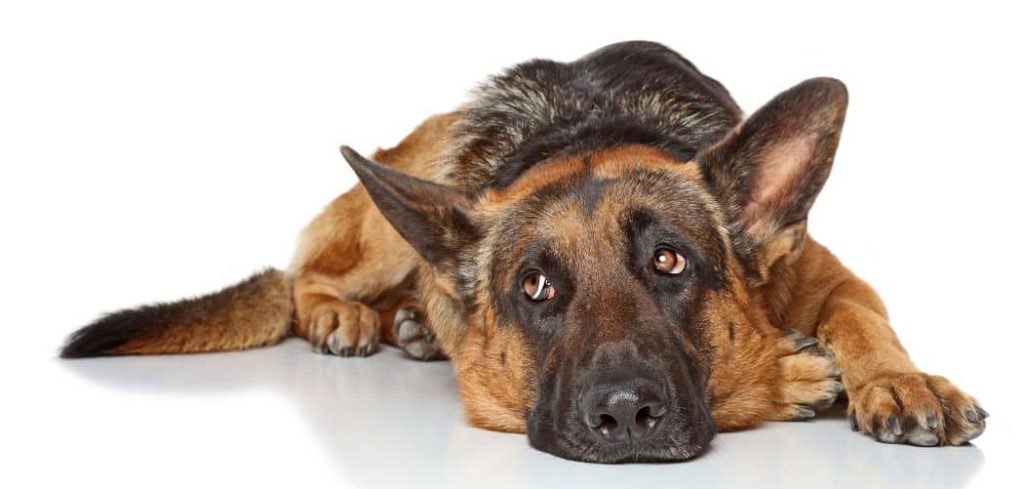
Is It Normal for Old Dogs to Eat Once a Day?
Not exactly. While some healthy adult dogs can thrive on one meal a day, a new shift to once-daily eating in a senior dog is not considered normal aging. In older dogs, appetite changes are more likely to reflect discomfort, altered digestion, or internal imbalance.
The pattern itself matters less than the change. A dog who has always eaten once daily is different from a dog who suddenly stops eating multiple meals.
Old Dog Eats Once a Day: Why It Happens
When an old dog eats once a day, it is usually due to reduced appetite, slower metabolism, or underlying physical or medical factors affecting feeding behavior.
As dogs age, their energy needs may decrease, but a noticeable drop in eating frequency can also be linked to dental pain, illness, digestive changes, or cognitive decline. The key is distinguishing between normal adjustment and a sign of a deeper issue.
An old dog that eats only once daily may still be getting enough nutrition—or may be struggling with something that makes eating less appealing or uncomfortable.
Old Dog Eats Once a Day: Symptoms
If your old dog eats only once a day, you may notice:
Skipping meals
Eating smaller portions
Taking longer to finish food
Weight loss (in some cases)
Reduced enthusiasm for food
Lethargy
Changes in drinking habits
Selective eating
Occasional vomiting or nausea
Behavioral changes
Old Dog Eats Once a Day: Common Causes
Natural Aging and Reduced Appetite
As dogs get older, their metabolism slows down and their energy requirements decrease. This means they may naturally feel less hungry than they did when they were younger.
In some cases, eating once a day may be enough to meet their reduced energy needs. However, this change is usually gradual and not accompanied by other concerning symptoms.
The dog still appears healthy, maintains weight, and shows normal behavior. If your dog is otherwise stable, this may simply be an adjustment to aging rather than a problem.
Read more: Old Dog Not Eating (When to worry)
Dental Disease or Oral Pain
Dental issues are one of the most common hidden reasons older dogs eat less frequently. Conditions such as gum disease, loose teeth, or infections can make chewing uncomfortable or painful.
Rather than refusing food completely, some dogs will limit how often they eat to avoid repeated discomfort.
They may choose to eat once when they feel hungry enough but avoid additional meals.
You might notice slow chewing, dropping food, or preference for softer foods. Over time, this can lead to reduced overall intake and weight loss.
Nausea
Digestive issues can make eating feel unpleasant, leading dogs to reduce how often they eat. Nausea may not always be obvious but can significantly affect appetite.
Dogs experiencing nausea may approach food but turn away, or eat small amounts and stop. They may only eat once when hunger outweighs discomfort.
Signs such as lip licking, drooling, or occasional vomiting may accompany this issue. In older dogs, digestive sensitivity increases, making this a common cause.
Chronic Illness
Underlying health conditions such as kidney disease, liver problems, or other systemic illnesses can reduce appetite and change eating patterns.
These conditions often cause a general feeling of unwellness, making food less appealing. Instead of completely stopping eating, some dogs reduce their intake to once a day.
Over time, additional symptoms such as weight loss, lethargy, or increased thirst may appear, indicating a deeper issue.
Cognitive Dysfunction (Dog Dementia)
Cognitive dysfunction (cognitive decline) can affect memory and routine, including feeding habits. Dogs with this condition may forget when they were last fed or lose interest in regular eating patterns.
This can lead to inconsistent eating, including eating only once a day.
You may also notice confusion, wandering, or changes in sleep patterns. The reduced frequency of eating is often part of a broader behavioral shift.
Medication Side Effects
Certain medications can affect appetite by causing nausea, changes in taste, or general discomfort.
If your dog recently started a new medication, it may be contributing to reduced eating frequency.
The dog may still eat occasionally but avoid regular meals due to how the medication makes them feel.
Read more: Old Dog Belly Hard and Bloated (Causes explained)
Old Dog Eats Once a Day: What to Do
If your old dog eats once a day, start by monitoring their weight and overall condition. If they are maintaining weight and energy, it may not be a concern.
Offer smaller, more frequent meals to encourage eating without overwhelming your dog.
Try warming food or offering softer options to make meals more appealing. Ensure your dog has a calm, comfortable feeding environment. Keep track of any additional symptoms such as weight loss or behavior changes.
When to Call or Visit Your Vet
If your dog is losing weight or showing reduced energy, consult your veterinarian.
Sudden changes in eating habits should always be evaluated. Signs of dental pain, nausea, or illness require prompt attention.
If your dog refuses food entirely or shows other symptoms, seek veterinary care. Any ongoing change in appetite in a senior dog should not be ignored.
Old Dog Eats Once a Day: Treatment
Veterinary treatment depends on identifying the underlying cause. Your vet may perform blood tests, dental exams, or imaging.
Dental issues may require cleaning or extractions. Digestive problems may be treated with medication or diet changes.
Chronic illnesses will be managed based on diagnosis. Appetite stimulants or supportive care may be recommended if needed.
Key Takeaway
An old dog eating once a day can be normal or a sign of an underlying issue, depending on the situation.
Monitoring weight, behavior, and additional symptoms is key to understanding the cause.
If in doubt, veterinary evaluation can help ensure your dog remains healthy and comfortable.
With proper care, many senior dogs can maintain a stable and balanced eating routine.