
Dull or cloudy-looking eyes in an old dog can be unsettling, especially if your pet once had bright, clear, expressive eyes. Some changes are a normal part of aging, but others may be a sign of underlying health issues.
Table of Contents
Understanding Eye Changes in Senior Dogs
As dogs enter their senior years, typically around age seven and beyond depending on breed, their bodies begin to slow down. The eyes are no exception. Aging affects tissue elasticity, tear production, and cellular regeneration. These changes can gradually alter the appearance of your dog’s eyes.
However, not every dull appearance signals a serious problem. The key is knowing the difference between natural aging and medical conditions.
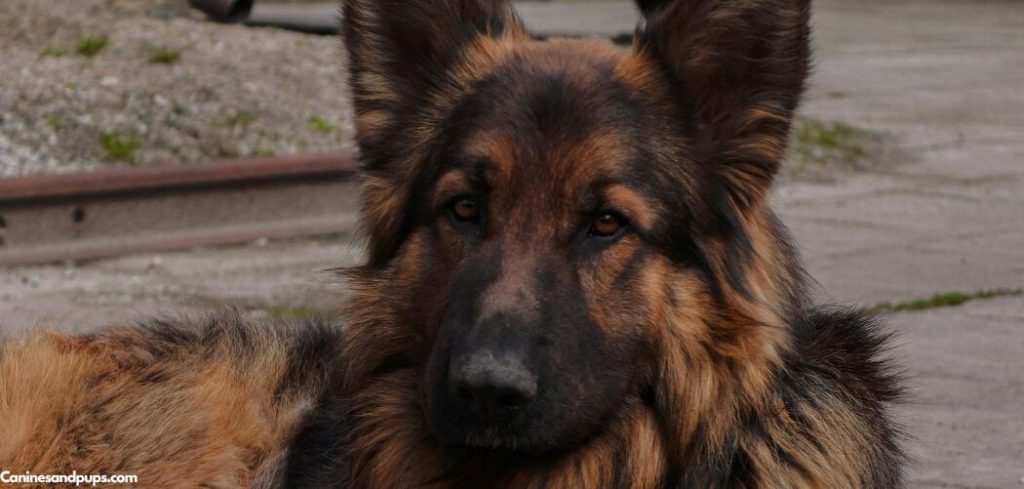
Why Dog Eyes Lose Their Spark With Age
The lens inside a dog’s eye naturally thickens over time. This process changes how light passes through the eye, sometimes creating a slightly bluish or gray haze. Tear production may also decline, leading to less lubrication and a less glossy surface.
Additionally, senior dogs may become less active or alert, which can affect how bright or expressive their eyes appear. A relaxed, slower lifestyle often translates into softer facial expressions.
The Difference Between Normal Aging and Disease
Normal aging changes tend to occur gradually and symmetrically in both eyes. The dog remains comfortable and active without signs of pain.
In contrast, disease-related dullness may appear suddenly, worsen quickly, or be accompanied by redness, discharge, squinting, or vision changes. If your dog begins bumping into furniture or seems hesitant in dim lighting, further assessment is necessary.
Old Dog Dull Eyes: Why It Happens
Dull eyes in an old dog are often caused by natural aging changes, vision decline, or underlying eye or systemic health conditions.
As dogs grow older, the eyes can lose their natural brightness due to reduced tear production, lens changes, or decreased overall vitality, while issues like infections, cataracts, or chronic illness can further affect their appearance.
In some cases, dull eyes reflect not just eye problems but a general decline in health or energy levels.
Read more: Old Dog Going Blind and Deaf (What to expect and how to help)
Old Dog Dull Eyes: Symptoms
If your old dog has dull eyes, you may notice changes in both appearance and behavior:
Eyes appear cloudy, hazy, or less shiny
Reduced brightness or “sparkle” in the eyes
Dry-looking or slightly sunken eyes
Redness or mild irritation
Increased blinking or squinting
Watery discharge or tear staining
Bumping into objects or vision changes
Less eye contact or slower responsiveness
Old Dog Dull Eyes: Common Causes
Eye Changes
As dogs age, subtle structural changes occur within the eyes that can affect how they look.
One of the most common is a natural hardening of the lens, which can create a mild bluish or dull appearance. While this doesn’t always affect vision significantly, it can make the eyes look less clear and vibrant.
In addition, older dogs may produce fewer tears, leading to dryness that reduces the natural shine of the eyes. Over time, these normal aging processes combine to give the eyes a more tired or muted appearance.
Cataracts
Cataracts are a common cause of dull or cloudy eyes in older dogs. They occur when the lens becomes opaque, blocking light from passing through properly.
As cataracts develop, the eyes may look white, cloudy, or dull rather than clear. Vision often becomes impaired, and dogs may start to hesitate when moving around or bump into objects.
Cataracts can progress slowly or more rapidly depending on the cause, and they often require veterinary evaluation to determine severity and treatment options.
Dry Eye
Dry eye is a condition where the eyes do not produce enough tears to stay properly lubricated. Without adequate moisture, the eyes can appear dull, dry, and irritated.
Over time, this dryness can lead to inflammation, discharge, and even damage to the eye surface. Dogs with dry eye may blink more frequently, squint, or paw at their face.
This condition is relatively common in older dogs and requires treatment to prevent discomfort and long-term damage.
Underlying Illness
Sometimes dull eyes are not just about the eyes themselves but reflect a broader health issue. Chronic illnesses such as kidney disease, liver disease, or infections can affect a dog’s overall vitality.
When a dog isn’t feeling well, their eyes may lose brightness and appear tired or sunken. This is often accompanied by other signs like lethargy, reduced appetite, or weight changes.
In these cases, the eyes are giving you a visual clue that something deeper may be going on.
Eye Infections or Inflammation
Bacterial or viral infections can cause redness, discharge, and irritation in the eyes. Inflammation can make the eyes appear dull rather than clear and bright.
Dogs with eye infections may squint, blink excessively, or have visible discharge that dries around the eyes. The discomfort can also cause them to avoid light or keep their eyes partially closed.
If left untreated, infections can worsen and potentially affect vision.
Glaucoma
Glaucoma is a serious condition caused by increased pressure within the eye. It can lead to a dull or cloudy appearance along with pain and vision loss.
The eye may appear enlarged, red, or hazy, and dogs often show signs of discomfort such as rubbing the eye or avoiding touch.
Glaucoma requires immediate veterinary attention, as it can quickly lead to permanent blindness if not treated.
Read more: Old Dog Goopy Eyes (When discharge becomes a problem)
Emotional Changes
In some older dogs, dull eyes may reflect emotional or behavioral changes rather than a direct eye issue.
Reduced activity, cognitive decline, or even depression can make a dog appear less engaged.
Their eyes may seem less bright simply because they are less alert or responsive to their surroundings. This can be subtle but noticeable over time.
Old Dog Dull Eyes: What to Do
If your old dog has dull eyes, start by observing any other changes in behavior, vision, or overall health. Noticing patterns—such as increased sleeping, bumping into objects, or discharge—can help determine whether the issue is mild or more serious.
Keep your dog’s eyes clean by gently wiping away any discharge with a soft, damp cloth. This helps prevent buildup and allows you to better monitor any changes.
Ensure your dog is well-hydrated and eating a balanced, nutritious diet. Good overall health plays a key role in maintaining eye clarity and function.
Provide a safe and familiar environment, especially if vision may be declining. Keeping furniture in the same place and minimizing obstacles can help your dog feel more secure.
Most importantly, monitor the condition closely. If the dullness worsens or is accompanied by other symptoms, it’s best to involve your veterinarian early.
When to Call or Visit Your Vet
If your old dog’s eyes suddenly become cloudy, dull, or change in appearance, it’s important to seek veterinary advice.
Signs like redness, swelling, discharge, or squinting indicate irritation or infection that needs treatment.
If your dog seems to be losing vision—bumping into objects, hesitating in familiar spaces, or becoming anxious—this should be evaluated promptly.
Pain-related signs such as pawing at the eyes, sensitivity to light, or keeping the eyes closed are also red flags.
Any rapid change in eye appearance or behavior should never be ignored, as some conditions can progress quickly.
Old Dog Dull Eyes: Treatment
Veterinary treatment for dull eyes in an old dog depends on the underlying cause.
Your vet may perform a detailed eye examination, including tear production tests and pressure measurements, to identify conditions like dry eye or glaucoma.
If cataracts are present, your vet will assess whether they are affecting vision and discuss possible management or surgical options.
Infections are typically treated with medicated eye drops or ointments, while dry eye often requires long-term medication to stimulate tear production.
If an underlying illness is suspected, blood tests or additional diagnostics may be recommended to address the root cause.
Key Takeaway
Dull eyes in an old dog can be a normal part of aging, but they can also signal underlying health or vision problems that deserve attention.
By paying close attention to changes in your dog’s eyes, behavior, and overall condition, you can catch potential issues early and provide the care they need.
When in doubt, it’s always best to have your veterinarian take a closer look—because protecting your dog’s comfort and vision is worth it.


