
When an old dog starts passing very dry, hard stools, it can be more than just a minor digestive issue.
Constipation, dehydration, and underlying medical conditions are common in senior dogs and can quickly lead to discomfort, pain, and serious complications if left unaddressed.
In this guide, we explain the most common causes of dry poop in old dogs, what you can do at home, and when to seek veterinary care.
Table of Contents
What Is Dry Poop in Old Dogs?
Dry poop in old dogs refers to hard, firm, crumbly, or pellet-like stools that are often difficult to pass. It usually indicates mild dehydration, low fiber intake, slowed digestion, or reduced intestinal motility, which are more common as dogs age.
Senior dogs may drink less water, exercise less, or develop underlying health issues that affect bowel function, leading to drier-than-normal stools.
Occasional dry stool may not be serious, but persistent dryness can lead to constipation and discomfort.
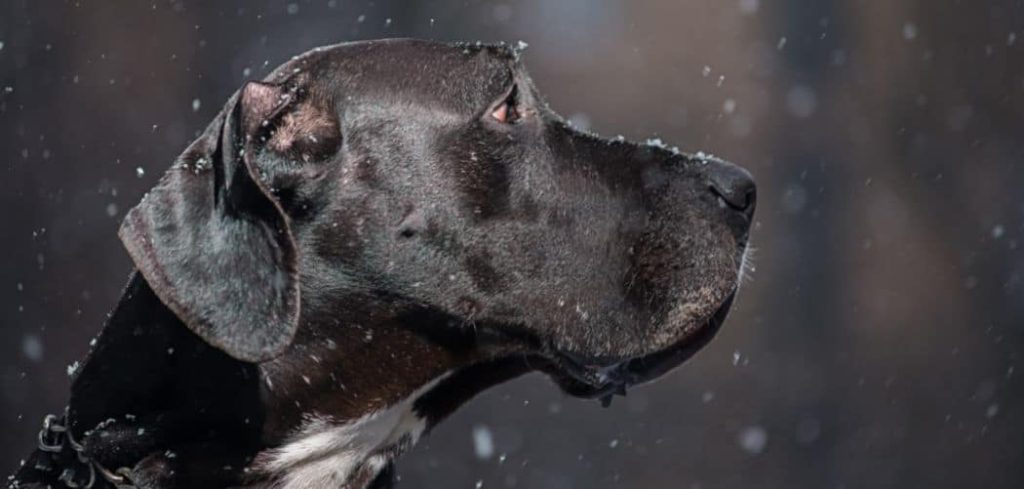
Old Dog Dry Poop: Why It Happens
Dry, hard poop in an old dog is usually caused by dehydration, slowed digestion, chronic illness, pain-related stool retention, or changes in how the intestines absorb water. As dogs age, their digestive system becomes less efficient, their thirst response may weaken, and medical conditions become more common.
Reduced mobility, kidney disease, medication side effects, and neurological changes can all interfere with normal bowel movements.
Over time, these factors cause too much water to be absorbed from stool, making it difficult and painful to pass.
Old Dog Dry Poop: Signs
Signs of dry poop in older dogs include:
Hard, small, or pebble-like stools.
Straining during bowel movements
Longer time squatting with little output.
Whining or discomfort while defecating.
Reduced frequency of bowel movements.
Scooting or licking the anal area.
In more advanced cases, the dog may show lethargy, bloating, decreased appetite, or abdominal discomfort, especially if constipation develops. If no stool is passed for more than 48 hours, it may indicate worsening constipation or fecal impaction.
Old Dog Dry Poop: Common Causes
Chronic Dehydration
One of the most common reasons an old dog develops dry poop is long-term mild dehydration. As dogs age, their natural thirst drive often weakens, meaning they may not drink enough water even when their body needs it.
When a dog does not take in enough fluids, the colon compensates by pulling extra moisture from the stool before it is eliminated.
This results in small, hard, crumbly, or compacted feces that are difficult to pass. Over time, chronic dehydration can also reduce circulation to the intestines, further slowing digestion.
You may notice your dog drinking less, urinating smaller amounts, having dry gums, or appearing slightly lethargic. Because dehydration often develops gradually, many owners do not recognize it until constipation becomes severe.
In senior dogs, ongoing dehydration increases the risk of bowel obstruction, rectal injury, and kidney strain.
Related: Old dog pooping in sleep (Why it happens)
Chronic Kidney Disease
Kidney disease is extremely common in older dogs and plays a major role in dry stool formation. When the kidneys begin to fail, they lose their ability to properly regulate water and electrolytes in the body.
Affected dogs often urinate excessively in early stages and lose more fluid than they take in.
Even if they appear to drink normally, they may still become chronically dehydrated at the cellular level. This persistent fluid loss leads to increased water absorption from stool in the colon.
Signs of kidney disease may include increased thirst, weight loss, reduced appetite, bad breath, nausea, and changes in urination patterns. Dry, hard stools may be one of the earliest digestive signs.
Without treatment, kidney-related dehydration can worsen constipation and contribute to systemic illness.
Reduced Intestinal Motility
As dogs age, the muscles and nerves that control intestinal movement gradually weaken. This condition, often referred to as reduced gut motility, slows the passage of food and waste through the digestive tract.
When stool remains in the colon longer than normal, more water is absorbed from it. The longer stool sits in the intestine, the harder and drier it becomes. Eventually, it may become impacted and very difficult to pass.
Dogs with reduced motility may strain without producing much stool, take longer during bathroom breaks, or pass small pellets instead of normal stools. They may also show bloating or reduced appetite.
This slowing of digestion is a natural aging process but becomes problematic when combined with dehydration, illness, or inactivity.
Pain and Stool Retention
Many senior dogs suffer from arthritis, hip dysplasia, spinal disease, or muscle weakness. These conditions can make squatting and posturing to defecate painful.
When bowel movements hurt, dogs may begin to hold in their stool to avoid discomfort. This voluntary retention allows more water to be absorbed from the feces, leading to increasingly dry and compacted stools.
You may notice your dog hesitating before going outside, pacing before defecating, crying while squatting, or attempting to defecate multiple times unsuccessfully.
Some dogs may choose inappropriate locations indoors because they cannot hold the posture long enough outdoors.
Pain-related stool retention can quickly lead to severe constipation and fecal impaction if not addressed.
Medication Side Effects
Many older dogs take medications for chronic conditions, and several common drugs can interfere with normal bowel function.
Pain medications, antihistamines, diuretics, antidepressants, and some heart medications may all contribute to constipation.
Some drugs reduce intestinal movement, while others increase fluid loss through urination. Certain medications may also alter electrolyte balance, which affects muscle contractions in the colon.
Dogs affected by medication-related constipation may develop dry stool shortly after starting a new prescription or changing doses. They may also experience reduced appetite, nausea, or behavioral changes.
Without veterinary adjustment, medication-induced constipation can become chronic.
Neurological and Spinal Disorders
Nerve disorders affecting the spine, pelvis, or colon can interfere with bowel control in senior dogs.
Degenerative myelopathy, disc disease, spinal arthritis, and nerve compression can disrupt signals between the brain and digestive system.
When nerve function is impaired, the colon may not contract properly, and the dog may lose the urge to defecate at normal intervals. This leads to prolonged stool retention and excessive water absorption.
Dogs with neurological involvement may also show weakness in the hind legs, difficulty standing, dragging paws, or changes in posture. Some may leak stool or have inconsistent bowel habits.
These conditions are serious and often progressive, requiring veterinary management.
Related: Old dog dropping poop randomly (Here’s why)
Old Dog Dry Poop: What to Do
If your old dog is passing dry, hard stools, start by ensuring constant access to clean, fresh water and encouraging regular drinking throughout the day. Adding water to meals or offering low-sodium broth can help improve hydration safely.
Feed a consistent, high-quality senior diet that contains appropriate fiber levels. Sudden food changes should be avoided, but gradual dietary adjustments may improve stool softness and regularity.
Encourage gentle daily movement through short walks and light activity. Regular movement helps stimulate intestinal contractions and supports healthy digestion.
Make bathroom breaks frequent and stress-free. Give your dog plenty of time and avoid rushing them, especially if they have mobility issues.
If pain is suspected, consult your veterinarian about appropriate pain management. Never give human laxatives or pain medication without veterinary guidance, as these can be dangerous.
When to Call or Visit Your Veterinarian
Contact your veterinarian if your dog has not produced a normal bowel movement for more than 48 hours, is straining without results, or appears distressed during defecation.
Seek immediate care if dry stool is accompanied by vomiting, lethargy, loss of appetite, abdominal swelling, or weakness. These may indicate obstruction or systemic illness.
Urgent evaluation is needed if you see blood in the stool, severe pain, collapse, or sudden behavioral changes.
If constipation keeps returning despite home care, veterinary testing is necessary to identify kidney disease, neurological disorders, hormonal imbalances, or structural problems.
Early intervention prevents fecal impaction, intestinal injury, and secondary complications.
Read more: Dog pooping bloody mucus but acting normal (What it means)
Old Dog Dry Poop: Treatment
Veterinary treatment focuses on hydration, improving stool moisture, and addressing underlying causes. The veterinarian may recommend increasing water intake, switching to a higher-fiber or prescription gastrointestinal diet, or adding stool softeners or fiber supplements.
In cases of constipation, mild laxatives or motility medications may be prescribed. If impaction occurs, manual removal or enemas may be necessary under veterinary supervision.
For chronic cases, treatment may also involve managing contributing conditions such as arthritis (which limits posture for defecation), dehydration, kidney disease, or neurological decline.
Early intervention helps prevent painful constipation and more serious complications in senior dogs.
Key Takeaway
Dry poop in an old dog is usually a sign of dehydration, slowed digestion, pain, medication effects, or chronic illness. While occasional constipation can happen, persistent dry stool should never be ignored in senior dogs.
Supporting hydration, mobility, and comfort at home is important, but repeated or severe symptoms require veterinary attention.
With proper diagnosis and care, most older dogs can regain comfortable, regular bowel movements and maintain a better quality of life.