
Noticing mucus in your old dog’s stool can be alarming, especially when it appears suddenly or happens repeatedly.
This symptom often signals irritation, inflammation, or disease inside the digestive tract and should never be ignored.
This guide explains the most common causes of diarrhea with mucus in old dogs, what you can do at home, and when it’s best to involve your veterinarian.
Table of Contents
What Is Diarrhea With Mucus in Old Dogs?
Diarrhea with mucus in old dogs refers to loose or watery stool coated or mixed with a clear, slimy, or jelly-like substance. Mucus is produced by the intestines to lubricate and protect the lining, but excess mucus usually signals inflammation of the colon (colitis).
While mild mucus can occasionally occur with temporary digestive upset, repeated mucus in stool is not considered normal in older dogs.
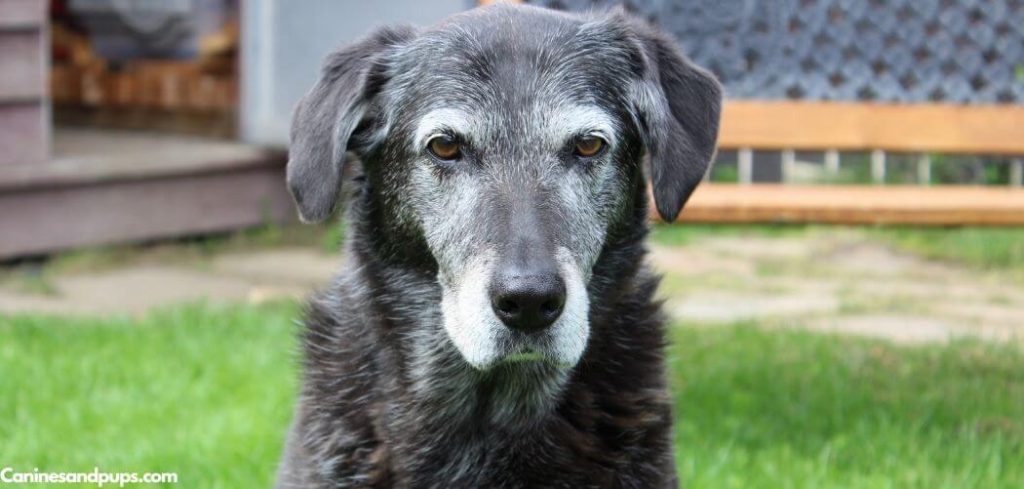
Old Dog Diarrhea With Mucus: Why It Happens
Old dog diarrhea with mucus usually happens when the lining of the intestines becomes irritated, inflamed, or damaged by infection, disease, stress, diet changes, or organ dysfunction.
As dogs age, their immune system weakens and their digestive tract becomes more sensitive, making them more vulnerable to chronic inflammation, infections, cancer, and food intolerance.
Conditions such as colitis, inflammatory bowel disease, parasites, and pancreatic disorders can cause the intestines to produce excess mucus as a protective response. In some cases, serious underlying illnesses like kidney disease, liver disease, or tumors interfere with normal digestion and lead to abnormal stool.
When mucus appears along with diarrhea in an older dog, it is often a sign that the gut is struggling to function properly and needs medical attention.
Read more: Old Dog Constant Diarrhea (Signs, causes and treatment)
Old Dog Diarrhea With Mucus: Signs
Signs commonly seen include:
Loose or watery stool with visible slimy coating
Frequent small bowel movements
Straining during defecation
Urgency or accidents in the house
Gas and abdominal discomfort
Occasional streaks of bright red blood
Mild lethargy or reduced appetite
In chronic cases, older dogs may also show weight loss or ongoing digestive sensitivity. If mucus is accompanied by significant blood, vomiting, or weakness, the condition becomes more urgent.
Old Dog Diarrhea With Mucus: Common Causes
Colitis and Large Intestine Inflammation
Colitis is one of the most common causes of mucus in an older dog’s stool and occurs when the large intestine becomes inflamed.
This inflammation causes the colon to produce excess mucus in an attempt to protect itself from irritation and damage.
Dogs with colitis often strain to defecate, pass small amounts of stool frequently, and may have accidents in the house.
In senior dogs, colitis may develop due to chronic stress, bacterial imbalance, dietary intolerance, immune dysfunction, or previous gastrointestinal disease.
As the colon becomes more inflamed, water absorption is disrupted, leading to loose stools mixed with clear or whitish mucus. If untreated, chronic colitis can worsen over time and contribute to weight loss, dehydration, and poor nutrient absorption.
Inflammatory Bowel Disease (IBD)
Inflammatory bowel disease is a long-term condition in which the immune system attacks the lining of the digestive tract, causing persistent inflammation.
In older dogs, IBD may develop slowly and worsen with age, leading to repeated episodes of diarrhea, mucus in stool, vomiting, and appetite changes.
With IBD, the intestinal wall becomes thickened and irritated, making it difficult to digest and absorb nutrients properly.
This chronic irritation stimulates mucus production and weakens the gut barrier.
Over time, affected dogs may lose weight, develop vitamin deficiencies, and become increasingly weak. Because IBD requires lifelong management, early diagnosis is essential for maintaining quality of life.
Related: Old Dog Bloody Poop (Signs, causes and treatment)
Intestinal Infections and Bacterial Overgrowth
Bacterial, viral, or fungal infections can disrupt the delicate balance of microorganisms in an older dog’s gut.
As immunity declines with age, senior dogs become more vulnerable to harmful bacteria such as Clostridium, Salmonella, or Campylobacter, which can trigger inflammation and mucus production.
When infection occurs, the intestinal lining becomes inflamed and begins releasing mucus to protect itself. This often results in foul-smelling diarrhea, increased urgency to defecate, lethargy, and sometimes fever.
Some infections may be mild and resolve with treatment, while others can become life-threatening if dehydration and electrolyte imbalances develop.
Chronic bacterial overgrowth can also occur in aging dogs with weakened digestion, leading to ongoing diarrhea and mucus without obvious infection symptoms.
Parasites and Protozoal Infections
Intestinal parasites such as whipworms, hookworms, Giardia, and coccidia can cause significant irritation to the gut lining. Even in older dogs that were previously healthy, parasites may take advantage of a weakened immune system.
Whipworms, in particular, are strongly associated with mucus-filled diarrhea and straining. Giardia can cause greasy, foul-smelling stools mixed with mucus and may persist for months if untreated.
Parasites damage the intestinal lining, interfere with nutrient absorption, and trigger excessive mucus production as a defense response.
Without proper diagnosis and treatment, parasitic infections can contribute to chronic weight loss, anemia, and dehydration in senior dogs.
Food Intolerance and Digestive Sensitivity
As dogs age, their ability to digest certain ingredients often declines. Foods that were once well tolerated may suddenly begin causing irritation, inflammation, and abnormal stools.
Protein sources, artificial additives, preservatives, and high-fat diets are common triggers.
When food intolerance develops, the immune system reacts to specific ingredients, causing inflammation of the intestinal lining.
This leads to loose stools, mucus, gas, bloating, and sometimes vomiting. Some dogs may become reluctant to eat or show signs of abdominal discomfort.
Repeated exposure to irritating foods can worsen inflammation over time, making symptoms more frequent and severe. Dietary sensitivity is especially common in older dogs with a history of digestive issues.
Cancer and Intestinal Tumors
Unfortunately, intestinal cancer becomes more common as dogs age and can present with diarrhea and mucus as early warning signs.
Tumors in the colon, small intestine, or rectum disrupt normal digestion and interfere with stool formation.
Cancer causes inflammation, tissue damage, and abnormal mucus secretion as the body attempts to protect affected areas.
Dogs may also experience weight loss, decreased appetite, lethargy, anemia, and intermittent vomiting.
Some tumors grow slowly and cause mild symptoms at first, while others progress rapidly. Because early signs may resemble less serious conditions, persistent mucus in stool should always be evaluated in senior dogs.
Old Dog Diarrhea With Mucus: What to Do
If your dog has diarrhea with mucus, begin by closely monitoring their overall behavior, appetite, and energy level. Note how often they are defecating, the appearance of the stool, and whether blood, vomiting, or straining is present. Keeping a simple log can be very helpful for your veterinarian.
Make sure your dog stays well hydrated, as diarrhea can quickly lead to dehydration in older dogs. Encourage water intake and consider offering small amounts of unseasoned broth if approved by your vet. Dehydration can worsen weakness and delay recovery.
Feed small portions of a bland diet, such as boiled chicken and plain rice, if your veterinarian agrees it is safe. This can help rest the digestive tract while reducing irritation. Avoid treats, table scraps, and sudden food changes during recovery.
Provide a calm, stress-free environment. Anxiety and routine changes can worsen digestive symptoms, especially in older dogs. Maintain consistent feeding and potty schedules and allow easy access to outdoor breaks.
When to Call or Visit Your Veterinarian
Contact your veterinarian immediately if diarrhea with mucus lasts longer than 24 hours in an older dog, as prolonged digestive upset increases the risk of dehydration and complications.
Seek urgent care if mucus is accompanied by blood, black stools, severe straining, persistent vomiting, fever, or abdominal pain. These signs may indicate infection, obstruction, or internal bleeding.
If your dog becomes lethargic, weak, collapses, or refuses food and water, emergency evaluation is necessary. These symptoms suggest systemic illness or organ failure.
Schedule a prompt exam if your dog is losing weight, experiencing repeated episodes, or showing changes in behavior. Chronic digestive symptoms in senior dogs often require diagnostic testing to identify underlying disease.
Dogs with existing conditions such as kidney disease, heart disease, diabetes, or cancer should be evaluated sooner, as diarrhea may worsen their overall health.
Related: Old Dog Chronic Diarrhea (Signs, causes and treatment)
Old Dog Diarrhea With Mucus: Treatment
Veterinary treatment focuses on identifying the underlying cause of colon inflammation. This may involve fecal testing, bloodwork, dietary trials, abdominal imaging, or gastrointestinal panels.
Treatment often includes:
Prescription gastrointestinal or high-fiber diets.
Probiotics to restore healthy gut bacteria.
Anti-inflammatory medications if colitis or IBD is diagnosed.
Antiparasitic or antibiotic therapy when infection is present.
Fluid therapy if dehydration has developed.
Because senior dogs are more susceptible to chronic intestinal disease and tumors, persistent mucus in stool should be evaluated promptly to prevent worsening inflammation and long-term complications.
Key Takeaway
Old dog diarrhea with mucus is never something to ignore, especially when it happens repeatedly or alongside other symptoms. In most cases, it reflects inflammation, infection, digestive disease, or age-related decline in gut health.
While some episodes may resolve with gentle care and diet adjustments, many require veterinary diagnosis and treatment to prevent long-term damage.
By monitoring your dog closely, providing supportive care, and seeking professional help when needed, you can protect their comfort, health, and quality of life. Trust your instincts—if something feels wrong, early veterinary care is always the safest choice for your senior companion.