
Noticing your senior dog suddenly having diarrhea inside the house can be upsetting and worrying, especially if they were previously well-trained.
Accidents like this often signal that something deeper is affecting your dog’s health, comfort, or ability to control their body.
Table of Contents
Old Dog Diarrhea in the House:Why It Happens
Old dog diarrhea in the house is most often caused by a combination of digestive upset, age-related mobility or cognitive decline, underlying illness, and reduced bowel control.
As dogs age, their digestive system becomes more sensitive, their muscles weaken, and chronic diseases become more common, all of which can interfere with normal bathroom habits.
Conditions such as inflammatory bowel disease, kidney or liver disease, infections, arthritis, and canine cognitive dysfunction can make it difficult for a dog to hold stool or reach the door in time.
In many cases, diarrhea and indoor accidents happen together because the body is no longer able to regulate digestion and elimination properly.
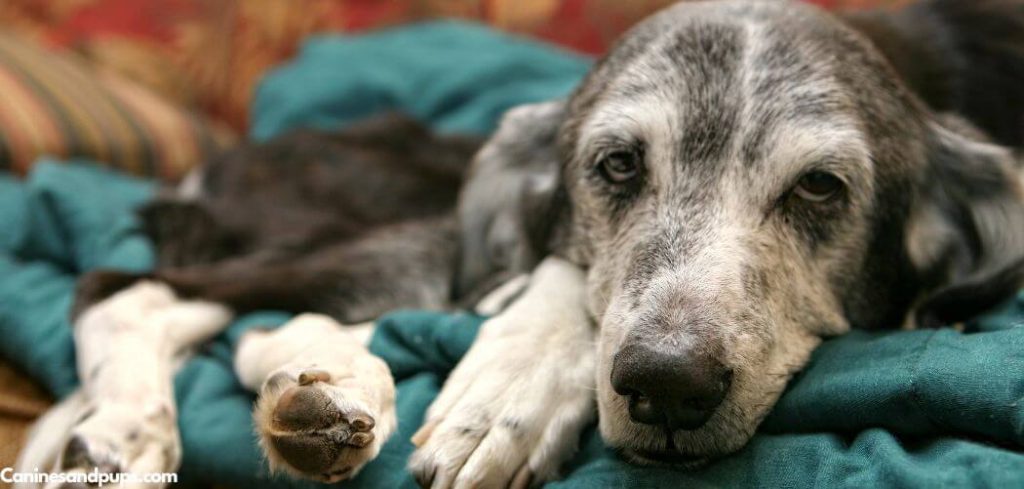
Old Dog Diarrhea in the House: What It Looks Like
When an old dog has diarrhea in the house, it often happens suddenly and with little warning. You may notice:
Loose, watery, or unformed stool on the floor or bedding.
Large puddles or frequent small accidents.
Strong odor stronger than normal stool.
Mucus or streaks of blood in the diarrhea.
Urgency — the dog may squat quickly or be unable to hold it.
Restlessness, pacing, or repeated attempts to go outside.
Even previously well-trained older dogs may have accidents when the digestive tract is irritated.
Old Dog Diarrhea in the House: Common Causes
Chronic Gastrointestinal Disease
Chronic gastrointestinal disorders become more common with age. Conditions such as inflammatory bowel disease, colitis, intestinal fibrosis, food intolerance, and intestinal tumors can all cause persistent diarrhea.
These diseases interfere with nutrient absorption and irritate the intestinal lining, leading to frequent, loose, and unpredictable stools.
Dogs may strain, pass mucus, have blood in the stool, or experience sudden urgency.
Because bowel movements become irregular and difficult to control, accidents inside the home often follow. Without proper treatment, these conditions tend to worsen over time.
Read more: Old Dog Constant Diarrhea (Signs, causes and treatment)
Age-Related Digestive Sensitivity
As dogs grow older, their digestive system becomes less efficient at processing food. The lining of the intestines may thin, enzyme production may decrease, and beneficial gut bacteria can become imbalanced.
These changes make senior dogs more prone to loose stools when they eat something slightly different, richer, or harder to digest.
Even foods that were once well tolerated can suddenly trigger diarrhea in an aging dog. When stools become watery and urgent, your dog may not have enough warning to get outside.
This often leads to accidents, especially at night or when no one is home to open the door quickly.
Over time, repeated digestive sensitivity can turn into chronic diarrhea that regularly disrupts house training.
Canine Cognitive Dysfunction
Canine cognitive dysfunction is similar to dementia in humans and is very common in older dogs. It affects memory, awareness, and the ability to follow learned routines.
Dogs with cognitive decline may forget where the door is, forget how to signal that they need to go outside, or become confused about where it is appropriate to eliminate.
In addition to diarrhea, these dogs often show pacing, restlessness at night, staring into space, increased anxiety, and changes in sleep patterns.
When cognitive dysfunction is present, accidents are not behavioral problems but signs of neurological decline.
Diarrhea combined with mental confusion greatly increases the risk of soiling in the house because the dog cannot properly interpret or respond to bodily signals.
Mobility Problems
Many senior dogs suffer from arthritis, hip dysplasia, spinal disease, or general muscle weakness. These conditions make it painful and slow for them to stand up, walk, climb stairs, or reach the door.
When diarrhea strikes, urgency increases. A dog with sore joints may physically be unable to move fast enough to make it outside in time.
Some dogs also hesitate to move when in pain, even if they desperately need to relieve themselves.
Over time, repeated accidents can occur simply because the body cannot keep up with digestive urgency anymore.
Kidney, Liver, and Pancreatic Disease
Internal organ disease is a major cause of diarrhea in senior dogs. Kidney failure, liver disease, and pancreatic disorders all affect digestion and toxin removal from the body.
When these organs are not functioning properly, waste products build up in the bloodstream.
This irritates the digestive tract and triggers nausea, diarrhea, and loss of appetite. Many affected dogs also drink and urinate more, become weak, and lose weight.
As these illnesses progress, bowel control weakens and diarrhea becomes harder to manage, increasing the likelihood of indoor accidents.
Infections
Although parasites and infections are more common in younger dogs, seniors can still be affected, especially if their immune system is weakened.
Bacterial infections, viral infections, and parasites such as Giardia or whipworms can cause severe diarrhea.
Older dogs often struggle more to fight off these organisms, leading to prolonged symptoms. Diarrhea from infection is usually sudden, foul-smelling, and may contain blood or mucus.
Because infectious diarrhea is often urgent and frequent, accidents inside the home are very common until treatment begins.
Medication Side Effects
Many senior dogs take long-term medications for pain, heart disease, thyroid problems, or arthritis. While these drugs are often necessary, they can irritate the stomach and intestines.
Anti-inflammatory drugs, antibiotics, heart medications, and supplements may all cause diarrhea as a side effect. Some medications also reduce muscle tone in the colon, making stool harder to hold.
If diarrhea starts shortly after a medication change, this may be the underlying cause. Without adjustment, indoor accidents can continue.
Related: Old Dog Chronic Diarrhea (Signs, causes and treatment)
Old Dog Diarrhea in the House: What to Do
If your dog is having diarrhea in the house, start by creating a calm and supportive environment. Increase the number of bathroom breaks and take your dog outside more frequently, including during the night if needed. This reduces pressure on their weakened digestive system and lowers the chance of accidents.
Feed a gentle, easily digestible diet for several days. Plain cooked chicken and rice, prescription gastrointestinal food, or veterinarian-recommended bland diets can help soothe the intestines and firm up stools. Avoid treats, table scraps, and sudden food changes during this time.
Make sure your dog stays well hydrated. Diarrhea causes fluid loss, which is more dangerous in older dogs. Always provide fresh water and monitor drinking habits. If your dog refuses water, consult your vet immediately.
Support mobility if joint pain is present. Use ramps, rugs for traction, and easily accessible doors. Keeping your dog comfortable helps them reach the bathroom in time and reduces stress.
Keep a symptom journal. Note when diarrhea happens, how often accidents occur, changes in appetite, energy levels, medications, and stool appearance. This information is extremely valuable for your veterinarian.
Related: Old Dog Diarrhea for a Week (Why it happens)
When to Call or Visit Your Veterinarian
Contact your veterinarian immediately if diarrhea lasts longer than 24 hours in an older dog, as seniors dehydrate quickly and decline faster than younger pets.
Seek urgent care if diarrhea is accompanied by blood, black stools, vomiting, fever, severe lethargy, collapse, or signs of pain. These may indicate internal bleeding, infection, or organ failure.
If your dog is losing weight, refusing food, drinking excessively, or showing confusion along with diarrhea, a medical evaluation is necessary. These symptoms often point to systemic disease.
Repeated indoor accidents despite frequent outings should also prompt a veterinary visit. This may signal neurological decline, muscle weakness, or advanced organ disease that needs management.
Any sudden change in bowel habits in a senior dog should be taken seriously and evaluated professionally.
Old Dog Diarrhea: Treatment
Veterinary treatment focuses on identifying the cause of diarrhea and stabilizing hydration. After examination, the vet may recommend:
Fecal testing to check for parasites or infection.
Bloodwork to assess organ function (kidney, liver, pancreas).
Fluid therapy if dehydration is present.
Prescription gastrointestinal diet to rest the intestines.
Probiotics or anti-diarrheal medications.
Anti-inflammatory or antibiotic treatment, if indicated.
If cognitive decline or mobility issues contribute to house accidents, management may include more frequent bathroom breaks, dietary adjustments, and supportive medications. Because older dogs are more prone to chronic illness and dehydration, immediate evaluation helps prevent complications and improves comfort.
Key Takeaway
Old dog diarrhea in the house is rarely just a training issue. It is most often a sign of aging-related changes, digestive disease, mobility problems, cognitive decline, or underlying illness that interferes with bowel control.
While increased bathroom breaks and supportive care can help in mild cases, ongoing diarrhea and indoor accidents deserve veterinary attention. Early diagnosis and proper treatment can greatly improve your dog’s comfort, dignity, and quality of life.
If your senior dog is struggling with accidents, remember that they are not misbehaving. They are communicating that something is wrong.
With patience, medical support, and thoughtful care, many older dogs can regain stability and continue enjoying their golden years with you.