
Watching an old dog struggle with diarrhea can be heart-wrenching, and when your senior dog is nearing the end of life, it becomes even more concerning.
Diarrhea in a terminally ill dog is often a sign of digestive distress, underlying disease progression, or complications from medications and treatments.
Knowing the potential causes and how to support your dog can help manage discomfort and maintain dignity in their final days.
Table of Contents
Old Dog Diarrhea When Dying: Why It Happens
Diarrhea in a dying old dog can stem from multiple factors impacting the digestive system. Cancer, organ failure, infections, and side effects from medications or treatments can all contribute.
Changes in diet, appetite, and hydration further affect stool consistency and frequency.
Stress, discomfort, or the progression of chronic illnesses can also trigger loose stools in the final stages of life.
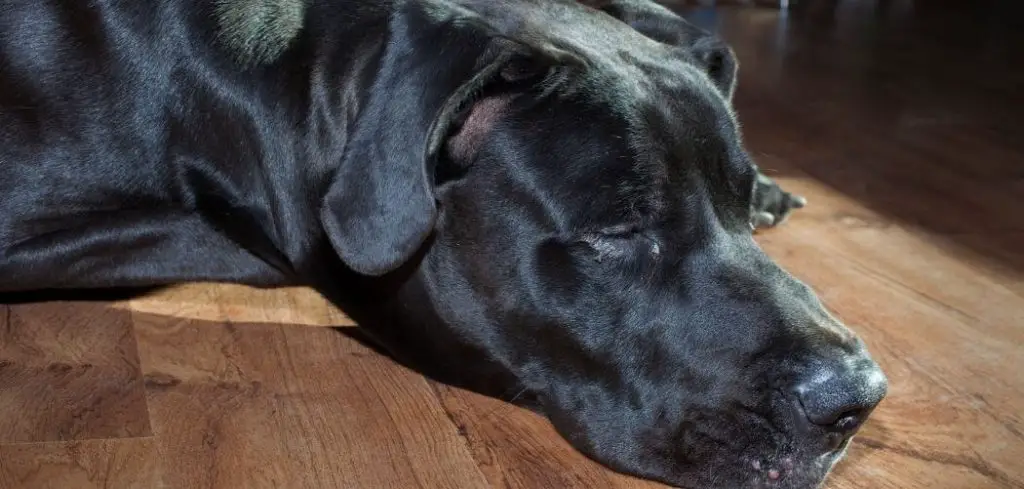
Do Dogs Get Diarrhea When Dying?
Yes, some dogs develop diarrhea during the final stages of a serious illness or near the end of life. As the body’s organs begin to decline, digestion may become less efficient, leading to diarrhea, loss of appetite, vomiting, and weight loss.
Diarrhea can also occur due to cancer, kidney disease, liver disease, infections, medications, or reduced intestinal function in very elderly dogs.
However, diarrhea alone does not mean a dog is dying. Many treatable conditions can also cause diarrhea, so it should always be evaluated in the context of the dog’s overall health and behavior.
Signs Your Dog is Dying of Old Age
Dogs nearing the end of life often show a gradual decline in physical and mental function.
Common signs include extreme lethargy, loss of appetite, weight loss, difficulty standing or walking, increased sleeping, confusion, incontinence, reduced interest in family members, and changes in breathing patterns.
Some dogs may become withdrawn, while others become unusually clingy.
As the body begins to shut down, dogs may stop eating and drinking altogether, have difficulty regulating body temperature, and spend most of their time resting. These signs usually occur together rather than individually.
Related: Old dog behavior before death (What to expect)
Old Dog Diarrhea When Dying: Common Causes
Gastrointestinal Tumors
Cancerous growths in the stomach or intestines can disrupt normal digestion and bowel function.
Tumors may partially block the intestines or alter nutrient absorption, leading to frequent, loose, or bloody stools. You might notice urgency, mucus, or changes in stool color.
These issues are serious because they can accelerate dehydration and weaken an already frail dog, making comfort care more challenging.
Read more: Old Dog Diarrhea When Dying of Cancer (Explained)
Liver or Pancreatic Complications
Terminal illness may involve the liver or pancreas, organs essential for digestion.
Tumor spread or organ failure can reduce bile and enzyme production, leading to chronic diarrhea. Signs include pale, greasy stools, vomiting, loss of appetite, and fatigue.
Compromised liver or pancreatic function in a dying dog increases the risk of malnutrition and toxin buildup, which can worsen overall health and comfort.
Medications and Treatments
Pain medications, antibiotics, and chemotherapy drugs can irritate the gastrointestinal tract.
Chemotherapy, in particular, targets rapidly dividing cells, including those in the intestines, which can cause diarrhea.
You may notice loose stools shortly after a treatment cycle or medication change. Managing side effects is crucial to keeping your dog comfortable in the final stages of life.
Dietary Changes or Poor Appetite
As dogs near the end of life, appetite often decreases, and dietary changes may be necessary.
Switching to soft foods, liquid diets, or specialized nutrition can sometimes trigger diarrhea.
Signs may include intermittent loose stools, flatulence, or unusual stool color. Maintaining a gentle, consistent diet tailored to your dog’s tolerance can reduce digestive upset while ensuring they receive essential nutrients.
Weakened Immunity and Infections
A dying dog often has a weakened immune system, making them more vulnerable to bacterial, viral, or parasitic infections that cause diarrhea.
Symptoms may include watery stools, foul odor, fever, or lethargy. Infections can compound dehydration and discomfort, so rapid intervention and monitoring are essential to protect quality of life.
Stress
Even minor stressors, such as changes in routine, new caregivers, or hospital visits, can trigger diarrhea.
Stress affects gut motility and can be particularly pronounced in terminally ill dogs.
Maintaining a calm, familiar environment helps minimize stress-induced digestive issues, especially during nighttime or periods of discomfort.
Related: Old Dog Diarrhea (Causes and when to worry)
Old Dog Diarrhea When Dying of Cancer
An older dog with terminal cancer may develop diarrhea as the disease progresses.
Cancer can affect the digestive tract directly or indirectly through inflammation, organ failure, poor nutrient absorption, or side effects of medications.
Diarrhea may be accompanied by weight loss, weakness, loss of appetite, vomiting, and a decline in overall quality of life.
In advanced cancer cases, persistent diarrhea often reflects the body’s decreasing ability to maintain normal digestive function and may be one of several signs of disease progression.
Old Dog Diarrhea When Dying: What to Do
Ensure your dog stays hydrated. Offer fresh water frequently, and consider veterinary-approved electrolyte solutions to prevent dehydration, which can worsen diarrhea and weakness.
Feed small, easily digestible meals. Bland foods like boiled chicken and rice can be soothing to a distressed digestive system. Avoid sudden diet changes, and consult your vet before introducing supplements or new foods.
Monitor closely for changes in stool consistency, frequency, or accompanying symptoms like vomiting, lethargy, or pain. Keeping a log can help your veterinarian adjust care plans effectively.
Provide comfort through supportive care. Soft bedding, easy access to outdoor areas, and gentle handling can reduce stress and improve quality of life in the final stages.
Discuss palliative care options with your veterinarian. Medications to manage diarrhea, pain, nausea, or inflammation can improve comfort and help maintain dignity for a dog nearing the end of life.
When to Call or Visit Your Vet
Persistent or severe diarrhea, especially when accompanied by blood, vomiting, fever, or extreme lethargy, warrants immediate veterinary attention.
Watch for dehydration, indicated by dry gums, sunken eyes, or poor skin elasticity. Prompt intervention can prevent unnecessary suffering.
Any sudden changes in stool following medication or treatment should be reported to your vet, as adjustments may be necessary to ensure comfort.
Even if your dog is alert or continues to eat, recurring diarrhea in a terminally ill dog can indicate complications that require veterinary guidance to maintain comfort and dignity.
Read more: Old Dog Diarrhea at Night (How to manage late-night episodes)
Old Dog Diarrhea When Dying: Treatment
Treatment focuses on comfort and quality of life rather than curing the underlying condition.
The veterinarian may recommend medications to control diarrhea, special diets that are easier to digest, fluid therapy to prevent dehydration, and medications for pain or nausea.
Keeping the dog clean, comfortable, and hydrated is also important.
If the dog is in the final stages of a terminal illness, treatment decisions are often based on maintaining comfort and minimizing distress.
The veterinarian can help assess the quality of life and determine the most appropriate supportive care plan.
Key Takeaway
Diarrhea in an old dog nearing the end of life can arise from gastrointestinal tumors, organ involvement, medications, dietary changes, infections, or stress.
While some instances may be managed at home, persistent or severe diarrhea requires veterinary attention to ensure comfort and prevent complications.
Supportive care—including hydration, gentle nutrition, comfort measures, and symptom management—can improve your dog’s quality of life.
Close observation, compassionate care, and collaboration with your veterinarian are essential for providing a safe, comforting environment for your dog during their final days.


