
If your old dog is circling and panting—especially if it happens suddenly or repeatedly—it can be worrying.
These two signs together often indicate that your dog is uncomfortable, anxious, or dealing with an underlying medical issue rather than simply aging.
Table of Contents
Old Dog Circling and Panting: Why It Happens
When an old dog is circling and panting, it is usually a sign of discomfort, anxiety, pain, or neurological imbalance affecting both behavior and breathing. Circling and panting happens because their body or brain is under stress, making it difficult for your dog to relax or settle.
Circling suggests restlessness or disorientation, while panting often signals stress, pain, or internal distress. When these symptoms appear together, they typically point to something your dog is actively struggling with.
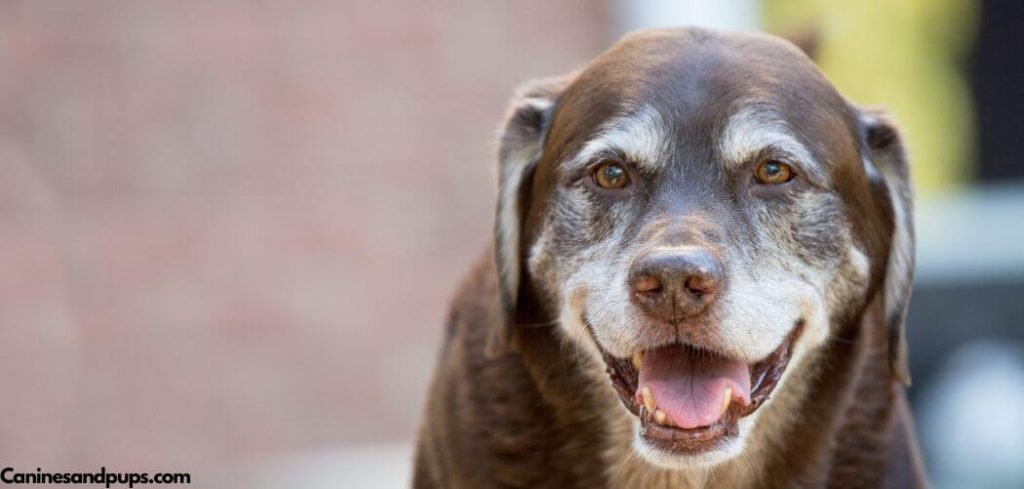
Old Dog Circling and Panting: Signs
If your old dog is circling and panting, you may notice:
Repeated pacing or circling
Heavy or rapid panting (not related to heat or exercise)
Difficulty settling or lying down
Restlessness or agitation
Whining or vocalizing
Seeming confused or disoriented
Changes in posture or movement
Increased nighttime activity
Old Dog Circling and Panting: Common Causes
Pain
Pain is one of the most common and important causes of circling and panting in older dogs.
Conditions like arthritis, joint inflammation, or internal discomfort can make it hard for your dog to find a comfortable position. Circling often reflects an attempt to settle, while panting is a common sign of pain in dogs—even when they are not vocalizing.
Because pain can intensify during rest, especially at night, your dog may repeatedly circle, lie down briefly, then get up again while panting. This cycle is a strong indicator that something is physically uncomfortable.
Cognitive Dysfunction
Cognitive dysfunction can cause both circling and panting due to confusion and disrupted sleep patterns.
As the brain ages, dogs may become disoriented and lose their sense of routine. Circling can become a repetitive behavior linked to confusion, while panting may occur due to anxiety or internal stress.
These symptoms are often more noticeable at night or in quiet environments. Dogs may appear unable to settle, pacing and panting without an obvious external trigger.
Read more: Old Dog Syndrome (Signs causes and treatment)
Anxiety or Panic
Anxiety can manifest physically as both circling and panting.
Older dogs may develop increased sensitivity to their environment, especially if their hearing or vision has declined. Unfamiliar sounds, shadows, or separation from you can trigger stress responses.
Panting is a classic sign of anxiety, and circling may be a self-soothing or restless behavior. Together, they often indicate that your dog is feeling unsettled or overwhelmed.
Related: Old dog circling and pacing (Should you worry?)
Gastrointestinal Discomfort
Digestive issues such as gas, bloating, or nausea can cause both restlessness and panting.
When your dog feels uncomfortable internally, they may circle as they try to find relief or a comfortable position. Panting can occur as a response to discomfort or mild distress.
You may also notice signs like lip licking, swallowing, or a tense abdomen. These symptoms may come and go, often related to meals or digestion.
Neurological or Vestibular Issues
Problems affecting the brain or balance system can lead to circling behavior, sometimes accompanied by panting.
Conditions such as vestibular disease or other neurological issues can cause disorientation, making your dog circle repeatedly. Panting may occur due to stress or the sensation of dizziness.
This cause is more likely if circling is consistent in one direction or accompanied by signs like head tilt, wobbling, or loss of coordination.
Read more: Old Dog Vestibular Disease (Signs, causes and treatment)
Old Dog Circling and Panting: What to Do
If your old dog is circling and panting, start by ensuring they are in a safe, calm environment. Remove hazards and provide a comfortable resting area.
Observe the timing and frequency of the behavior. Note whether it happens at night, after meals, or during certain situations.
Offer gentle reassurance, especially if anxiety may be a factor. Staying nearby can help your dog feel more secure.
Make sure your dog has access to fresh water and is not overheating, as panting can worsen with heat.
Even if symptoms seem mild, arrange a veterinary check to determine the underlying cause.
When to Call or Visit Your Vet
If your old dog is circling and panting, a veterinary visit is strongly recommended.
Seek immediate care if the symptoms appear suddenly or are severe. Signs of pain, inability to settle, or distress should be addressed immediately.
If your dog shows additional symptoms like vomiting, weakness, or loss of coordination, this may indicate a more serious condition. Persistent or worsening symptoms should never be ignored.
Read more: Old Dog Circling to the Right (Why it happens)
Old Dog Circling and Panting: Treatment
Your veterinarian will evaluate your dog’s overall health, including neurological function, pain levels, and behavior.
Diagnostic tests may be recommended to identify underlying conditions.
Treatment may include pain management, medications for anxiety or cognitive support, or therapies for digestive or neurological issues.
The approach will depend on the cause, with the goal of reducing discomfort and improving your dog’s quality of life.
Key Takeaway
Old dog circling and panting is usually a sign that your dog is uncomfortable, stressed, or experiencing an underlying issue.
These symptoms should not be dismissed as normal aging.
With careful observation and timely veterinary care, you can identify the cause and help your dog feel calmer, more comfortable, and at ease.


