
Changes in an older dog’s behavior can feel confusing or even worrying, especially when a once calm, predictable companion starts acting differently.
These shifts are often linked to aging, but they can also be a sign of discomfort or underlying health issues.
Old Dog Behavior Changes
Behavior changes in an old dog are usually caused by a combination of aging brain changes, pain, sensory decline, or underlying medical conditions.
As dogs grow older, their cognitive function can decline, similar to dementia in humans, leading to confusion, anxiety, or altered sleep patterns.
Physical discomfort from arthritis or illness can make them more irritable or withdrawn, while reduced hearing or vision may cause them to startle easily or behave differently in familiar environments.
Hormonal changes, neurological issues, and even medication side effects can also influence how an older dog behaves.
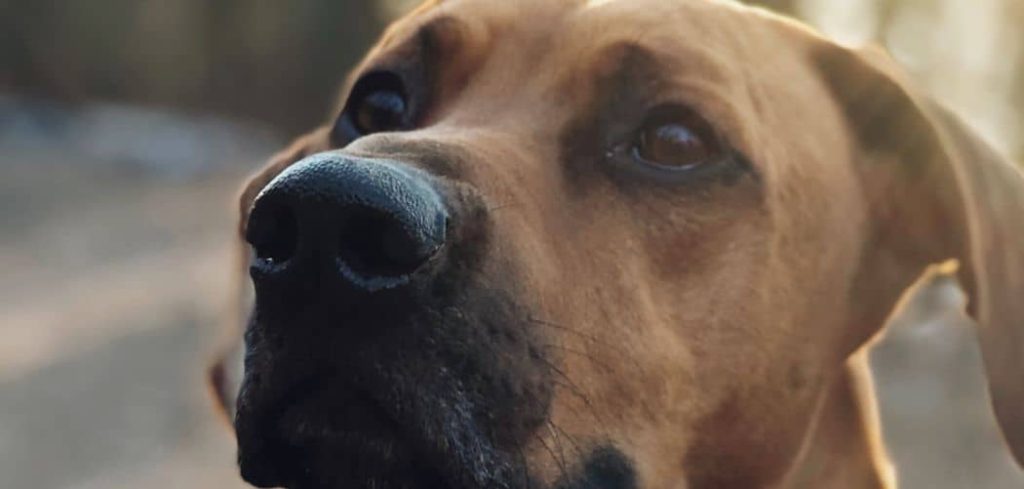
Old Dog Behavior Changes: Symptoms
If your old dog’s behavior is changing, you may notice:
Increased confusion or disorientation
Pacing, especially at night
Sudden anxiety or clinginess
Irritability or unexpected aggression
Changes in sleep patterns (awake at night, sleeping more during the day)
House soiling despite prior training
Reduced interest in play or interaction
Excessive barking or vocalizing
Getting “stuck” in corners or behind furniture
Withdrawal or decreased responsiveness
Old Dog Behavior Changes: Common Causes
Canine Cognitive Dysfunction (Dog Dementia)
One of the most common causes of behavior changes in senior dogs is canine cognitive dysfunction.
This condition affects the brain similarly to Alzheimer’s in humans, causing confusion, memory loss, and changes in personality. Dogs may forget routines, fail to recognize familiar people, or wander aimlessly.
You might notice your dog staring at walls, getting stuck in corners, or appearing lost in familiar spaces. Sleep-wake cycles often become disrupted, leading to nighttime pacing or restlessness.
This condition develops gradually, and early signs can be subtle, but it often progresses over time without management.
Related: Old Dog Syndrome (Signs, causes and treatment)
Chronic Pain
Pain is a major but often hidden reason for changes in old dog behavior. Conditions like arthritis, joint degeneration, or past injuries can cause constant discomfort that affects mood and tolerance.
A dog that was once friendly may become irritable or snap when touched, especially around painful areas.
Pain can also reduce mobility, leading to frustration, withdrawal, or reluctance to engage in activities they once enjoyed.
Because dogs cannot verbally communicate pain, behavioral changes are often the first noticeable sign.
Vision and Hearing Loss
As dogs age, their senses naturally decline, which can significantly affect behavior. A dog with reduced vision may become hesitant, anxious, or easily startled, especially in low light or unfamiliar environments. They may bump into objects or avoid movement altogether.
Hearing loss can cause dogs to ignore commands or seem unresponsive, which may be mistaken for stubbornness. Sudden touches can startle them, sometimes leading to defensive reactions.
These sensory changes can make even familiar surroundings feel unpredictable and stressful.
Anxiety
Older dogs often become more sensitive to changes in their environment. Loud noises, new people, or disruptions in routine may trigger anxiety more easily than before. This can result in clinginess, pacing, whining, or destructive behaviors.
Some dogs develop separation anxiety later in life, especially if they feel more vulnerable due to declining senses or health. This emotional shift is often linked to both brain aging and reduced confidence.
Underlying Medical Conditions
Health issues can directly influence behavior in older dogs. Conditions such as kidney disease, liver disease, diabetes, or infections can cause discomfort, confusion, or lethargy.
Hormonal disorders like hypothyroidism can lead to sluggishness or mood changes, while neurological issues may cause disorientation or unusual behaviors.
Even mild illness can make a dog act “off,” so behavior changes should never be ignored.
Related: Old Dog Neurological Problems (Signs, causes and treatment)
Medication Side Effects
Many older dogs are on medications for chronic conditions, and some of these can affect behavior.
Certain drugs may cause restlessness, sedation, appetite changes, or mood swings.
If behavior changes begin shortly after starting a new medication, it’s important to consider this as a possible cause and consult your veterinarian.
Changes in Routine or Environment
Dogs thrive on routine, and older dogs are especially sensitive to disruptions. Moving homes, changes in family structure, or even altered feeding or walking schedules can lead to confusion or stress.
Because older dogs rely heavily on predictability, even small changes can result in noticeable behavioral shifts.
Old Dog Behavior Changes: What to Do
If your dog is showing changes in old dog behavior, start by observing patterns carefully. Take note of when the behavior occurs, what triggers it, and whether it is getting worse over time. This information is extremely helpful for identifying the cause.
Maintain a consistent daily routine, including feeding times, walks, and sleep schedules. Predictability helps reduce anxiety and confusion in older dogs, especially those experiencing cognitive decline.
Make your home environment safer and easier to navigate. Keep furniture in the same place, add night lights for visibility, and provide easy access to food, water, and resting areas.
Offer gentle mental stimulation through simple games, short walks, or interaction. Keeping your dog engaged can help slow cognitive decline and improve mood.
Most importantly, be patient and supportive. Behavioral changes are often not intentional but a result of aging or discomfort. Responding calmly and compassionately can make a big difference in your dog’s quality of life.
When to Call or Visit Your Vet
If your dog’s behavior changes suddenly or drastically, it’s important to seek veterinary care right away. Sudden changes can indicate pain, neurological issues, or serious illness.
Persistent confusion, disorientation, or getting lost in familiar spaces should be evaluated, as these may be signs of cognitive dysfunction or brain-related conditions.
If your dog becomes aggressive, especially if this is new behavior, a vet visit is necessary to rule out pain or underlying medical causes.
Changes accompanied by physical symptoms such as weight loss, vomiting, increased thirst, or lethargy require prompt medical attention.
If your dog is pacing excessively, unable to settle, or vocalizing frequently, this may indicate discomfort, anxiety, or neurological issues that need professional assessment.
Read more: Old Dog Nesting Behavior (What it mean)
Old Dog Behavior Changes: Treatment
Veterinary treatment for old dog behavior depends on identifying the root cause. If cognitive dysfunction is diagnosed, your vet may recommend medications, supplements, and dietary changes designed to support brain health and slow progression.
For pain-related behavior changes, treatment may include anti-inflammatory medications, joint supplements, or therapies to improve comfort and mobility.
If an underlying medical condition is present, addressing that illness often improves behavior significantly. This may involve medication, dietary adjustments, or ongoing monitoring.
In cases of anxiety, vets may suggest behavioral strategies, calming supplements, or medications to help reduce stress and improve quality of life.
Regular check-ups are essential for senior dogs, as early detection of issues can prevent more serious complications and help maintain stable behavior.
Read more: Old Dog Behavior Before Death (What to expect)
Key Takeaway
Old dog behavior changes are common, but they should never be dismissed as “just aging” without closer attention.
These changes often reflect underlying physical or cognitive shifts that your dog cannot communicate directly.
By observing carefully, maintaining a stable routine, and seeking veterinary guidance when needed, you can better understand what your dog is experiencing.
With patience, support, and proper care, many behavior changes can be managed, helping your dog stay comfortable, secure, and happy throughout their senior years.