
Hearing your dog yelp after a vaccine can be frightening, especially if it happens suddenly when they move or are touched.
Some soreness is normal but repeated or intense yelping may mean your dog is experiencing more than just mild discomfort.
Dog Yelping After Vaccine
A dog yelping after a vaccine usually happens because the injection triggers localized pain, inflammation, or nerve irritation at the injection site.
The needle and vaccine fluid stimulate the muscles and tissues beneath the skin, which can lead to soreness that feels sharp when the dog moves, stretches, or is touched.
In some dogs, the immune response becomes stronger than expected, creating swelling and pressure that increases pain.
Less commonly, infection or allergic reactions can intensify discomfort and make a dog cry out.
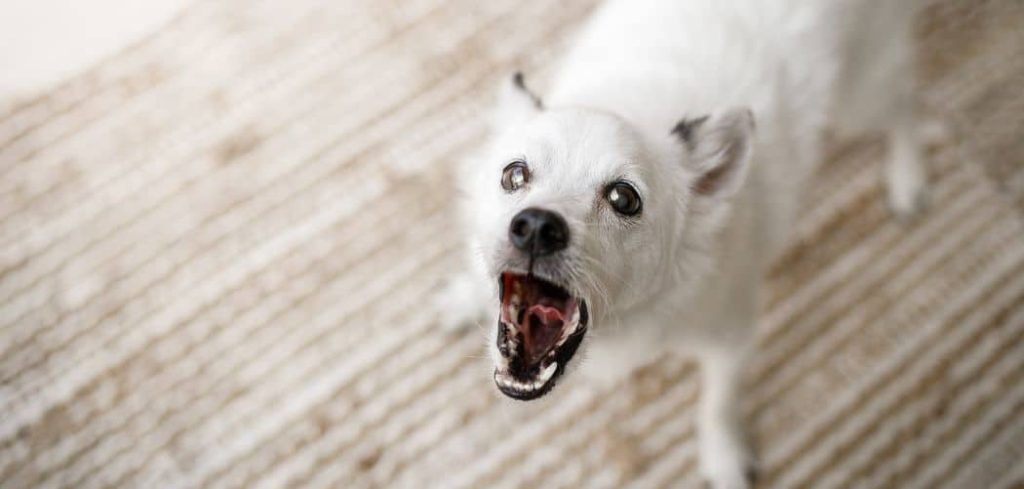
Dog Yelping After Vaccine: Common Causes
Injection Site Pain and Muscle Soreness
The most common reason a dog yelps after a vaccine is simple muscle soreness where the needle entered.
Vaccines are usually given deep into muscle or just under the skin, and this can cause tiny muscle fibers to become inflamed. As the body reacts to the vaccine, the area becomes tender and tight.
When your dog moves, jumps, or is picked up, the sore muscle stretches, which can trigger a sharp pain and cause yelping. This discomfort usually peaks within 24 to 48 hours and gradually improves as the inflammation settles.
Localized Swelling and Pressure
Some dogs develop swelling beneath the skin after vaccination, which creates pressure in the surrounding tissues.
This pressure can irritate nearby nerves and make the area extremely sensitive. Even gentle touch can feel painful, leading to sudden cries or flinching.
You may notice a small lump or warm area where the vaccine was given. While this often resolves on its own, swelling that becomes firm or painful can make your dog reluctant to move normally.
Read more: Dog Has Knot After Vaccines (What that lump means)
Nerve Irritation
If the vaccine is injected close to a nerve or causes nearby tissue swelling, it can irritate the nerve fibers. This creates sharp, electric-like pain that comes and goes, which is why a dog may yelp unpredictably after vaccination.
Dogs experiencing nerve irritation may hold their neck stiff, avoid turning their head, or cry when trying to lie down or stand up.
This usually improves as swelling decreases, but severe or persistent pain needs veterinary evaluation.
Immune System Overreaction
In some dogs, the immune system reacts very strongly to the vaccine, creating more inflammation than usual.
This leads to increased heat, swelling, and pain at the injection site, making normal movement uncomfortable.
These dogs may also appear tired, reluctant to be touched, or less active than usual. While this is still part of an immune response, excessive pain is a sign the reaction is stronger than expected.
Injection Site Infection
Rarely, bacteria can enter the skin during vaccination and cause an infection. This results in a painful, hot, and often enlarging lump that makes movement very uncomfortable.
If your dog’s yelping is accompanied by fever, lethargy, or discharge from the injection site, infection should be suspected and treated promptly.
Allergic Reaction
Some dogs are sensitive to vaccine ingredients and develop allergic reactions that cause tissue swelling and pain.
This swelling can make the injection area extremely tender and cause sudden yelping when touched.
Allergic reactions may also include hives, facial swelling, vomiting, or difficulty breathing, which makes this situation more urgent.
Read more: Dog constantly crying for no reason (What it means)
What to Do If Your Dog Is Yelping After A Vaccine
If your dog is yelping after a vaccine, give them a quiet, comfortable place to rest so the sore muscles can relax. Limiting jumping, running, and rough play for a day or two helps prevent additional strain on the injection site.
Gently observe the area where the vaccine was given for swelling, redness, or heat, but avoid pressing or massaging it. A cool compress can help reduce inflammation during the first 24 hours, but only apply it briefly and gently.
Offer plenty of water and encourage light movement, such as slow walking, to prevent stiffness without overworking sore muscles. Keep a close eye on any changes in your dog’s behavior or pain level.
When to Call or Visit Your Vet
Call your vet if the yelping lasts longer than 48 hours or seems to be getting worse instead of better.
Seek veterinary care if the injection site becomes very swollen, hot, or starts oozing fluid.
Contact your vet immediately if your dog shows signs of an allergic reaction, such as facial swelling, vomiting, hives, or difficulty breathing.
If your dog becomes unable to move normally, cries out in severe pain, or appears unusually lethargic, they should be examined as soon as possible.
Read more: Dog side effects after vaccines (Possible reactions explained)
Key Takeaway
A dog yelping after a vaccine is usually a sign of temporary soreness, but intense or ongoing pain should never be ignored.
Most dogs feel better within a couple of days, but worsening discomfort or additional symptoms signal the need for veterinary care.
Watching closely and responding early helps keep your dog safe while their immune system builds protection.