
Seeing your dog suddenly refuse food after a vaccination can be scary, especially when they normally have a healthy appetite.
Appetite changes after a vaccine can be mild and temporary, but in some cases they signal that your dog’s body is struggling with a stronger immune reaction.
Dog Won’t Eat After Vaccine
A dog won’t eat after a vaccine because their immune system has been activated, which can cause inflammation, nausea, soreness, and temporary fatigue that reduces appetite.
Vaccines work by stimulating the body to recognize a virus or bacteria, and that immune response often makes dogs feel unwell for a short period.
Some dogs experience stomach upset, mild fever, or muscle pain at the injection site that makes them uncomfortable when moving, chewing, or swallowing.
In sensitive dogs, this immune activation can lead to nausea or malaise that suppresses hunger for a day or two.
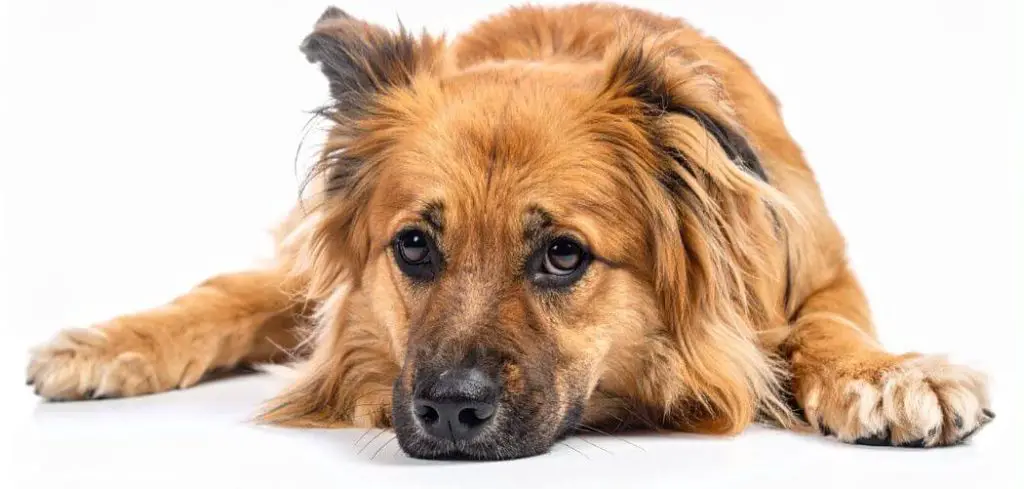
Dog Won’t Eat After Vaccine: Common Causes
Immune System Inflammatory Response
When a vaccine is given, your dog’s immune system reacts as if a real infection has entered the body.
This response causes the release of inflammatory chemicals that can make your dog feel achy, tired, and nauseated.
Just like people feel unwell after flu shots, dogs may feel “off” and lose interest in food for a short time.
If your dog won’t eat after a vaccine but is still drinking water and resting normally, this immune response is often the reason.
Read more: Dog Vomiting After Vaccine (Is it normal?)
Injection Site Pain and Muscle Soreness
Vaccines are typically injected into muscle or under the skin, which can lead to localized pain and stiffness.
Dogs that feel sore may avoid moving their neck or body, which makes approaching the food bowl uncomfortable.
If your dog normally bends down eagerly to eat but now hesitates, pain at the injection site may be the culprit.
This discomfort can suppress appetite until the soreness fades over the next 24 to 48 hours.
Mild Fever After Vaccination
Vaccines can trigger a low-grade fever as part of the immune response. A fever changes how your dog feels physically and can make food seem unappealing.
Dogs with mild fevers often seem tired, warm to the touch, and less interested in eating.
If your dog won’t eat after a vaccine and seems warmer or sluggish, fever is a common reason.
Nausea and Stomach Upset
Some dogs experience gastrointestinal upset after vaccination. This happens when immune chemicals affect the stomach lining and digestive nerves.
Nausea may cause drooling, lip licking, or turning away from food even when your dog normally eats eagerly.
This type of appetite loss is especially common when multiple vaccines are given at once.
Allergic or Hypersensitivity Reaction
In some dogs, the immune system overreacts to vaccine ingredients. This can cause swelling, itchiness, digestive upset, and loss of appetite.
A dog that won’t eat after a vaccine and also shows facial swelling, hives, or repeated vomiting may be having a hypersensitivity reaction. This situation needs prompt veterinary evaluation.
Stress and Anxiety From the Vet Visit
The vaccination process itself can be stressful. Car rides, handling, strange smells, and needles can leave dogs feeling anxious.
Stress hormones suppress appetite, even if the dog isn’t physically sick. If your dog seems alert but won’t eat after a vaccine, stress may be contributing to the behavior.
Related: Dog suddenly not eating and vomiting (Here’s why)
What to Do If Your Dog Won’t Eat After A Vaccine
If your dog refuses food after a vaccine, allow them to rest in a quiet, comfortable space.
Limit physical activity for the rest of the day to prevent soreness from getting worse.
Offer small portions of bland, highly palatable food such as boiled chicken or plain rice to encourage gentle eating.
Make sure your dog has easy access to fresh water, since hydration supports recovery.
Monitor your dog closely over the next 24 hours and note any changes in energy, vomiting, or swelling.
When to Call or Visit Your Vet
If your dog won’t eat after a vaccine for more than 48 hours, it’s important to contact your veterinarian.
Loss of appetite lasting longer than two days may indicate a stronger reaction that needs medical support.
Call your vet immediately if your dog also has repeated vomiting, facial swelling, difficulty breathing, or extreme weakness.
These signs suggest a significant vaccine reaction that requires urgent care.
If your dog becomes unusually lethargic or collapses, this is also an emergency.
Read more: Dog side effects after vaccines (Possible reactions explained)
Key Takeaway
A dog won’t eat after a vaccine because their immune system is responding, which can cause soreness, nausea, and fatigue.
Most cases are mild and improve within a day or two with rest and supportive care. However, prolonged appetite loss or additional symptoms should never be ignored.
When in doubt, your veterinarian can help ensure your dog stays safe and recovers comfortably.