
A dog vomiting white foam after a vaccination can be worrying for any dog owner, especially when it occurs soon after the injection.
While this can be a mild and temporary vaccine reaction, it may also point to stomach irritation or a more serious response that requires veterinary attention.
This guide explains the most common reasons this happens, what you can do, and when to contact your veterinarian.
Dog Vomiting White Foam After Vaccine
Dog vomiting white foam after a vaccine most commonly happens due to temporary stomach irritation or nausea caused by the immune system response triggered by the vaccination. Vaccines stimulate the body to build protection, and this process can upset the stomach, leading to foamy vomit made up of saliva and gastric fluids.
In some dogs, stress or anxiety from the vet visit, mild dehydration, or vomiting on an empty stomach can contribute to this reaction.
Less commonly, vomiting white foam may be part of a vaccine reaction or allergic response, especially if it occurs repeatedly or is accompanied by symptoms such as facial swelling, hives, diarrhea, weakness, or difficulty breathing.
While many cases resolve on their own within a short time, ongoing vomiting or worsening symptoms should be treated as a concern and evaluated by a veterinarian immediately.
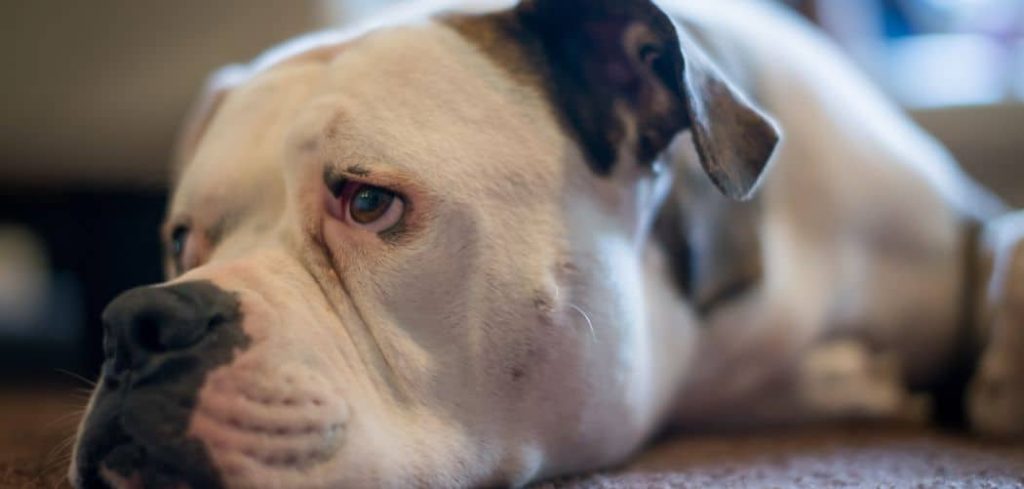
Dog Vomit White Foam After Vaccine: Common Causes
Vaccine Induced Gastric Inflammation
After vaccination, your dog’s immune system becomes highly active as it begins building protection against disease.
This immune activation releases inflammatory mediators throughout the body, and the stomach is one of the organs most affected by this response.
The stomach lining becomes irritated and swollen, which increases acid production while also triggering the release of thick protective mucus.
When there is no food present to buffer the acid, this mixture of mucus and stomach acid becomes unstable and easily regurgitated.
The result is white, frothy vomit that looks alarming but is often a sign of temporary gastric inflammation rather than poisoning or serious disease.
Related: Dog suddenly not eating and vomiting (Here’s why)
Empty Stomach and Acid Reflux
Many dogs lose their appetite after receiving vaccines because their immune system is diverting energy toward producing antibodies.
When a dog skips meals, the stomach continues producing acid despite having nothing to digest. This acid begins to irritate the stomach lining and can flow backward into the esophagus, creating nausea and discomfort.
The stomach attempts to protect itself by producing extra mucus, and when that mucus mixes with acid and swallowed air, it forms white foam.
This is why dogs often vomit white foam in the morning or several hours after a vaccine when they have not eaten.
Stress-Related Digestive Disruption
The physical and emotional stress of visiting the veterinarian, being restrained, and receiving injections activates stress hormones such as cortisol and adrenaline.
These hormones slow digestion, reduce blood flow to the gastrointestinal tract, and stimulate excess acid production.
At the same time, stomach motility becomes irregular, causing fluid and gas to accumulate. When the stomach contracts, this frothy mixture is expelled as white foam.
This stress-driven reaction can occur even in dogs that are otherwise healthy and may appear suddenly after returning home from the clinic.
Mild Vaccine-Related Dehydration
Vaccines can cause low-grade fever, fatigue, and reduced thirst for up to 24 to 48 hours. When a dog becomes even slightly dehydrated, the stomach’s natural protective mucus thickens and becomes more concentrated.
This makes the stomach lining more vulnerable to irritation from acid. As acid continues to build up, nausea worsens and vomiting becomes more likely.
The thick mucus, combined with stomach fluid and air, produces the classic white foamy vomit often seen after vaccines.
Excessive Swallowing of Air From Nausea
Dogs that feel nauseated after vaccination often lick their lips, gulp, pant, or repeatedly swallow. These behaviors cause large amounts of air to enter the stomach.
When this air mixes with gastric fluids and mucus, it creates a bubbly foam that is easily expelled. The dog may appear restless, uncomfortable, or repeatedly retch before bringing up small amounts of white foam.
This does not mean the stomach is empty of fluid; it means the stomach contents have become aerated and unstable.
Early Allergic or Immune-Mediated Reaction
In some dogs, vomiting white foam is one of the first signs of a hypersensitivity reaction to a vaccine ingredient.
The immune system releases histamine and inflammatory chemicals that affect the stomach lining and blood vessels, causing rapid nausea and fluid shifts.
This reaction may start mildly with foamy vomit but can progress to facial swelling, hives, weakness, or breathing difficulty.
This cause is more dangerous than simple stomach upset and requires immediate veterinary attention if additional symptoms appear.
Related: Dog vomiting yellow foam after vaccine (Here’s why)
What to Do If Your Dog Vomits White Foam After a Vaccine
The first and most important step is to allow your dog’s stomach to settle. When white foamy vomit appears after vaccination, it usually means the stomach lining is irritated and producing too much acid and mucus.
Feeding immediately can make the irritation worse, so it is best to withhold food for about six to eight hours while continuing to offer small amounts of water.
If your dog drinks too much at once, that can also trigger vomiting, so offer a few sips every 15 to 20 minutes instead of a full bowl.
Once vomiting has stopped, reintroduce food slowly using a bland, low-fat diet such as boiled chicken and plain white rice. This type of food is easy to digest and helps absorb excess stomach acid.
Avoid kibble, treats, or rich foods for at least 24 hours because fat and protein take longer to digest and can further inflame the stomach. If your dog refuses food but is no longer vomiting, that is still acceptable for a short time, as appetite often returns once inflammation settles.
Encourage rest and minimize stimulation. After a vaccine, the immune system is working hard, and physical activity increases stomach acid production.
Keep your dog in a quiet, warm area and avoid walks, play, or excitement for the rest of the day. Stress can worsen nausea, so creating a calm environment allows the stomach and immune system to recover more quickly.
Make sure your dog stays hydrated. Mild dehydration makes stomach secretions thicker and more irritating.
If your dog will not drink water, offering ice cubes or adding a splash of low-sodium broth to water can encourage intake without overwhelming the stomach.
Do not give human medications or anti-nausea drugs unless prescribed by your veterinarian, as many are dangerous for dogs.
Monitor closely over the next 24 hours. Occasional white foam vomit may happen once or twice and then stop as the vaccine reaction fades.
You should see gradual improvement in energy, appetite, and comfort. If vomiting continues or new symptoms appear, veterinary care is needed.
When to Call or Visit Your Vet
You should contact your veterinarian if vomiting continues for more than 24 hours, even if it is only white foam. Ongoing vomiting means the stomach lining is not recovering normally and could lead to dehydration, electrolyte imbalances, or worsening inflammation.
Seek immediate veterinary care if your dog vomits white foam along with facial swelling, hives, redness of the ears or skin, weakness, collapse, pale gums, or difficulty breathing.
These are signs of an allergic reaction to the vaccine and can become life-threatening very quickly without treatment.
You should also go to the vet if the vomit changes from white foam to yellow bile, blood, or dark material, as this suggests more severe stomach irritation or internal bleeding.
Persistent retching without producing vomit can also indicate dangerous gas buildup or a more serious gastrointestinal problem.
Puppies, senior dogs, and dogs with kidney disease, liver disease, diabetes, or immune disorders should be evaluated sooner than healthy adult dogs.
These dogs have less ability to compensate for dehydration and inflammation, and even mild vaccine reactions can become serious.
If your dog refuses all food and water for more than 24 hours after vomiting, that is another strong reason to seek veterinary care. Loss of appetite combined with nausea means the body is struggling to recover and may require fluids or medication to stabilize the stomach.
Read more: Dog side effects after vaccines (Possible reactions explained)
Key Takeaway
Dog vomiting white foam after a vaccine most commonly happens due to temporary stomach irritation or nausea caused by the immune system response triggered by the vaccination.
Vaccines stimulate the body to build protection, and this process can upset the stomach, leading to foamy vomit made up of saliva and gastric fluids. In some dogs, stress or anxiety from the vet visit, mild dehydration, or vomiting on an empty stomach can contribute to this reaction.
Less commonly, vomiting white foam may be part of a vaccine reaction or allergic response, especially if it occurs repeatedly or is accompanied by symptoms such as facial swelling, hives, diarrhea, weakness, or difficulty breathing.
While many cases resolve on their own within a short time, ongoing vomiting or worsening symptoms should be treated as a concern and evaluated by a veterinarian immediately.