
A dog that is vomiting, refusing to eat or drink, and showing signs of lethargy is in clear distress—and these symptoms combined can signal a medical emergency.
While occasional vomiting or a skipped meal may not be cause for alarm, when your dog won’t eat, avoids water, and seems too tired or weak to move normally, it’s time to act.
Table of Contents
Dog Vomiting, Not Eating or Drinking, and Lethargic: Why It Happens
A dog that is vomiting, refusing to eat or drink, and showing signs of lethargy shows a cluster of symptoms that can stem from serious conditions like pancreatitis, parvovirus, toxin ingestion, severe dehydration, gastrointestinal blockages, or systemic infection.
Vomiting causes fluid loss and nausea; refusing food and water compounds dehydration; and lethargy often indicates your dog’s body is overwhelmed.
These signs can escalate quickly into dehydration, organ failure, or shock, particularly in puppies, senior dogs, or those with chronic health issues.
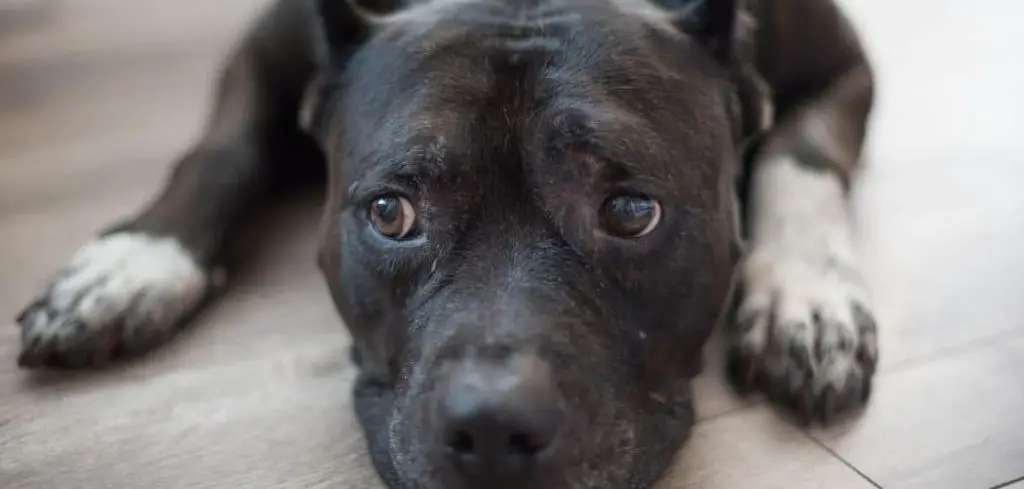
Dog Vomiting, Not Eating or Drinking, and Lethargic: Common Causes
1. Parvovirus (Parvo)
Parvo is a highly contagious and often deadly virus that affects unvaccinated dogs, especially puppies.
It causes intense vomiting, bloody diarrhea, complete disinterest in food and water, and profound lethargy.
Parvo spreads quickly and can lead to death within days if untreated.
If your dog—especially a young or recently adopted one—shows these symptoms, immediate hospitalization is critical.
Related: Dog vomiting and not eating (Causes and when to worry)
2. Pancreatitis
Pancreatitis causes severe inflammation of the pancreas, typically after eating fatty foods or due to underlying illness.
Affected dogs show vomiting, no interest in food or water, abdominal pain, and exhaustion.
This condition requires veterinary care. IV fluids, pain medication, anti-nausea drugs, and dietary restrictions are the foundation of treatment.
3. Dehydration
Vomiting and a refusal to eat or drink can quickly cause dehydration, especially in small or young dogs.
Dehydration worsens lethargy, reduces circulation, and impairs organ function.
Signs include dry gums, skin tenting (slow return when pinched), sunken eyes, and weakness.
IV fluids are often needed—home care isn’t enough at this stage.
Related: Dog Vomiting and Shaking and Not Eating (What it means)
4. Toxin Exposure
Ingesting a toxic substance—like xylitol, antifreeze, human medication, grapes, or pesticides—can rapidly trigger vomiting, appetite loss, refusal of water, and collapse or extreme lethargy.
Many toxins act fast. Don’t wait—call your vet or an animal poison hotline if you suspect exposure.
Early intervention can mean the difference between life and death.
5. Intestinal Blockage
If your dog swallowed a toy, bone, sock, or other foreign object, it could cause a blockage.
Symptoms include repeated vomiting, refusal to eat or drink, straining, and lethargy or depression.
Blockages are surgical emergencies. X-rays or ultrasound may be needed to confirm the issue before removing the object.
6. Systemic Infection or Organ Failure
Diseases like leptospirosis, liver failure, or kidney disease can all present with vomiting, anorexia, thirst avoidance, and lethargy.
These are signs the body is overwhelmed and needs immediate medical support.
Blood work and urinalysis can help confirm organ dysfunction. Many of these conditions are manageable if caught early.
Dog Shaking, Vomiting, Not Eating, and Lethargic
A dog that is shaking, vomiting, not eating, and lethargic is showing signs of serious illness rather than a mild stomach upset.
This combination often points to severe infection, poisoning, pancreatitis, organ disease, or gastrointestinal blockage.
Shaking usually indicates pain, fever, or systemic stress, while vomiting and loss of appetite suggest the digestive system is significantly affected.
Because multiple body systems may be involved, this should be treated as urgent. Dehydration and worsening weakness can develop quickly if not addressed.
Old Dog Vomiting, Not Eating or Drinking and Lethargic
In an old dog, vomiting combined with refusal to eat or drink and lethargy is especially concerning.
Senior dogs are more vulnerable to kidney failure, liver disease, cancer, severe infections, and organ decline. They also dehydrate faster and recover more slowly than younger dogs.
Even if symptoms appear mild at first, this pattern often indicates a serious underlying condition and requires immediate veterinary evaluation to stabilize the dog and identify the cause.
Is a dog vomiting, not eating or drinking, and lethargic a sign that a dog is about to pass away?
Signs that a dog may be nearing the end of life include extreme weakness, refusal to eat or drink, prolonged lethargy, difficulty standing, irregular breathing, incontinence, and loss of interest in surroundings. Some dogs may also become restless or unusually withdrawn.
Yes, vomiting, not eating or drinking, and lethargy can be part of end-of-life decline, but they are not exclusive to it.
These symptoms can also occur in treatable conditions such as infections, poisoning, or organ disease.
Only a veterinary examination can determine whether the condition is reversible or part of terminal decline.
Related: Old dog behavior before death (What to expect)
What to Do If Your Dog Is Vomiting, Not Eating or Drinking, and Lethargic
This combination of symptoms should always be taken seriously. At-home care may be appropriate only if symptoms are very mild, short-lived, and your dog is otherwise alert.
If your dog seems severely ill:
Do not force food or water, which may worsen vomiting.
Check hydration—gums should be moist, and skin should bounce back quickly when pinched.
Offer ice chips or very small sips of water only if vomiting has stopped.
Keep your dog warm, calm, and quiet while arranging vet care.
Note the timeline, what your dog last ate, and any exposure to toxins—this helps your vet diagnose faster.
If your dog is still vomiting or lethargic after a few hours without eating or drinking, it’s time to seek immediate medical help.
When to Call or Visit Your Vet
Call your vet or visit an emergency clinic right away if:
Vomiting continues beyond 12 hours
Your dog refuses both food and water for more than 24 hours
Lethargy worsens or your dog can’t stand
There’s blood in vomit or diarrhea
Your dog is a puppy, senior, or has a chronic condition
You suspect poisoning, blockage, or organ failure
Your vet may run diagnostics like blood work, x-rays, and ultrasound.
Treatment could include IV fluids, medications, and possibly hospitalization.
Related: Dog Vomiting Not Eating and Lethargic (What it means)
Treatment
Treatment depends on the underlying cause and often requires urgent veterinary care.
The vet may perform blood tests, imaging, or other diagnostics to identify issues such as infection, organ failure, toxins, or gastrointestinal blockage. Treatment may include IV fluids for dehydration, anti-nausea medication, pain relief, antibiotics, or supportive care.
Early intervention greatly improves the chances of recovery, especially if the cause is treatable.
Key Takeaway
When your dog is vomiting, not eating or drinking, and seems extremely lethargic, it’s your cue to stop guessing and start acting.
These symptoms together signal something far beyond a simple upset stomach. Dehydration, toxin exposure, or internal disease may be unfolding—and time is critical.
Trust your gut, get your dog checked by a professional, and know that quick intervention can lead to a full recovery. Your dog is depending on you to notice the signs—and now you know what to look for.


