
Watching your dog vomit after starting antibiotics can be unsettling, especially when the medication was meant to help them heal.
While vomiting is a fairly common side effect of antibiotics in dogs, it should never be ignored because it can signal stomach irritation, medication intolerance, or a more serious reaction.
This guide explains the most common causes of dog vomiting due to antibiotics, what you can do at home, and when to seek veterinary help.
Dog Vomiting Due to Antibiotics: Why It Happens
Dog vomiting due to antibiotics usually happens because these medications can irritate the stomach lining or disrupt the normal balance of gut bacteria. Antibiotics are designed to kill harmful bacteria, but they can also affect beneficial bacteria in the digestive tract, leading to nausea and vomiting.
Some antibiotics are harsher on the stomach than others, especially when given on an empty stomach.
In certain cases, vomiting may also indicate that the dog is sensitive or intolerant to the medication being prescribed.
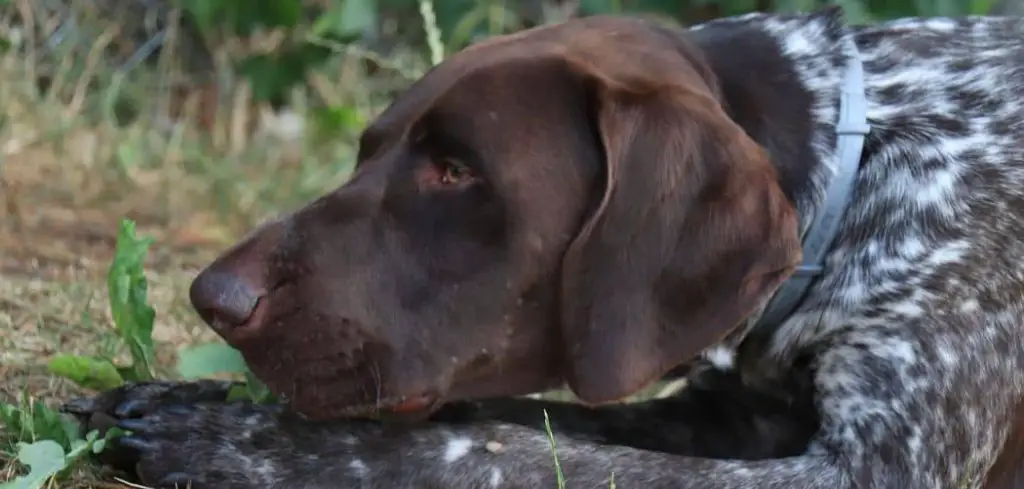
Dog Vomiting Due to Antibiotics: Common Causes
Stomach Irritation From the Medication
One of the most common reasons for vomiting after antibiotics is direct irritation of the stomach lining. Many antibiotics are acidic or harsh and can cause inflammation when they come into contact with the stomach, particularly if given without food.
Dogs experiencing stomach irritation may vomit shortly after receiving their dose. The vomit may contain partially digested food, foam, or bile.
While mild stomach upset is expected in some dogs, repeated vomiting increases the risk of dehydration and can make it difficult for the dog to continue necessary treatment.
Related: Dog Vomiting Due to Indigestion (Why it happens)
Disruption of Gut Bacteria Balance
Antibiotics do not distinguish between harmful bacteria and beneficial bacteria. When healthy gut flora are disrupted, digestion can become unbalanced, leading to nausea, vomiting, gas, and diarrhea.
Dogs affected by this imbalance may vomit intermittently rather than immediately after dosing. Appetite changes, loose stools, and abdominal discomfort may also appear.
This disruption is significant because the gut plays a major role in immune health and digestion, and prolonged imbalance can delay recovery from the original illness.
Medication Sensitivity or Intolerance
Some dogs are more sensitive to certain antibiotics than others. A dog may tolerate one type of antibiotic well but react poorly to another, even at standard doses.
Vomiting in these cases is a sign that the dog’s body is struggling to process the medication.
Signs of intolerance often include repeated vomiting, drooling, nausea, and refusal to eat after doses.
This is serious in the context of dog vomiting due to antibiotics because continued use may worsen symptoms rather than improve them. Identifying intolerance early helps prevent unnecessary discomfort and allows for safer alternative medications.
Antibiotics Given on an Empty Stomach
Many antibiotics are better tolerated when given with food, yet some dogs receive them on an empty stomach due to appetite loss or dosing schedules.
Without food to buffer the stomach, the medication can cause acid irritation and nausea.
Dogs that vomit because antibiotics are given without food may appear fine at other times but consistently vomit shortly after dosing. Over time, this can lead to aversion to medication, stress around dosing, and difficulty completing the full treatment course.
Underlying Gastrointestinal Sensitivity or Disease
Dogs with preexisting digestive issues, such as gastritis, inflammatory bowel disease, or food sensitivities, are more prone to vomiting when placed on antibiotics.
Their stomach and intestines are already sensitive, making them less able to tolerate medication-related irritation.
In these dogs, vomiting may be accompanied by diarrhea, abdominal pain, or lethargy. This is particularly concerning because antibiotics can exacerbate existing gastrointestinal inflammation, increasing the risk of flare-ups or prolonged digestive upset.
Allergic or Adverse Drug Reactions
Although less common, vomiting can be an early sign of an adverse or allergic reaction to antibiotics.
In these cases, vomiting may occur alongside facial swelling, itching, hives, or difficulty breathing.
This cause is serious and potentially life-threatening. Vomiting related to an adverse reaction indicates that the immune system is responding negatively to the medication. Immediate veterinary attention is essential to prevent progression to more severe symptoms.
Related: Dog Vomiting Due to Empty Stomach (Here’s why)
What to Do If Your Dog Is Vomiting Due to Antibiotics
If your dog is vomiting due to antibiotics, the first step is to avoid stopping the medication without veterinary guidance. Abruptly discontinuing antibiotics can lead to incomplete treatment and antibiotic resistance.
Offering the medication with a small meal can often reduce stomach irritation. Even a light snack can help buffer the stomach and improve tolerance. If your dog has a poor appetite, your veterinarian may suggest specific foods or timing adjustments.
Supporting gut health is also important. Your veterinarian may recommend probiotics or digestive support products to help restore healthy gut bacteria and reduce nausea. These should only be given with professional guidance to avoid interference with the medication.
Monitor your dog closely after each dose. Keeping track of when vomiting occurs, how often it happens, and any additional symptoms can help your veterinarian determine whether a medication change is needed.
Ensuring adequate hydration is essential, especially if vomiting occurs more than once. Small, frequent sips of water can help prevent dehydration without further irritating the stomach.
When to Call or Visit Your Vet
You should contact your veterinarian if vomiting occurs more than once or continues beyond the first day of antibiotic use. Persistent vomiting suggests that the medication may not be well tolerated.
Immediate veterinary care is needed if vomiting is severe, projectile, or accompanied by lethargy, refusal to eat, or signs of abdominal pain. These symptoms may indicate significant gastrointestinal irritation or intolerance.
Seek urgent help if vomiting occurs along with facial swelling, hives, difficulty breathing, or collapse. These are signs of an allergic reaction and require prompt treatment.
If your dog is unable to keep the antibiotic down at all, your veterinarian may need to adjust the dose, switch medications, or consider alternative treatment methods to ensure the underlying infection is still properly addressed.
Related: Dog suddenly not eating and vomiting (Here’s why)
Key Takeaway
Dog vomiting due to antibiotics is often caused by stomach irritation, gut bacteria disruption, or medication sensitivity, but it should never be dismissed as “normal” without monitoring.
While many dogs can continue treatment with simple adjustments, ongoing or severe vomiting may signal intolerance or a more serious reaction.
Working closely with your veterinarian ensures your dog receives effective treatment while minimizing discomfort and protecting their digestive health.